Are LED Face Masks Safe for Eyes?
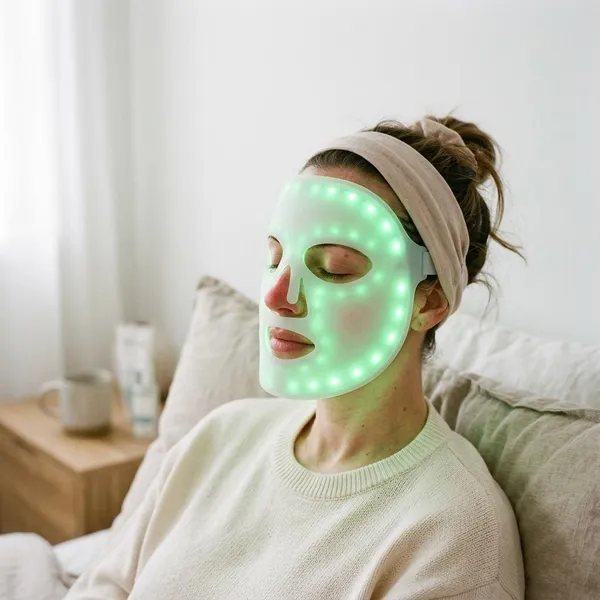
LED face masks are usually safe for eyes when the mask is well made, the light is not viewed directly, and the instructions are followed closely. The main things to check first are the light type, the required eye protection, the session time, and whether the mask fits without leaking bright light toward your eyes. If you have an eye condition, strong light sensitivity, recent eye surgery, or medication that makes you photosensitive, get medical advice before using one.
Are LED face masks safe for eyes?
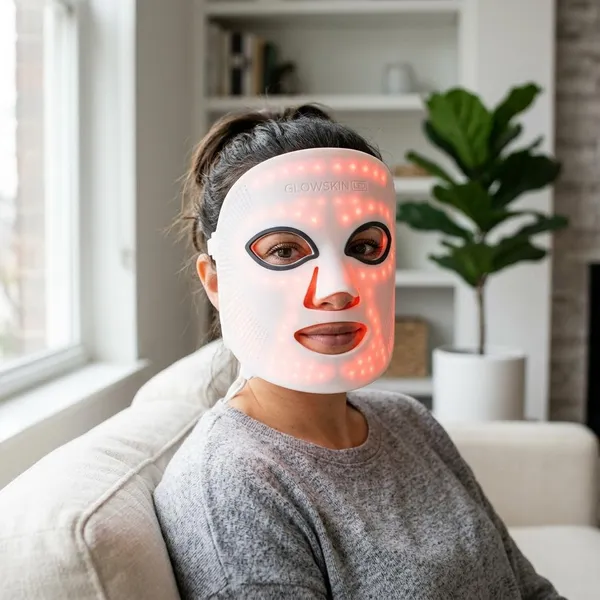
For most healthy users, a quality at-home LED mask can be safe around the eyes when used exactly as directed. The cautious part is important: eye safety changes with the wavelength, brightness, distance from the eyes, session length, and whether the device has shields or requires goggles.
Safety depends on wavelength and intensity
Red and near-infrared light are commonly used in cosmetic LED masks and are generally treated as lower risk than blue light when used correctly. Blue light deserves more caution because it can feel harsher at close range and may be more irritating if viewed directly.
| Light setting | Eye-safety takeaway |
|---|---|
| Red light | Often tolerated well, but still avoid direct staring and use any supplied shields. |
| Near-infrared | May be less visible, so do not assume "not bright" means no caution is needed. |
| Blue light | Use stricter protection, especially if the manual requires goggles or inserts. |
Intensity matters just as much as color. Two masks can both advertise red light, but the brighter one, the one sitting closer to your eyes, or the one with poor shielding may feel much more uncomfortable.
Exposure time also matters
More time is not automatically better. If the manual says to use the mask for a short session, doubling the time may only add glare, dryness, headaches, or temporary afterimages without improving your skincare results.
- First use: stay conservative and notice how your eyes feel afterward.
- Regular routine: follow the brand's session length and weekly frequency.
- After discomfort: pause use instead of shortening the break between sessions.
Eye protection depends on the device
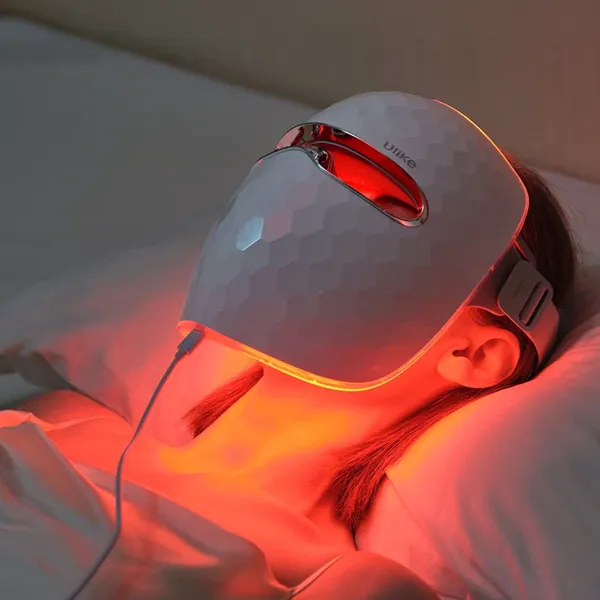
Some masks are designed with recessed eye areas, opaque inserts, or built-in shields. Others leave the eye area more exposed and rely on separate goggles or closed eyes. That is why advice from another user is not enough unless they have the same model and are using the same light mode.
For a low-risk scenario, a red-light mask with built-in shielding may be comfortable with closed eyes if the instructions allow it. For a higher-risk scenario, such as a blue-light mode or a bright panel held near the face, proper goggles are the safer choice.
Manufacturer instructions should come first
The device manual should override social media tips, reviews, and generic LED-mask advice. Look for clear directions on session length, eye protection, light modes, who should avoid use, and what symptoms mean you should stop.
Be cautious with any mask that gives strong beauty claims but vague safety instructions. If the brand does not clearly explain whether eye protection is required, that uncertainty is a reason to choose a different device.
Do you need eye protection with an LED mask?
You need eye protection if the device requires it, if the light feels uncomfortably bright, or if the mask has blue light or strong output near the eye area. If the manual allows use without goggles, built-in shields and closed eyes may be enough for some people, but that is not the same as saying every mask is safe without protection.
Think of eye protection as part of the setup, not as an optional accessory. It reduces direct brightness, makes the session easier to tolerate, and lowers the chance that you will squint, peek at the LEDs, or stop using the mask correctly.
Use built-in eye shields when provided
If the mask comes with shields, inserts, or dark eye cups, use them unless the manufacturer gives a clear reason not to. Removing them because they feel slightly awkward can change the way light reaches your eyes, especially when LEDs sit close to the orbital area.
Wear goggles when the device requires them
Goggles are not just for professional treatments. If your at-home mask says goggles are required, that instruction is likely based on the device's output, LED placement, or light mode.
They are especially sensible for people who already know bright light can trigger migraines, eye watering, or discomfort. In that case, even "optional" goggles may make the difference between a tolerable routine and a strained one.
Keep your eyes closed when instructed
Closed eyes can reduce glare, but they are not a replacement for required goggles. If the instructions say to close your eyes, do it for the full session and avoid checking your phone, looking at the timer, or peeking at the LEDs while the mask is on.
Make sure the mask fits correctly
A mask that slides, sits too high, or leaves gaps around the nose can send more light toward your eyes than intended. Before a full session, turn it on briefly, check for harsh light leaks, adjust the straps, and make sure you can sit or lie still without repositioning it.
What to look for in a safer LED face mask
A safer LED face mask makes the right behavior easy: the eye protection is obvious, the timing is specific, the light modes are clearly named, and the fit stays stable without constant adjusting. If you are choosing between two similar masks, pick the one that gives clearer safety information rather than the one with louder cosmetic claims.
For occasional use, comfort and clear instructions may be enough to guide your choice. For long-term use, sensitive eyes, blue-light modes, or a history of eye procedures, eye protection and detailed safety guidance should move to the top of your checklist.
Built-in eye protection
Built-in protection is useful because it is harder to forget and easier to use consistently. Look for recessed eye zones, opaque inserts, or shielding that blocks direct light without making the mask unstable or uncomfortable.
Clear wavelength specifications
A trustworthy product should state whether it uses red, near-infrared, blue, or combined light, and ideally give wavelength ranges in nanometers. If a mask only says "LED therapy" without naming the light type, you cannot easily judge how cautious to be around your eyes.
- Red or near-infrared listed clearly: easier to compare with other skincare masks.
- Blue mode included: check the eye-protection rule before buying.
- No wavelength details: treat that as a weak point, not a minor omission.
Clear treatment times
The manual should tell you how long each session lasts and how often to use the mask. Built-in timers are helpful because they remove the temptation to keep going for "just a few more minutes."
Adjustable and comfortable fit
Fit affects eye safety because poor alignment creates light leaks. Adjustable straps, a stable nose area, and a shape that sits evenly on your face all help keep the LEDs where they are meant to be.
This matters more if you plan to use the mask regularly. A slightly annoying fit during one session can become a reason to loosen the mask, lift it, or wear it incorrectly over time.
Detailed safety instructions
Good safety instructions should cover eye protection, timing, cleaning, contraindications, and what to do if you feel pain, blurred vision, lingering spots, or unusual sensitivity. Extra caution is sensible for people with retinal disease, recent eye surgery, severe dry eye, strong light-triggered migraines, or photosensitizing medication.
Conclusion
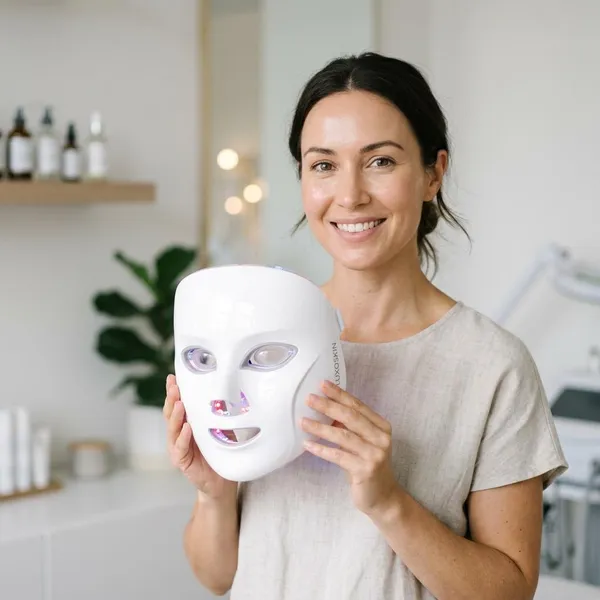
A well-designed LED mask can be a reasonable at-home skincare tool, but eye safety should not be guessed. Choose a device with clear light settings, use the shields or goggles the brand requires, keep sessions within the stated time, and skip any mask that leaves you unsure about how your eyes are protected.
FAQS
Should you close your eyes when using an LED face mask?
Yes, if the manufacturer tells you to. Even when goggles are not required, closed eyes can make bright sessions more comfortable, but they should not replace required protective eyewear.
Can blue LED light affect your eyes?
Yes. Blue LED light can be more uncomfortable at close range, so avoid looking at it directly and use the protection specified for that mode.
Is near-infrared light safe around the eyes?
It can be safe in consumer masks used as directed, but it still deserves care because it may not look as bright as it is. Follow the time limit and shielding instructions rather than judging by visibility alone.
Can you use an LED mask without goggles?
Only if the device is designed for that and the manual allows it. If goggles are listed as required, do not substitute closed eyes or squinting.
Does FDA clearance guarantee eye safety?
No. FDA clearance can be reassuring for the intended use, but it does not protect you from poor fit, overuse, skipped goggles, or using the wrong light mode for your situation.