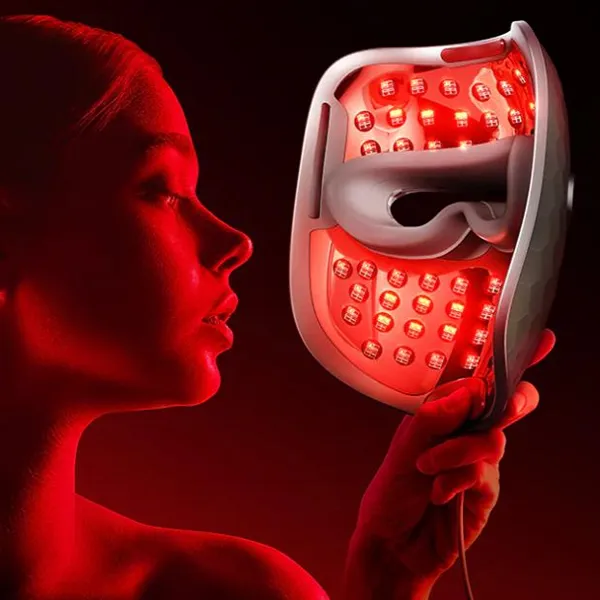
Can Green LED Masks Calm Redness and Even Skin Tone?
Green LED face mask benefits are most relevant if your main skin concern is color: uneven tone, mild redness, dullness, or faint dark spots. It is not usually the first choice for active acne, deep wrinkles, or stubborn pigmentation, but it may be a gentle support step when you want your complexion to look calmer and more balanced over time.
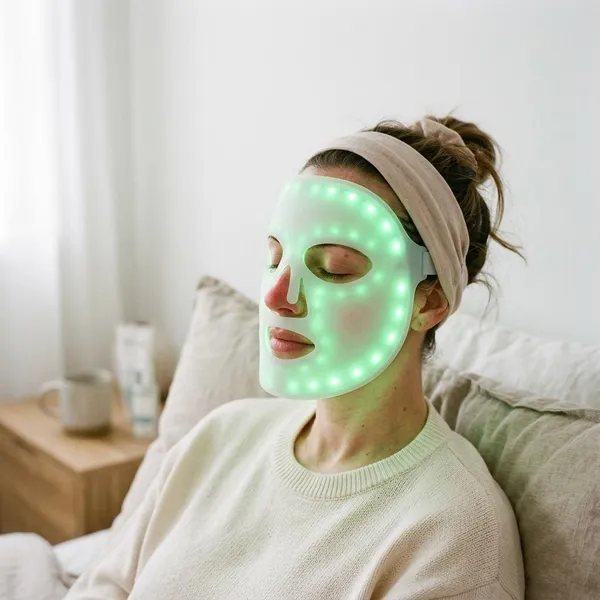
What are the benefits of a green LED face mask?
A green LED face mask is mainly used for cosmetic tone concerns rather than fast skin correction. Think of it as a slow, low-effort add-on: useful for some people, but not a replacement for sunscreen, pigment treatments, or medical care when redness or discoloration is persistent.
The best fit is usually someone whose skin feels fairly smooth but still looks patchy, pink, shadowed, or tired in normal daylight. If your main issue is texture, clogged pores, or deeper lines, another LED color or a different skincare approach may make more sense.
May support a more even-looking skin tone
One of the most common reasons to use green light is a complexion that looks uneven from area to area. For example, your cheeks may look slightly pink while the forehead or jaw looks darker, even though the skin surface feels normal.
The result to expect is subtle balancing, not a filtered-skin effect. If you are judging whether it is working, look for small changes such as less obvious blotchiness in the same lighting, not a dramatic overnight transformation.
May help reduce the look of dark spots
Green LED light may help soften the appearance of mild dark spots, especially when the marks are relatively new or surface-level. It is most realistic for faint post-breakout marks or light sun-related discoloration.
It is less likely to be enough on its own for deeper, long-standing, or hormonally driven pigmentation. If a dark patch has been there for years, keeps spreading, or returns quickly after sun exposure, a home mask should be treated as support, not the main solution.
May calm visible redness
Green light is often chosen by people whose skin looks mildly flushed or reactive. This can be useful after a period of over-exfoliating, weather exposure, or a routine that left the face looking more pink than usual.
- Suitable: mild, temporary-looking redness without pain.
- Use caution: burning, swelling, heat, or worsening sensitivity.
- Get advice: redness that is persistent, severe, or linked to a skin condition.
May improve dull-looking skin
Dullness is not always about dryness. Sometimes skin looks flat because uneven color, faint marks, and mild redness make the face look tired even after cleansing and moisturizing.
In that situation, green LED light may help the skin look a little clearer over several weeks. If dullness comes from flaky buildup or a very dry barrier, however, hydration and a gentler routine should come first.
What skin concerns is green LED light used for?
Green LED light is usually used when the concern is visual tone rather than texture. A simple way to decide is to ask: "Am I trying to make the skin look more even in color, or am I trying to change bumps, pores, wrinkles, or breakouts?" Green is more relevant for the first group.
Uneven skin tone
Uneven tone can show up as small color differences across the face rather than one obvious mark. Someone with smooth skin but patchy-looking cheeks, a darker upper lip area, or lingering color after old blemishes may be a better match for green light than someone mainly dealing with active breakouts.
Dark spots and discoloration
For dark spots, the first thing to check is whether they are mild and stable. A few faint marks after pimples or summer sun exposure may be reasonable to support with green LED, daily sunscreen, and a simple brightening routine.
Stubborn discoloration needs more caution. If the spots are getting darker, have irregular borders, or do not behave like ordinary post-acne or sun marks, do not rely on an LED mask to identify or treat them.
Mild visible redness
Mild redness is a common reason people try green light because even a small amount of flushing can make the whole face look uneven. This is especially true for someone who looks fine indoors but gets pink cheeks after wind, heat, workouts, or strong skincare actives.
Dull-looking skin
Green light may be worth considering when dullness looks like a color problem: sallow areas, faint marks, or general patchiness. If the skin feels tight, rough, or flaky, fix the barrier first with gentle cleansing, moisturizer, and fewer irritating products.
How to get better results from green LED light
The biggest priority is consistency without overdoing it. More sessions are not automatically better, and changing the timing every few days makes it harder to know whether the mask is working.
Use the device instructions as the rule, especially for session length, weekly frequency, distance from the skin, and eye protection. If your skin is sensitive, start at the lower end of the recommended routine and build only if your skin stays comfortable.
Start with clean dry skin
Clean, dry skin gives you the most predictable session. Remove makeup, sunscreen, and heavy skincare first so the mask sits properly and you are not mixing the LED step with products that may irritate your face.
Follow the recommended treatment routine
The most useful routine is the one you can repeat for several weeks. For occasional use before an event, green light may make the routine feel calming, but it is unlikely to change dark spots or tone in a meaningful way. For long-term tone support, steady use matters more than one intense session.
- Use the timing recommended by the device brand.
- Keep the weekly schedule consistent.
- Stop or reduce use if your skin feels irritated.
- Avoid adding strong acids or retinoids at the same time if your skin is reactive.
Wear sunscreen consistently
Sunscreen is the step that protects the effort you put into tone correction. If you use green LED for dark spots but skip SPF during daily errands, outdoor lunches, or summer weekends, the same marks may stay visible or new discoloration may appear.
Track changes over several weeks
Take one photo each week in the same place, at the same time of day, with the same lighting. Tone changes are easy to miss when you check the mirror every morning, and bathroom lighting can make redness or shadows look worse than they are.
After several weeks of steady use, look for practical signs: a mark that needs less concealer, cheeks that look less blotchy, or skin that appears more even in daylight. If nothing changes after consistent use, that is useful information too; your concern may need a different approach.

Conclusion
A green LED mask is most worth considering when your skin concern is mild, color-related, and something you are willing to work on gradually. Start with sunscreen, keep the routine simple, follow the device instructions, and judge progress with photos rather than daily guesswork; if redness or pigmentation is strong, changing, painful, or stubborn, it is better to get proper skin advice instead of expecting a mask to do everything.
FAQS
Does green LED light help with hyperpigmentation?
It may help mild-looking hyperpigmentation appear softer over time. It is not the strongest option for deep, stubborn, or spreading pigmentation, so sunscreen and realistic expectations matter.
Can green LED light reduce redness?
It may reduce the look of mild redness, especially when the skin appears temporarily flushed or blotchy. Redness that burns, worsens, or does not settle should be checked by a professional.
Is green or red LED light better for skin?
Green is usually chosen for uneven tone, discoloration, and mild redness. Red is more commonly used for firmness, recovery, and visible signs of aging, so the better choice depends on your main concern.
Can you use green and red LED light together?
Yes, if your device is designed for both and the instructions allow it. Start slowly if your skin is sensitive, because irritation from overuse can make tone concerns look worse.
Is green LED light safe for sensitive skin?
Green LED light is generally considered gentle when used correctly. Sensitive skin still does best with shorter, consistent sessions, eye protection when required, and a very simple routine around the treatment.