Is a Red Light Mask Safe for Rosacea-Prone Skin?
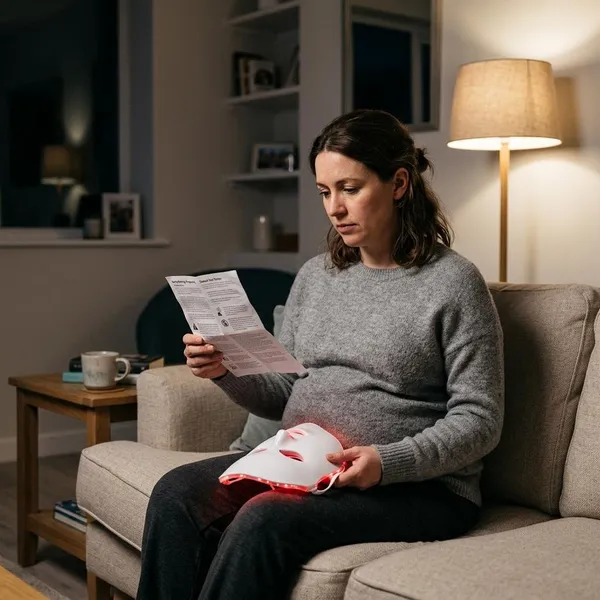
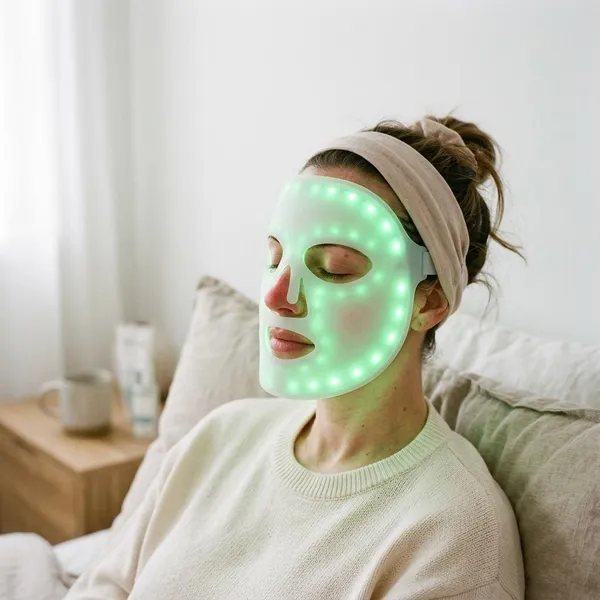
A red light therapy mask for rosacea may help if your main issue is diffuse redness, flushing, or skin that feels easily irritated, but it is not a cure and it will not usually erase visible blood vessels. Think of it as a low-intensity support step: useful for some redness-prone skin, safest when introduced slowly, and best judged over several weeks rather than after one or two sessions.
How red light therapy may affect rosacea-prone skin
Rosacea-prone skin often reacts badly to heat, friction, strong exfoliation, and too many new products at once. Red LED therapy is different because it uses low-level light rather than peeling or resurfacing the skin, so the goal is usually calmer-looking skin, not a dramatic overnight change.
Red light supports a calmer skin response
Red light may support a calmer skin response by helping reduce the look of irritation and background redness over time. For someone who flushes after heat, stress, exercise, or a glass of wine, the realistic hope is not "no more rosacea," but fewer days where the skin looks constantly angry.
Near-infrared light reaches deeper into the skin
Near-infrared light is often included because it reaches deeper than visible red light. That may be helpful when your skin does not just look red but also feels tender or slow to calm down after a trigger.
Gentle light therapy may support skin recovery
Gentle LED sessions may support the skin's recovery process, especially when your barrier feels fragile. A good use case is someone whose skin stings after cleansing or feels tight in winter; a mask may fit better into that routine than another strong serum or exfoliating product.
Benefits depend on wavelength and regular use
The mask matters. Look for clear wavelength information, simple timing controls, and a fit that does not press hard on the cheeks or nose. Red light around the commonly used red LED range and optional near-infrared or yellow modes can be relevant, but exact claims should come from the device maker rather than guesswork.
- Check first: wavelengths, session length, and whether the mask creates noticeable heat.
- Good sign: your skin feels normal or calmer the next day.
- Warning sign: redness, burning, or flushing lasts longer after sessions.
What results can you expect from a red light mask?
The most realistic results are gradual: softer background redness, less stinging, and quicker recovery after mild irritation. A home mask is not the same as laser or IPL treatment, so it should not be judged by the same standard.
If you want help with daily redness and sensitivity, an LED mask may be worth considering. If your main concern is obvious thread veins across the cheeks or nose, professional treatment is usually the more targeted route.
Redness may gradually look less noticeable
Mild background redness may start to look less obvious after steady use, often over several weeks rather than days. A practical way to judge this is to take photos in the same lighting once a week, because rosacea can look very different under bathroom lights, daylight, and phone flash.
Do not judge the mask during a random flare caused by heat, alcohol, spicy food, or weather. Compare your normal baseline instead.
Skin may feel calmer over time
Some people notice comfort before they notice a visible change. Less tightness after washing, less warmth in the cheeks, or fewer "my skin is irritated for no reason" days can be meaningful progress with rosacea-prone skin.
Results usually require consistent use
Home LED therapy tends to work through repeated gentle sessions. Random use once every few weeks is unlikely to tell you much.
| Situation | How to judge the mask |
|---|---|
| Occasional flushing after triggers | Track whether redness settles faster after exercise, heat, or stress. |
| Daily background redness | Compare weekly photos in the same lighting for at least a few weeks. |
| Very reactive or recently flared skin | Start below the suggested maximum and stop if irritation lingers. |
Visible blood vessels may need professional treatment
Visible blood vessels and broken capillaries usually need more targeted treatment than a home LED mask can provide. A mask may make the surrounding redness look calmer, but it is unlikely to remove those vessels in the way vascular laser or IPL treatments are designed to do.
How to use a red light therapy mask with rosacea
The safest approach is to make the routine boring on purpose: clean skin, short sessions at first, no extra active products underneath, and no attempt to "catch up" with longer use. Rosacea usually does better with consistency than intensity.
Start with clean dry skin
Use the mask on clean, fully dry skin so sunscreen, makeup, oils, or active ingredients are not sitting between the light and your face. A mild cleanser is enough; scrubs, cleansing brushes, and acid toners before a session add unnecessary risk for reactive skin.
Begin with shorter or less frequent sessions
If the device offers a range of session lengths or weekly frequency, begin at the low end. For a low-risk scenario, such as stable mild redness, you might increase gradually if your skin feels normal the next day. For a higher-risk scenario, such as recent flare-ups, burning, or new rosacea medication, keep sessions shorter and less frequent until you know your skin can tolerate them.
Follow the device treatment schedule
More time under the mask does not automatically mean better results. Follow the device schedule, use the mode intended for sensitive or redness-prone skin when available, and avoid stacking multiple modes in one sitting unless the instructions clearly allow it.
Keep the rest of your skincare gentle
Keep your routine stable while you test the mask. A cleanser, moisturizer, and sunscreen are easier to evaluate than a routine where you add a mask, retinoid, vitamin C, exfoliant, and new moisturizer in the same week.
- Keep: barrier-friendly moisturizer and daily sunscreen.
- Pause or separate: strong acids, scrubs, and harsh active products.
- Watch closely: prescription creams that already make your skin dry or sensitive.
Stop if redness or irritation gets worse
Stop using the mask if redness, burning, swelling, or heat clearly increases and does not settle soon after treatment. The cause may be session length, pressure from the mask, heat buildup, products used beforehand, or the light setting itself.
If your rosacea is moderate to severe, affects your eyes, or is being treated with prescription medication, it is worth checking with a dermatologist before continuing after a bad reaction.
Is Ulike ReGlow a good option for redness-prone skin?
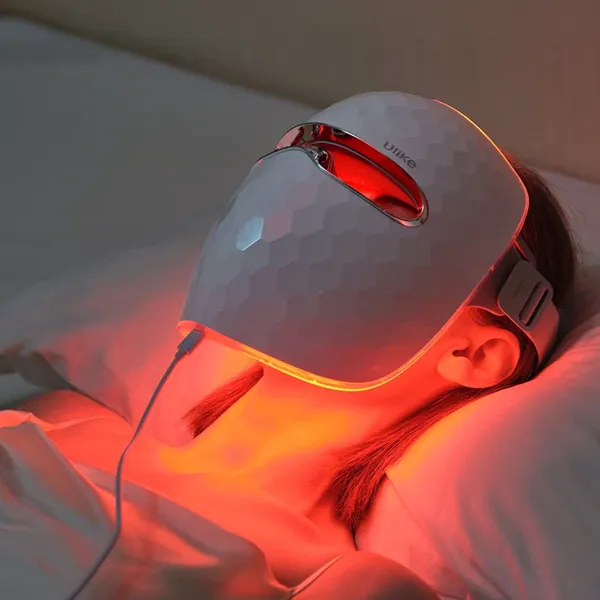
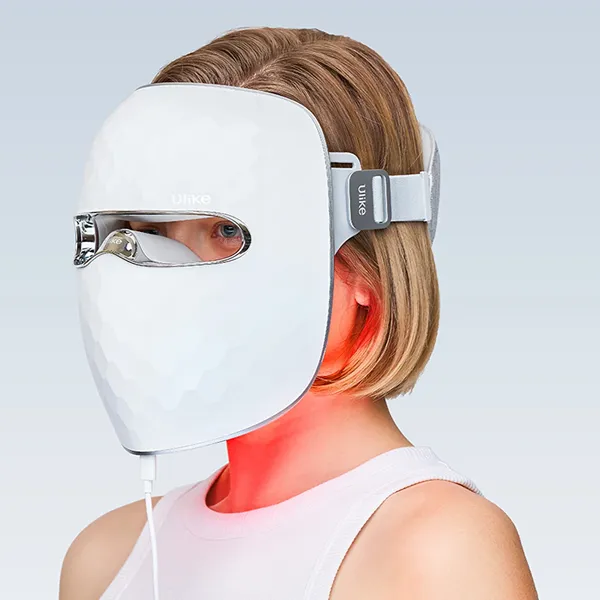
Ulike ReGlow may be worth considering if you want a mask with more than one light mode, especially if your skin changes between looking red, feeling irritated, and needing general recovery support. The useful question is not whether it has the most features, but whether its modes, fit, schedule, and comfort match sensitive skin.
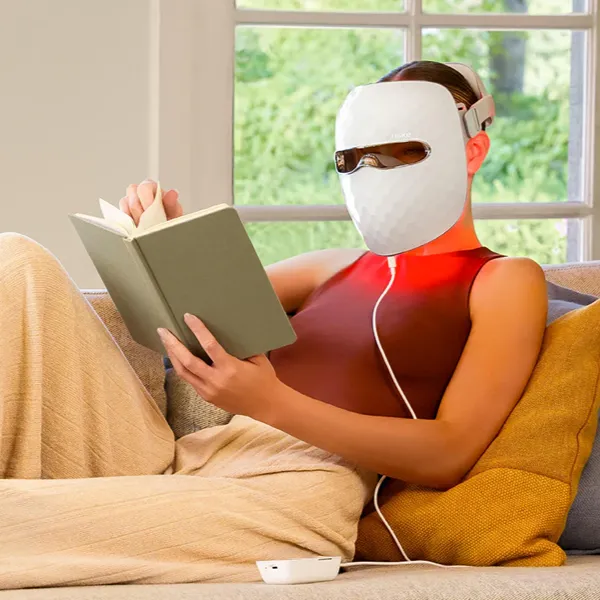
Red light supports skin renewal
The red light mode is usually the most obvious starting point for redness-prone skin because it is linked with skin renewal and a calmer-looking complexion. For rosacea, renewal should mean steady barrier support, not peeling, tingling, or forcing fast change.
Near-infrared adds deeper light treatment
Near-infrared can add a deeper layer of support when skin feels slow to settle after irritation. This may suit someone who wants a long-term maintenance tool rather than a quick fix before an event.
Check how the device combines red and near-infrared modes, how long each session lasts, and whether the mask feels warm during use. Comfort matters more for rosacea than a feature list that looks impressive on paper.
Yellow light offers a redness-focused mode
Yellow light is often positioned as a soothing, redness-focused option. It may be useful on days when your skin looks blotchy or feels reactive, although results can vary and should not be treated as guaranteed.
Multiple modes make the mask more flexible
Multiple modes can be helpful if your skin is not the same every week. Someone with summer flushing may care most about visible redness and heat-triggered sensitivity, while someone using the mask year-round may value a gentler maintenance option during colder, drier months.
Conclusion
A red light mask can be a sensible support tool for rosacea-prone skin when your goal is calmer, less reactive skin over time, not a cure or a fast fix for broken capillaries. Start slowly, keep your skincare simple, and judge the mask by how your skin behaves between sessions; if it keeps making redness or burning worse, that is useful information too, and it is a sign to stop rather than push through.
FAQS
How often should you use red light therapy for rosacea?
Follow the device instructions, but start below the maximum if your skin is sensitive. If your face feels hotter or redder the next day, reduce frequency or pause.
Can red light therapy make rosacea worse?
Yes, it can irritate some people, especially during an active flare or when sessions are too long. Lingering burning, swelling, or stronger flushing means the routine is not working for your skin.
Is red or yellow LED light better for redness?
Red light is commonly used for skin recovery and inflammation support, while yellow light is often chosen for visible redness and soothing. If your mask has both, test one mode at a time so you know what your skin actually tolerates.
Can you use an LED mask with rosacea medication?
Often yes, but be cautious if your medication makes your skin dry, peeling, or extra sensitive. Use the mask on clean skin and ask your dermatologist if you are unsure about timing or photosensitivity.
How long does red light therapy take to show results?
Expect several weeks of regular use before judging visible redness. Skin comfort may change sooner, but fixed blood vessels are unlikely to disappear from an at-home LED mask.