Is a Red Light Mask Safe During Pregnancy?
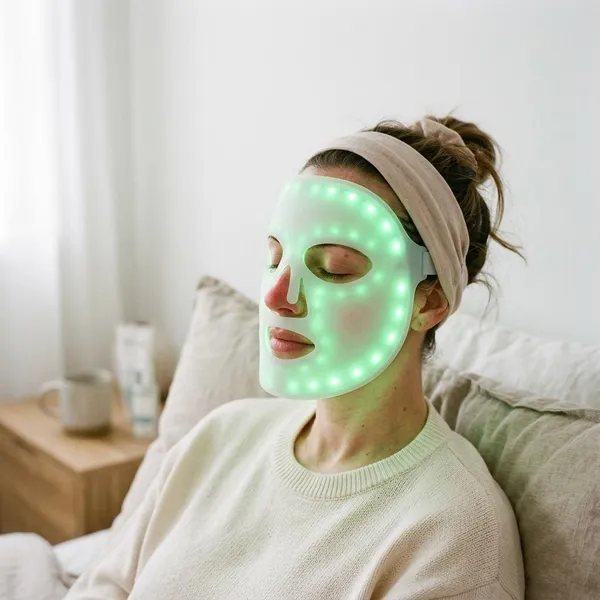
If you are thinking about using a red light therapy mask while pregnant, the safest practical answer is to treat it as optional and pause unless your device manual and doctor are both comfortable with it. Facial red light is different from UV light, but pregnancy-specific research is limited, and your skin may react differently than it did before pregnancy.
Why pregnancy calls for extra caution
Pregnancy can change how your skin behaves from week to week. A mask that once felt calming may suddenly feel warm, irritating, or too intense, especially if you are also dealing with acne, dryness, or pigmentation changes.
The main issue is not that red light is the same as sunlight or a laser treatment. It is that home LED masks are cosmetic devices, and pregnancy is a time when optional treatments need a higher standard of caution.
Skin may become more sensitive
Hormonal changes can make your skin barrier less predictable. If your usual cleanser, moisturizer, or sunscreen now stings, that is a sign to be careful with any extra device treatment, even one that felt gentle before.
Redness and irritation may increase
More facial flushing during pregnancy is common, and an LED mask can make that harder to read. If your face stays red, hot, itchy, or tight after a session, stop rather than trying to shorten the next session and push through.
Pigmentation can change during pregnancy
Melasma and dark patches can become more noticeable during pregnancy. Red light is not UV light, but irritation and warmth can still be unhelpful for pigment-prone skin.
If your main concern is pregnancy melasma, daily mineral sunscreen, shade, and a calm skincare routine usually deserve more attention than an LED device. This is especially true in summer or if you spend a lot of time outdoors, when pigmentation is already easier to trigger.
Some medications can increase light sensitivity
Some prescriptions and topical treatments can make skin more reactive to light or irritation. This can include certain acne treatments, antibiotics, or medicated creams, depending on what you use.
- Check labels first: look for warnings about light sensitivity or irritation.
- Ask a pharmacist: they can quickly tell you whether a medication is photosensitizing.
- Do not guess with new prescriptions: pregnancy is not the best time to test how your skin reacts.
When to avoid an LED face mask
There are situations where avoiding the mask is the cleaner decision. This does not mean every facial LED mask is automatically dangerous in pregnancy; it means the possible benefit is cosmetic, while the uncertainty or irritation risk may not be worth it.
When pregnancy is listed as a contraindication
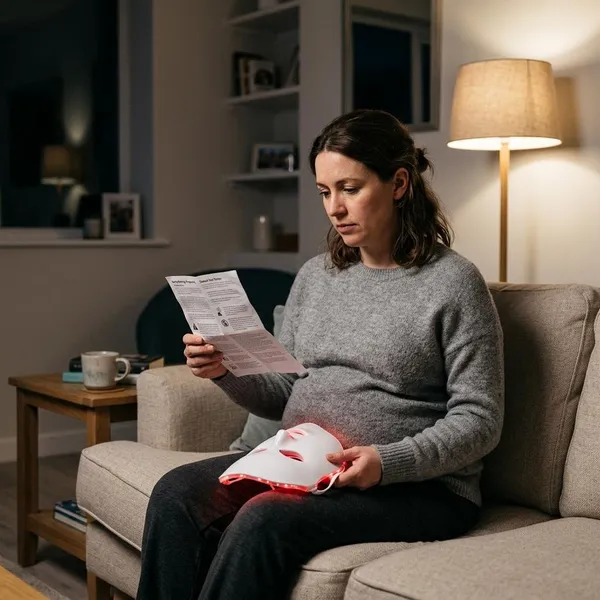
If the manual says not to use the mask during pregnancy, follow that warning unless your doctor specifically reviews the device and tells you otherwise. A contraindication often means the product has not been tested enough for pregnancy, not necessarily that harm has been proven.
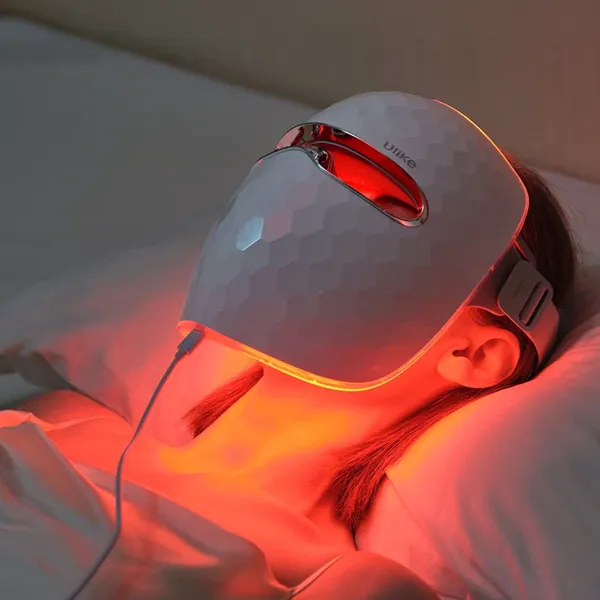
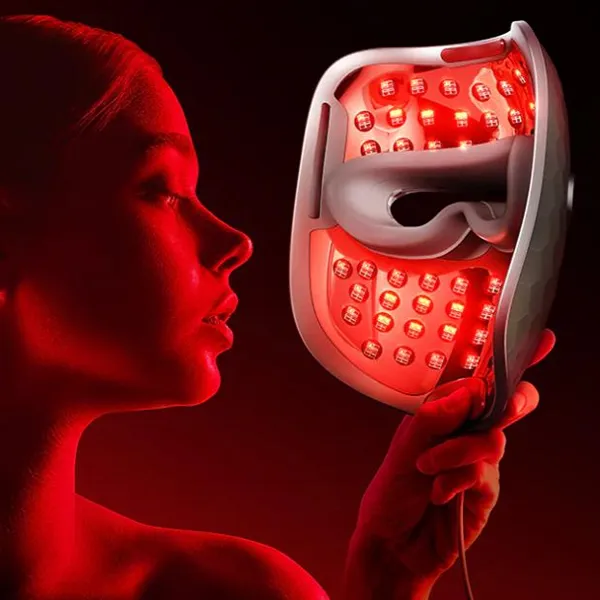
This matters because masks differ. Some are red-only, while others include near-infrared, blue light, heat, vibration, or stronger settings. Generic online reassurance is less useful than the instructions for the exact device on your bathroom shelf.
When your skin is irritated or unusually sensitive
Skip the mask if your skin is peeling, burning, stinging, itchy, or flushing more than usual. In that state, adding another stimulus can make it harder to know whether the problem is hormones, skincare, medication, or the device.
When you take photosensitizing medication
Medication-related sensitivity is a clear reason to pause until a clinician or pharmacist weighs in. Even if the medication is pregnancy-appropriate, your skin may still be more likely to react to light-based devices.
When your doctor advises against it
If your OB/GYN, midwife, dermatologist, or another clinician tells you to avoid the mask, that advice should outweigh general skincare claims. They may be factoring in your pregnancy history, skin condition, migraines triggered by light, medication use, or other details that broad advice cannot cover.
What to do if you are unsure
When you are unsure, start with the lowest-effort decision: pause the mask while you check the details. You are not giving up an essential treatment; you are removing one variable during a time when skin and comfort can change quickly.
A useful priority order is: check the manual, check your skin, check your medications, then ask about the exact device if you still want to use it.
Pause LED treatments for now
Pausing is a reasonable choice if you are in the first trimester, newly sensitive, dealing with melasma, or simply uncomfortable with the uncertainty. Waiting is often easier than analyzing every patch of redness afterward.
For occasional users, stopping for pregnancy usually has little downside. For daily or long-term users, a temporary break can also help you see whether your skin is stable without the device.
Check your device manual
Look for four things in the manual or product page:
- Pregnancy warnings: any contraindication should be treated seriously.
- Light types: red-only is not the same as red plus near-infrared or blue light.
- Session length: longer use does not mean better results.
- Approved treatment area: a face mask should not be used on the abdomen, pelvis, or lower back.
Ask your doctor about your specific device
Bring the product name, manual, wavelength information if available, and the recommended session time. A specific question usually gets a better answer than asking whether "red light therapy" is safe in general.
If your concern is mainly acne, redness, or pigmentation, a dermatologist may also suggest pregnancy-appropriate alternatives that are easier to judge than a home LED device.
Keep your pregnancy skincare routine simple
A simple routine is often the most sensible default: gentle cleanser, bland moisturizer, and daily sunscreen. If acne or pigmentation is bothering you, ask for pregnancy-appropriate options instead of stacking devices and active products at the same time.
Conclusion
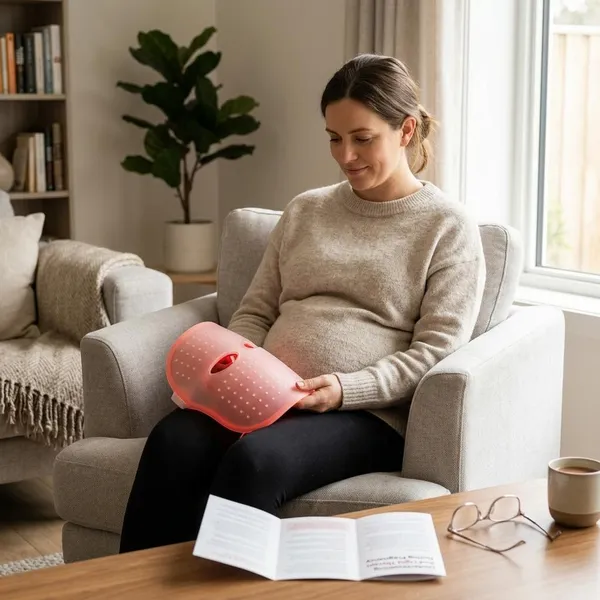
A red light therapy mask while pregnant may seem low-risk when used only on the face, but limited pregnancy-specific evidence makes caution the smarter default. If the manual warns against pregnancy, your skin is reactive, you use photosensitizing medication, or your doctor is not comfortable with it, waiting is the cleaner choice; if you still want to continue, make the decision with your exact device details in hand.
FAQS
Is red light different from UV light?
Yes. Red light is not UV light and does not tan or sunburn the skin like ultraviolet exposure, but that does not prove every LED mask is appropriate during pregnancy.
Is infrared light therapy safe during pregnancy?
It is less clear. Near-infrared settings may be included in some masks, so check whether your device uses infrared and ask your doctor before continuing.
Can red light therapy affect pregnancy melasma?
It might, especially if the mask causes warmth, redness, or irritation. If dark patches are active, prioritize sunscreen and avoid anything that makes your skin feel inflamed.
When can you restart an LED face mask after pregnancy?
Many people wait until after delivery and until their skin feels stable again. If you are breastfeeding, using medication, or still dealing with melasma, ask your doctor first and restart cautiously.