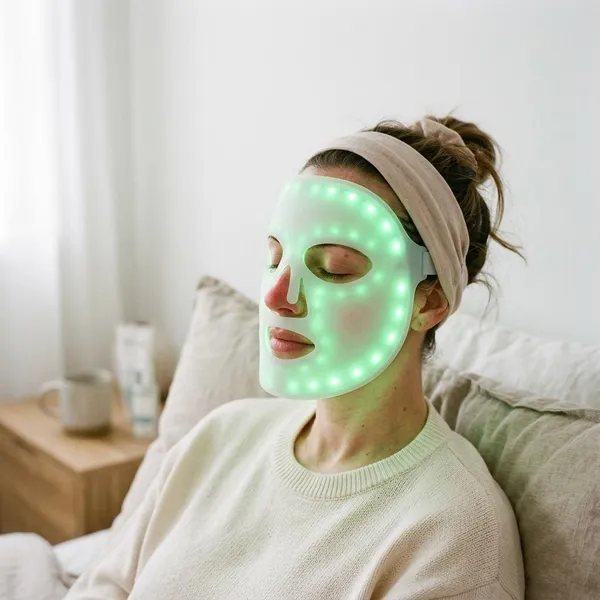
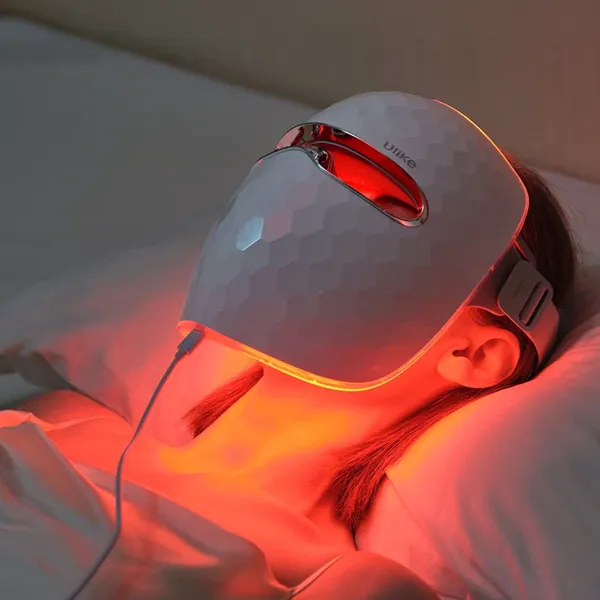
What Should You Know About Korean Red Light Masks?
If you are comparing a korean red light therapy mask, start with the skin concern you actually want to improve: fine lines, mild breakouts, redness, or dullness. The right mask is less about how many colors it has and more about whether the wavelengths, fit, safety guidance, and weekly routine make sense for your skin.
What can Korean LED face masks help with?
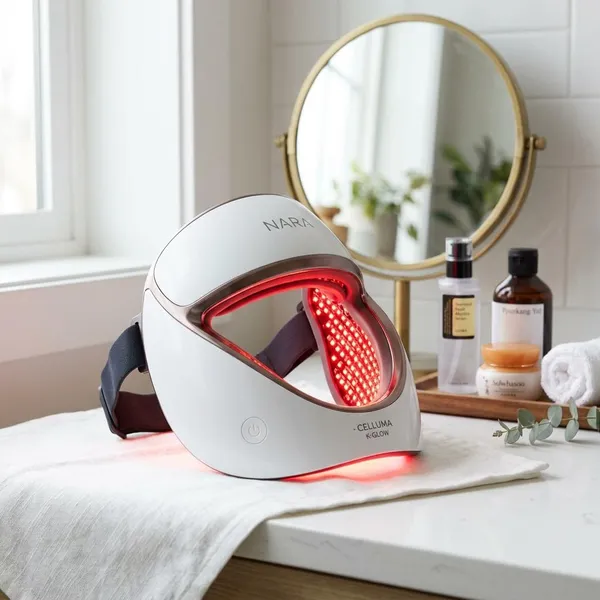
Korean LED face masks are usually bought for gradual skin support rather than instant transformation. Red and near-infrared are the main options for smoother-looking, more resilient skin; blue is more relevant for acne-prone skin; yellow is usually a secondary mode for redness or a tired-looking tone.
Red light for fine lines and skin renewal
Red light is the mode most people look for when they want support for fine lines, texture, and a fresher-looking complexion. Many home devices use red light in the 630nm range, but the exact number should be shown by the brand rather than guessed from the product name. Red light is a long-game feature: useful if you can repeat short sessions for weeks, not a quick fix before an event.
Near-infrared for deeper skin support
Near-infrared is often paired with red light in masks aimed at skin firmness and recovery-looking benefits. It is commonly discussed around the 830nm range, but the useful habit as a buyer is simple: check whether near-infrared is actually listed, because not every "red light" mask includes it.
This matters most if your priority is aging support rather than general glow. For example, a buyer in their late 20s who wants mild texture support may be fine with a straightforward red-light device, while someone investing in a longer-term anti-aging routine may prefer red plus near-infrared if the specs and safety information are clear.
Blue light for acne-prone skin
Blue light is mainly used for mild acne-prone skin because it is associated with targeting acne-related bacteria near the skin's surface. It makes the most sense for recurring small breakouts, not painful cystic acne or a sudden severe flare that needs professional advice. If you already use strong acne products, be careful not to turn the whole routine into an irritation cycle.
Yellow light for redness and dullness
Yellow light is usually marketed for visible redness, dullness, and a calmer-looking complexion. It can be a useful extra if your skin often looks reactive after breakouts or seasonal weather changes, but it should not replace sunscreen, barrier care, or proven brightening ingredients when pigmentation is the main concern.
How to choose a Korean red light therapy mask
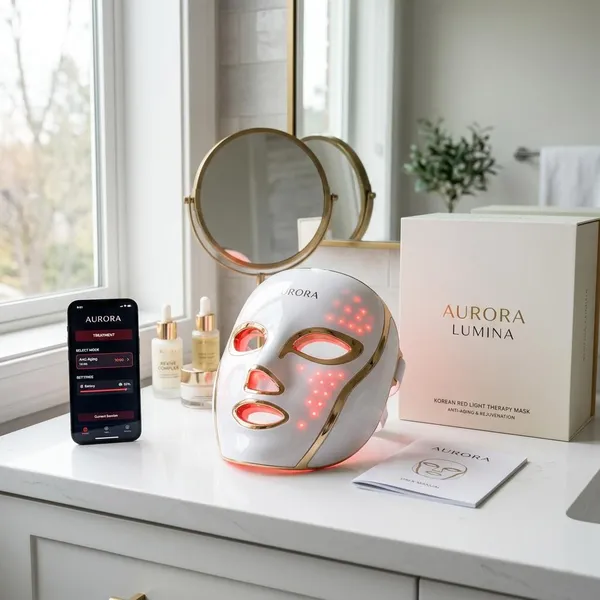
Choose the mask by checking the few details that actually affect use: wavelength information, coverage, comfort, session length, and safety guidance. A beautiful product page is not enough if the brand does not explain what the lights are, how often to use them, or who should be cautious.
Match the wavelengths to your skin concern
Start with your main concern, then treat extra colors as bonuses. A mask with every mode is not automatically better if only one or two modes match what your skin needs.
- Fine lines and texture: prioritize red light, with near-infrared as a stronger long-term option.
- Mild recurring acne: look for a blue light mode and keep the rest of the routine gentle.
- Redness or dullness: yellow can be useful, especially as a support mode rather than the main reason to buy.
- Mixed concerns: a multi-mode mask may be worth it if switching modes will not make your routine confusing.
Check the actual wavelength specifications
Do not rely on vague phrases such as "advanced beauty light" or "professional glow technology." Look for nanometer details on the product page or manual. Common reference points are around 630nm for red light and around 830nm for near-infrared, though exact designs vary by device.
Compare fit and full-face coverage
Fit is not a small comfort detail; it affects whether you will use the mask regularly. Check the forehead, cheek, chin, nose, and eye area coverage, especially if the mask is rigid. Flexible silicone masks can feel easier for short sessions, while rigid masks may feel more stable for some users, so the better choice is the one you can wear without adjusting it every minute.
Review treatment time and frequency
Most at-home LED masks are designed for short sessions, often around 10 to 15 minutes, several times a week, but the brand's instructions should decide the final schedule. Be honest about your habits: a busy buyer who can manage three calm evening sessions may get more value from a simple routine than from a feature-heavy mask that feels like another chore.
Check safety claims and certifications
Safety information should be specific enough that you know how to use the device without guessing. Marketing words like "spa-grade" matter less than clear instructions, eye guidance, charging details, skin warnings, and any certifications the brand provides.
- Eye area: check whether goggles, shields, or built-in protection are recommended.
- Skin sensitivity: look for warnings about photosensitivity, medication, or irritated skin.
- Device safety: check timer, auto shut-off, charging instructions, and material notes.
- Medical uncertainty: ask a clinician first if you have a condition, use photosensitizing medication, or are unsure whether LED is suitable for you.
Choose a routine you can use consistently
The best device is the one you will actually keep using after the first week. Before buying, picture where it fits: after cleansing at night, during a quiet morning coffee, or on specific evenings when you do not use exfoliating acids or retinoids.
For occasional self-care, a basic red-light mask may be enough. For a longer-term skincare routine with changing concerns, a multi-mode mask can make sense, but only if the controls are simple and the weekly schedule does not feel like maintenance for a gadget.
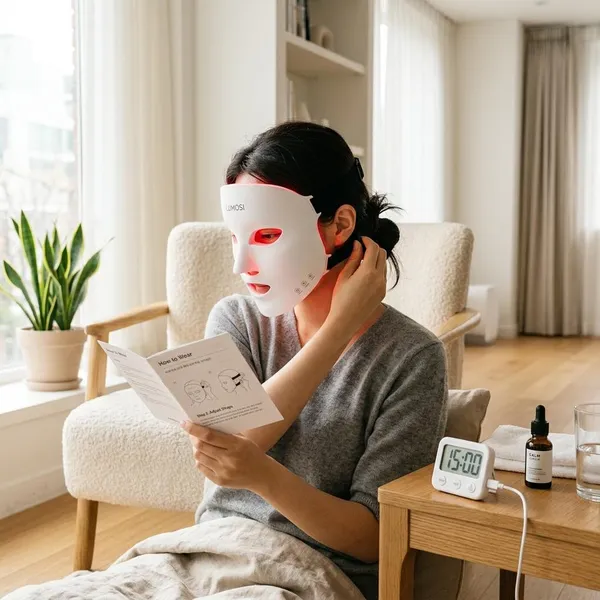
How to use an LED face mask safely
Safe use is mostly about restraint: clean skin, the right mode, the suggested time, and enough patience to let gradual results build. More minutes, more modes, or more frequent sessions do not automatically mean better skin.
Start with clean dry skin
Use the mask after cleansing and drying your face fully. Makeup, sunscreen, oil, and heavy creams can leave residue on both your skin and the device, which is especially unhelpful if you are using blue light for acne-prone areas.
Follow the recommended treatment mode
Pick the mode that matches the problem you are treating that day instead of cycling through every color because the mask offers it.
- Red or red plus near-infrared: better suited to fine lines, texture, and general renewal support.
- Blue: more relevant for active mild breakouts or blemish-prone zones.
- Yellow: a gentler support option when redness or dullness is the main issue.
Keep sessions within the suggested time
Stay within the device's recommended session length, especially when your skin is sensitive or you are new to LED. If the mask has an automatic timer, use it instead of adding "just a few more minutes." Overdoing a low-risk treatment is one of the easiest ways to make it harder to tolerate.
Use the mask consistently
A few random sessions will not tell you much. Give the routine several weeks, using the schedule recommended by the manufacturer, before judging whether your skin looks calmer, smoother, or less breakout-prone.
Consistency is easier when the mask attaches to a habit you already have. For example, someone who cleanses every night can place the mask near their moisturizer and use it before the rest of the routine; someone who is rushed at night may do better with a short morning session on non-busy days.
Stop if your skin reacts badly
Pause the mask if you notice unusual irritation, stinging, persistent warmth, worsening sensitivity, or a flare that feels different from your normal skin pattern. Simplify your skincare for a few days, avoid stacking harsh actives around LED sessions, and get professional advice if the reaction continues or if you have a medical reason to be cautious.
Conclusion
A Korean LED mask is worth considering when the wavelength specs are clear, the fit is comfortable, and the routine feels realistic enough to repeat. Prioritize red and near-infrared for aging support, blue for mild acne-prone skin, and yellow only if redness or dullness is part of your concern; skip any device that makes big promises but gives you little practical information.
FAQS
Do Korean red light therapy masks really work?
They can help, but expect gradual changes rather than a dramatic before-and-after in a few days. The best chance of seeing a visible difference comes from clear wavelength specs, regular use, and a routine that does not irritate your skin.
Can one LED mask help with both acne and fine lines?
Yes, if it includes the right modes for both concerns. Look for red or near-infrared for fine lines and a separate blue mode for mild acne-prone skin.
How often should you use a Korean LED face mask?
Follow the schedule for your specific device, since output and treatment design vary. Many home masks are used several times a week for short sessions, and staying consistent is usually smarter than extending the time on your own.