How to Use IPL Hair Removal Device Safely at Home
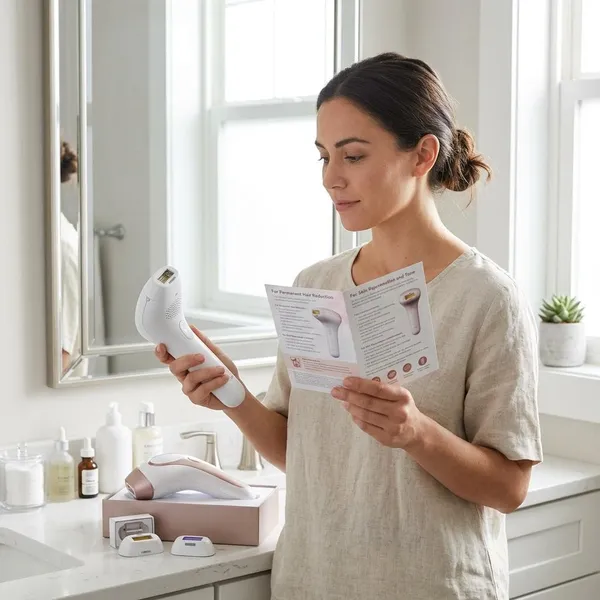
Using an IPL hair removal device at home is mostly about doing the boring steps well: shave first, use it on clean dry skin, choose a sensible setting, and cover the area without double-flashing the same spot. Start cautiously if you are new, especially on underarms or the bikini line, because the best routine is the one your skin can tolerate consistently.
How to prepare your skin for IPL
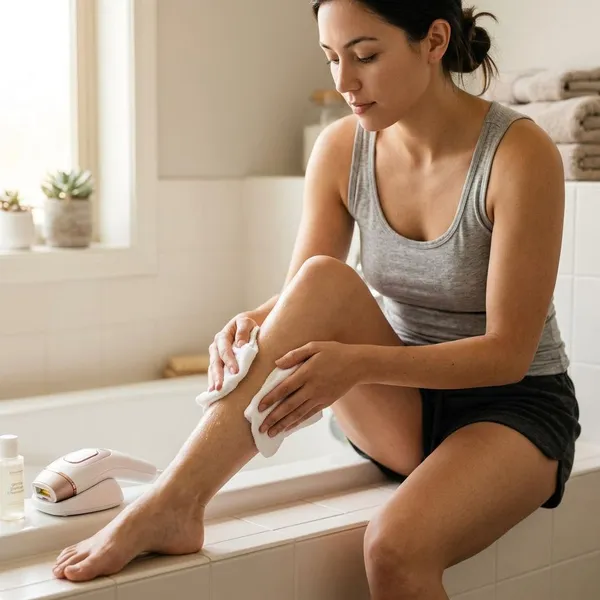
Good prep makes IPL more comfortable and more predictable. Before you touch the device, check three things first: your skin is suitable for the device, the hair has been shaved rather than pulled out, and the area is bare with no product residue.
Remove visible hair as directed
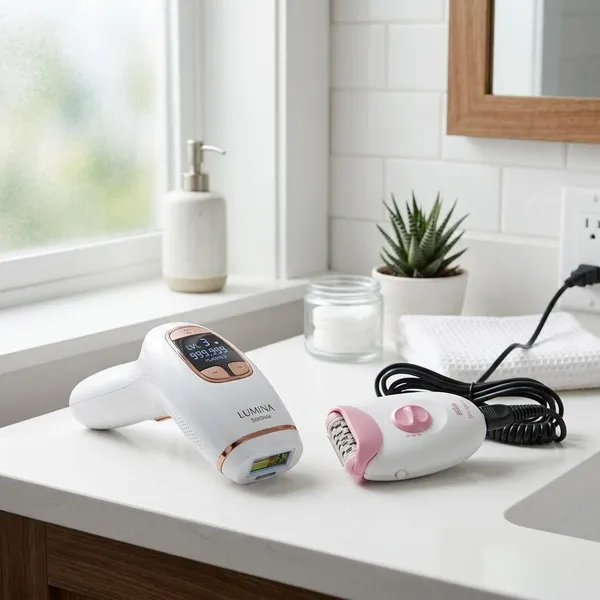
Shaving is usually the right method before IPL because it removes hair above the skin while leaving the root in place. Waxing, plucking, and epilating are poor choices right before treatment because they remove the target IPL needs.
If shaving always leaves you red or bumpy, shave the day before rather than minutes before your session. For someone treating legs casually once a week, same-day shaving may be fine; for a sensitive bikini line, waiting until the skin feels calm is often the smarter choice.
Clean and dry the treatment area
Wash the area with a mild cleanser, rinse away any residue, and dry the skin fully. Damp skin can make contact less reliable, and many devices will not flash unless the window sits evenly against the skin.
If you treat after a shower, wait until your skin is no longer warm or flushed. That small delay makes it easier to tell whether the IPL setting feels normal or too intense.
Remove lotion, oil, and deodorant
Product residue can interfere with contact and comfort, so remove lotion, body oil, deodorant, sunscreen, makeup, and heavy skincare before treatment. Underarms are the easiest place to miss this step because deodorant can stay on the skin even after a quick rinse.
A simple check helps: run a clean damp cloth over the area, dry it again, and make sure the skin feels bare rather than slick. This also keeps the treatment window cleaner during the session.
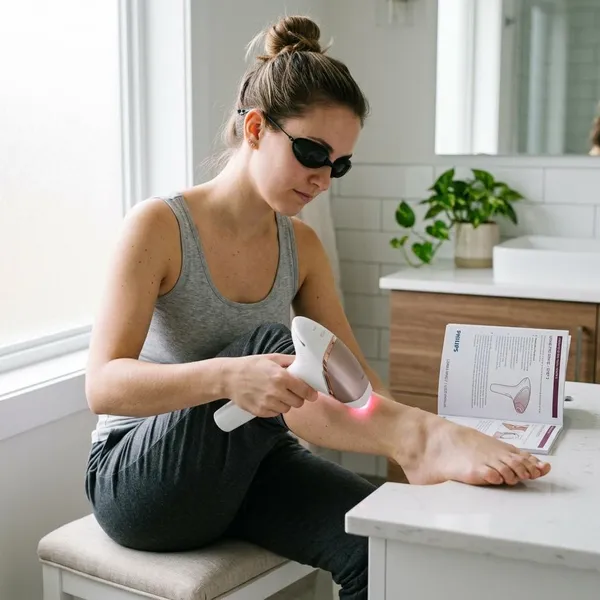
How to use an IPL hair removal device
The basic method is simple, but order matters. Prepare the skin, choose a safe intensity, hold the device flat, treat in a pattern, then clean the window before storing it. Do not chase faster results by using the highest setting or repeatedly flashing the same spot.
Choose the recommended intensity
Start with the setting your device recommends for your skin tone and hair color, not the highest level available. If you are using IPL for the first time, a lower setting that you can repeat comfortably is usually more useful than an aggressive session you dread doing again.
Different areas can need different choices. Legs may feel easy on a moderate level, while underarms or the bikini line may feel too sharp at the same setting. If your manual allows adjustment by area, treat comfort as useful feedback rather than something to ignore.
Hold the window flat against your skin
The treatment window needs full contact with the skin, usually at a straight 90-degree angle. If the device will not flash, poor contact is one of the first things to check.
- On flat areas: rest the full window evenly on the skin before flashing.
- On curves: change your body position or stretch the skin slightly to create a flatter surface.
- Do not force it: pressing harder is less useful than repositioning the device properly.
Stamp smaller areas if supported
Stamp mode is best for areas where control matters more than speed. Place the window, flash once, then move to the next spot beside it. This works well for underarms, fingers, toes, and the visible bikini line if your device allows those areas.
Avoid heavy overlap. Treating the same tiny patch several times in one session is more likely to irritate the skin than improve results.
Glide over larger areas if supported
Glide mode can save time on legs and arms because the device pulses as you move it across the skin. Keep the movement slow and steady; rushing is how untreated strips happen.
For larger areas, split the job into sections: lower leg before upper leg, forearm before upper arm, front before back. That is especially helpful if you are doing maintenance after several weeks and the hair is already patchy, because it becomes harder to see where you have treated.
Cover the area evenly
Even coverage is more important than speed. IPL only affects the spots you actually flash, so random movement often leads to patchy regrowth that looks like poor results.
Use a simple pattern: rows on legs and arms, small zones on underarms and bikini line. Good lighting helps, and a mirror is useful for areas you cannot see clearly.
Clean the treatment window after use
After the session, clean the treatment window as your device instructions allow. A soft lint-free cloth is usually safest; avoid abrasive pads or harsh cleaners that could scratch the surface.
A dirty window can make flashes less consistent and may leave residue on the skin next time. Store the device somewhere dry rather than in a steamy bathroom unless the manufacturer says that is fine.
How to use IPL on different body areas
The same IPL routine does not feel the same everywhere. Large flat areas are mostly about coverage, while curved or sensitive areas are about contact and patience. Always stay within the body areas approved for your specific device.
A good beginner plan is to start with legs or arms so you can learn the flash sensation, pacing, and spacing. Save underarms or bikini line for when you are more comfortable handling the device, because those areas are easier to miss and easier to irritate.
Legs and arms for larger coverage
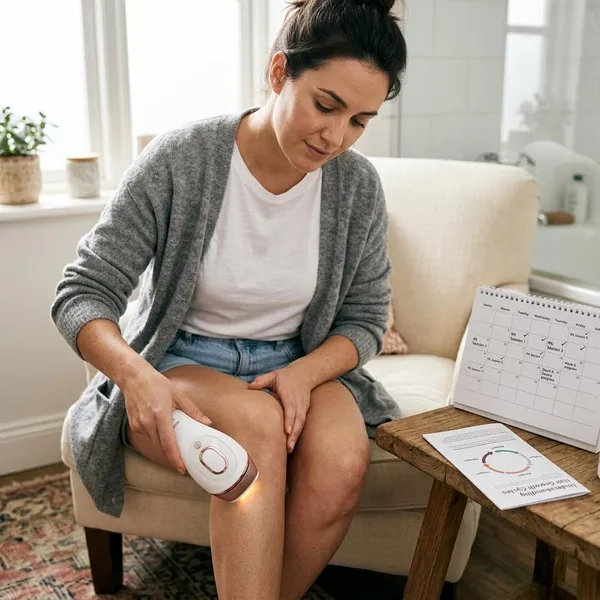
Legs and arms are usually the easiest areas to treat because the surface is broad and fairly flat. Glide mode, if available, is useful here, but only if you can keep the window flat while moving.
Work in clear sections rather than trying to cover the whole limb at once. For example, treat the front of the lower leg, then the back, then move upward. This prevents the common mistake of carefully treating one side and guessing the rest.
Underarms for smaller curved areas
Underarms need slower placement because the skin curves and deodorant residue is easy to miss. Clean thoroughly, dry well, raise your arm, and shift position until the window sits flat.
Stamp mode is usually easier than glide mode here. If the device does not flash, do not keep pressing harder into the skin; change the angle or flatten the area with your arm position.
- If the hair is coarse: start lower and increase only if it feels comfortable.
- If shaving causes bumps: wait until the bumps settle before using IPL.
Bikini line within device limits
The bikini line is an area where the manual matters. Many devices allow the visible bikini line but not deeper intimate areas, and that boundary should not be guessed.
Use a careful shave, clean the area well, and start with a conservative setting. Stamp mode gives better control, especially along edges. Skip cuts, irritation, tattoos, dark marks, or any spot where the skin does not look calm.
How to tell if IPL is working
IPL results build gradually, so do not judge the routine by the first session. The useful signs are slower regrowth, finer hair, patchy return, and eventually less frequent shaving or trimming.
Hair grows back more slowly
The first sign is often a longer gap before stubble returns. If you usually shave every day and later find the area stays smooth for several days, that is meaningful progress even if some hair is still visible.
Regrowth becomes finer
Hair may come back softer, thinner, or less scratchy. This can be easier to feel than to see at first, especially on underarms or the bikini line where coarse regrowth normally feels obvious.
Do not expect every follicle to change at the same speed. Mixed texture is common while the area is still responding.
Hair appears patchier
Patchiness can be a good sign when it means some follicles are responding before others. It can also expose poor technique if the patches line up with areas you probably skipped.
If the missed areas look like straight strips on a leg or arm, improve your pattern next time. If the reduction is scattered and slowly increasing, it is more likely part of normal IPL progress.
Less frequent removal is needed
Needing to shave less often is one of the most practical signs that IPL is helping. Even if the area is not hair-free, lower upkeep still counts as a real result.
Once regrowth stays slower and finer, many people move into maintenance sessions rather than frequent early treatments. The exact timing should come from your device instructions, because schedules vary by model.
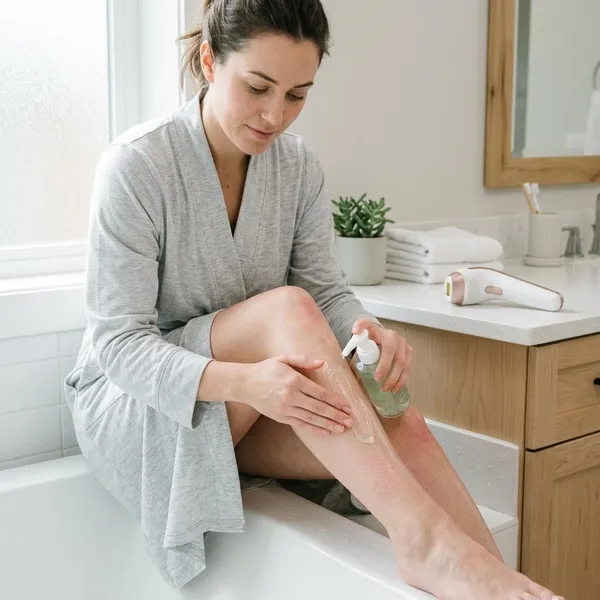
How to care for your skin after IPL
Aftercare should be simple. The goal is to keep the skin calm, avoid extra irritation, and protect treated areas from sun exposure. If your skin feels normal, you do not need a complicated routine; if it feels warm or reactive, give it time before using active products or creating friction.
Keep irritated skin cool
If the skin feels warm or mildly red, use a cool damp cloth for short periods. Do not put ice directly on the skin, and do not keep treating an area that feels increasingly hot or painful.
Avoid products that trigger irritation
Skip exfoliating acids, retinoids, scrubs, strong fragrance, and alcohol-heavy products right after IPL. A plain fragrance-free moisturizer is usually enough if the skin feels dry.
Limit excess heat and friction
Hot baths, saunas, intense workouts, tight clothing, and rough exfoliation can make treated skin feel more irritated. For most people, avoiding these for about 24 to 48 hours is a practical starting point, but extend that if the area still feels tender.
Protect exposed skin from the sun
Use sun protection on treated areas that will be exposed, especially arms, legs, or approved facial areas. Broad-spectrum SPF 30 or higher is a sensible baseline, and covering the area is even better when the skin feels sensitive.
Conclusion
The safest way to get value from at-home IPL is to treat it like a routine, not a shortcut: prep the skin properly, use a setting you can tolerate, cover each area methodically, and pause when your skin is not calm. If you are unsure about your skin tone, hair color, a reaction, or whether a body area is allowed, check the device instructions first and get medical advice when the reaction is strong or unusual.
FAQS
Do you need to shave every time before IPL?
Usually, yes. Shave before each scheduled session unless your device instructions say otherwise, because IPL needs the root present but works best without surface hair. If shaving leaves irritation, wait until the skin settles before treating.
How long should an IPL session take?
It depends on the area and device mode. Underarms may take only a few minutes, while both legs can take much longer, especially without glide mode. Even coverage matters more than finishing quickly.
What should IPL feel like during treatment?
It should feel like a quick warm snap, mild tingling, or a light flick. Sharp pain, burning, or discomfort that lingers is not normal and means you should stop and lower the setting before trying again.
Why is my IPL device not flashing?
The most likely causes are poor skin contact, the wrong angle, a dirty window, low battery, or a safety sensor blocking the pulse. Clean and dry the skin, place the window flat, and check whether your model needs charging, cooling, or a different attachment.
What should I do if my skin reacts after IPL?
Stop using the device on that area and cool the skin gently. Mild warmth can settle quickly, but blistering, strong pain, swelling, or irritation that does not improve should be checked by a doctor or dermatologist before you continue.