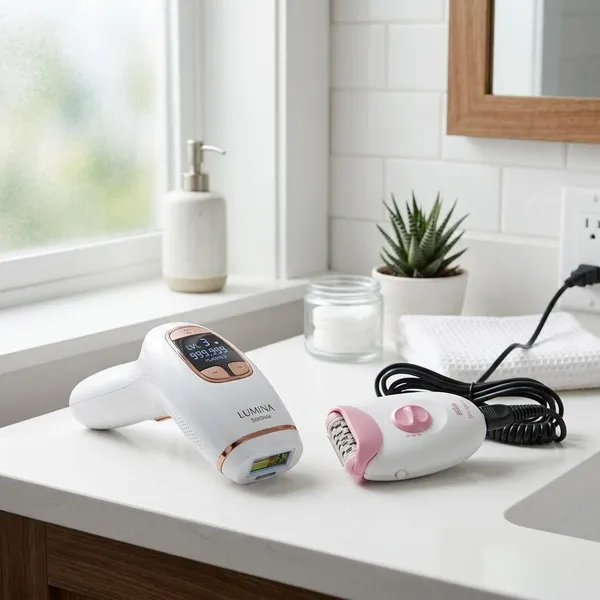
Which Home IPL Device Fits Your Beauty Goals?
If you are choosing an ipl hair removal and skin rejuvenation device, start with one question: do you only want less hair, or do you also have mild skin concerns the device is actually approved to treat? Hair reduction is the more common home-use goal; skin rejuvenation features can be useful, but only when the concern, skin tone, treatment area, and mode all match the instructions.
How does IPL work for hair removal and skin rejuvenation?
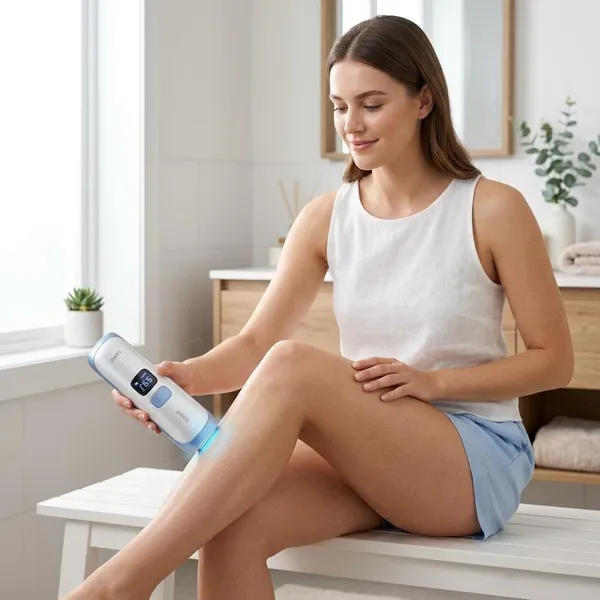
IPL stands for intense pulsed light. It sends controlled flashes of broad-spectrum light into the skin, where different targets absorb the energy. For hair removal, the target is mainly pigment in the hair; for skin rejuvenation, the target may be excess pigment or visible redness, depending on what the device is designed to support.
Hair removal targets pigment in the hair
For hair reduction, IPL works best when the light can "see" the hair clearly. Darker hair on lighter approved skin tones usually responds better than very light blond, red, gray, or white hair, because those hairs contain less melanin for the light to target.
Hair grows in cycles, so one session will not catch every follicle at the right moment. A person treating underarms may notice changes sooner because the area is small and the hair is often coarse, while legs usually require more patience simply because there is more surface area to treat consistently.
Skin treatments target specific skin concerns
Skin rejuvenation is a broad marketing phrase, so read it carefully. Some home IPL devices may support the appearance of mild sun spots, uneven tone, or superficial redness, but that does not mean they can treat every dark mark, scar, or vascular concern.
A few stable sun-related spots are very different from melasma, active rosacea, changing moles, or deep acne scarring. If the concern is unclear, worsening, raised, very dark, or medically unexplained, skip home treatment and get it checked first.
Different modes or filters control each treatment
A real dual-purpose device should make the difference between hair mode and skin mode obvious. Look for separate attachments, named treatment modes, clear area guidance, and a manual that explains which concerns are supported.
- Hair mode: designed for reducing suitable unwanted hair over repeated sessions.
- Skin mode: should name the supported concern, such as mild pigmentation or redness support.
- Precision head: useful for smaller areas like the upper lip or jawline, if approved.
- Larger window: better for legs and arms because sessions take less time.
What can a dual-purpose IPL device help with?
A dual-purpose IPL device is most useful when your goals are modest and clearly within the product's approved range: less unwanted hair plus support for mild, stable cosmetic skin concerns. It is not a shortcut for treating complex pigmentation, strong redness, or deeper texture changes.
Unwanted face and body hair
This is usually the strongest reason to buy a home IPL device. Many models are approved for areas such as legs, arms, underarms, bikini line, and sometimes facial hair below the cheekbones, but the exact list depends on the device.
Check the manual against the areas you actually care about before buying. A device that works well for legs may still be unsuitable for male beard areas, near the eyes, over tattoos, or on more intimate zones.
Supported pigmentation concerns
Some dual-purpose devices support mild pigmentation concerns, such as the appearance of certain sun spots or freckles, if the instructions specifically allow it. The safer approach is to treat only small, stable, clearly cosmetic marks that match the product guidance.
Do not use home IPL on marks that are changing, raised, unusually dark, irritated, or unexplained. Also be cautious with melasma, because heat and light can make pigmentation worse for some people.
Supported redness and uneven skin tone
Mild redness or patchy-looking tone may improve with some IPL skin modes, but results are usually gradual and subtle. A realistic goal is skin that looks a little more even over time, not a dramatic overnight change.
If your redness flares easily, feels hot, stings, or comes with active rosacea-like symptoms, professional advice is safer than experimenting at home. Sensitive skin can sometimes use IPL, but only when calm, intact, and within the device's approved range.
Mild skin texture concerns
Home IPL may help skin look smoother or brighter when the concern is mild dullness or slight unevenness. It is not the same as resurfacing, microneedling, or professional treatments aimed at deeper acne scars and structural texture changes.
How do you choose the right IPL device for your goals?
Choose by your main goal first, then compare features. The most useful device is not always the one with the longest feature list; it is the one that matches your skin tone, hair color, treatment areas, and routine.
| Your situation | Better choice | What to check first |
|---|---|---|
| Only want less body or facial hair | Hair-removal IPL | Skin tone range, hair color suitability, approved areas |
| Want hair reduction plus mild tone concerns | Dual-purpose IPL | Separate skin mode, supported concerns, attachments |
| Have melasma, active redness, scars, or unexplained marks | Professional assessment | Diagnosis and safer treatment options |
How can you use an IPL device safely?
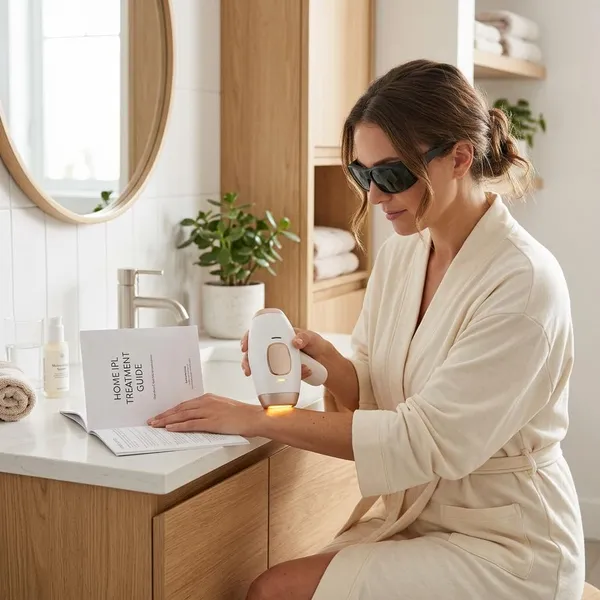
Safe use starts before the first flash. Check your skin tone, hair color, treatment area, current skin condition, and the exact mode you plan to use. If any of those do not match the manual, pause instead of trying to force the treatment.
Season also matters. Someone using IPL through winter on untanned skin may be in a lower-risk situation than someone starting in summer after sun exposure or self-tanner. Temporary tanning can change how much light the skin absorbs, even if the device was suitable for you earlier in the year.
Patch test before full treatment
Patch testing is the easiest way to catch a bad reaction before it spreads across a larger area. Test a small approved spot, use a cautious setting, and wait for the time recommended by the manufacturer before treating fully.
Pay attention to unusual heat, swelling, strong redness, blistering, or irritation that lasts longer than expected. If a setting feels fine on the legs but too sharp near the jawline or bikini line, lower the intensity or do not treat that area.
Stay within the approved skin tone range
The skin tone range is one of the first things to check, not a detail to skim. IPL can become riskier when the skin absorbs too much light energy, which may increase the chance of burns, irritation, or post-treatment discoloration.
Use the tone chart or built-in sensor if the device has one. Avoid guessing after tanning, sunburn, recent self-tanner, or any noticeable darkening of the treatment area.
Treat only approved areas
Only treat areas the manual clearly allows. Avoid the eye area, tattoos, dark moles, broken skin, irritated patches, and any zone the instructions exclude.
Follow the recommended intensity and schedule
Higher intensity and extra sessions do not guarantee faster results. They can simply irritate the skin and make you stop before the treatment has had time to work.
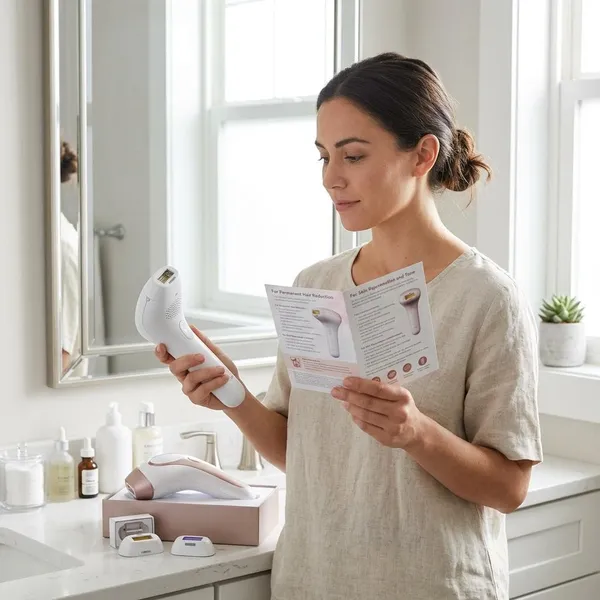
- Read the manual first. Confirm the device is approved for your skin tone, hair color, area, and goal.
- Prepare the skin as directed. For hair removal, this often means shaving and treating clean, dry skin.
- Start conservatively. Use the recommended starting level or a lower approved setting.
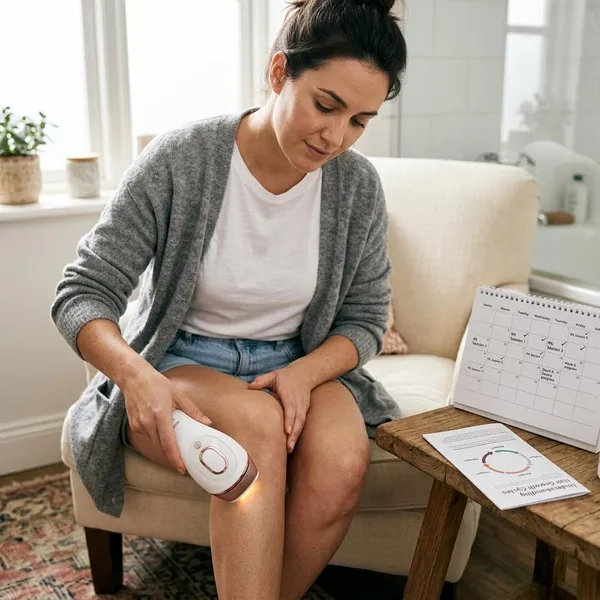
- Keep the schedule realistic. Follow the treatment calendar instead of flashing more often.
- Stop if the skin reacts badly. Unusual irritation, worsening pigmentation, or pain is a reason to pause and get advice.
Conclusion
The best choice is the device that fits your real use case, not the one with the broadest claims. Pick hair-removal-only if unwanted hair is the whole problem, choose dual-purpose IPL only when the skin concerns are mild and clearly supported, and leave complex or uncertain skin issues to a professional. A careful match at the start saves more frustration than any extra mode on the box.
FAQS
Can you use a hair removal IPL device for skin rejuvenation?
Only if the manufacturer specifically approves that use. If the device has no skin mode, filter, or instructions for pigmentation or redness support, use it for hair reduction only.
Is IPL safe for sensitive skin?
It may be safe for some sensitive skin, but not when the skin is irritated, sunburned, broken, or flaring. Patch test first and stay on a lower approved setting if your skin reacts easily.
How long does it take to see IPL results?
Hair reduction usually takes several sessions, and skin-tone changes tend to be gradual as well. If nothing changes after consistent use within the manual's schedule, reassess whether your hair color, skin tone, or concern is a good match.