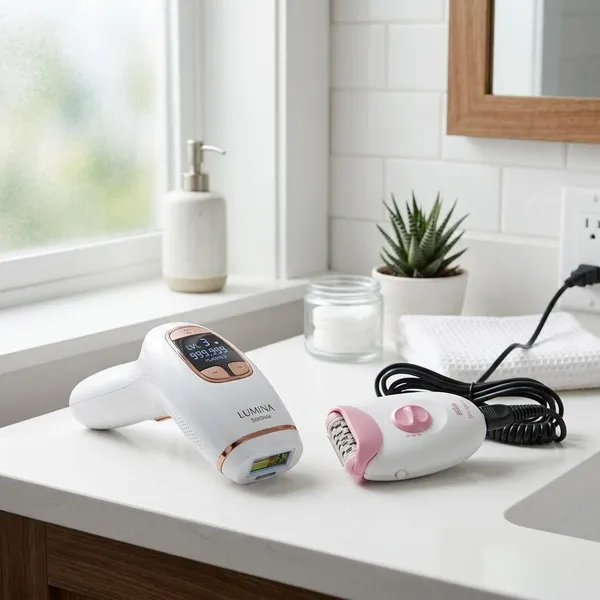
How Long to See Results From IPL Hair Removal Device Use
Most people notice the first signs from an IPL hair removal device after about 3 to 4 consistent sessions, with clearer reduction often taking around 8 to 12 weeks. The first change is usually not bare skin, but slower regrowth, finer hair, or fewer days when you feel you need to shave.
Why do IPL results take time?
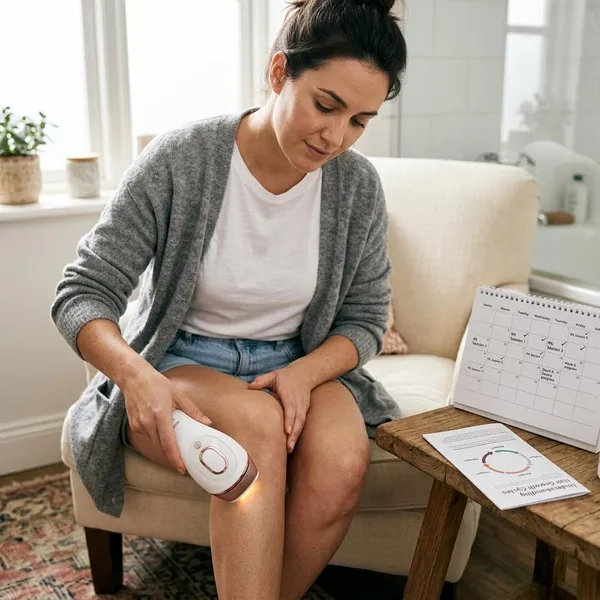
IPL works gradually because it can only affect hairs that are in the right growth stage when you use the device. That is why one session may feel underwhelming, even when the treatment is being done correctly.
Hair grows in different cycles
Hair does not grow at the same speed everywhere, or even at the same time in one small patch of skin. Some hairs are actively growing, while others are resting or shedding, so a single IPL session can only reach part of the target.
This is why early results can look uneven. One area may seem smoother while a nearby strip still grows normally, especially on larger areas like legs where it is easy to miss a section.
Only active hairs respond each session
IPL is most effective when the hair is actively growing and still has enough pigment connected to the follicle. Resting hairs may not respond much during that session, even if the device flashes properly.
- One or two sessions: usually too early to judge.
- Three or four sessions: early slowdown may start to show.
- Eight to twelve weeks: a more realistic point to judge visible reduction.
Hair reduction builds over repeated treatments
IPL is better thought of as hair reduction, not instant hair removal. Each correct session can reduce how quickly some hairs return, and the effect becomes easier to see after repeated treatments.
If you are treating before a summer trip, start well ahead of time rather than expecting smooth legs after one weekend. If you want year-round reduction, the early phase matters, but maintenance later is what keeps the result from fading too quickly.
How do IPL results differ by body area?
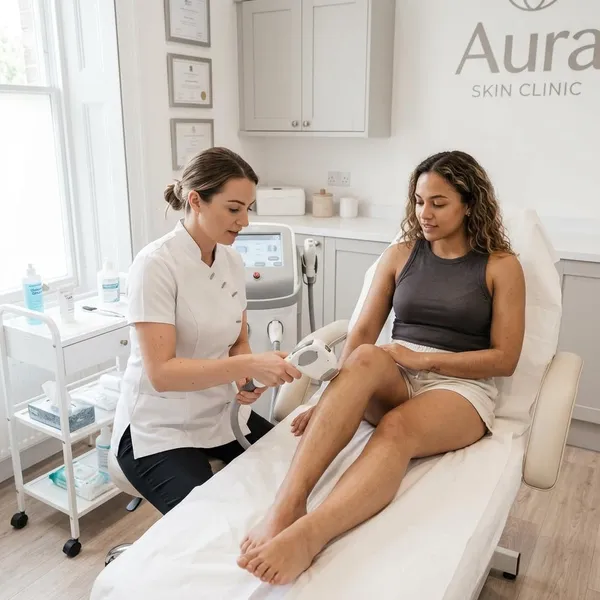
Different body areas can show results at different speeds. Coarser, darker hair often responds more clearly, while fine, light, or hormonally influenced hair may take longer and may need more upkeep.
Legs and larger areas
Legs often show gradual progress rather than a sudden change. The most common issue is not the device itself, but uneven coverage: rushing over the shin, missing the back of the calf, or leaving narrow untreated strips.
Underarms and bikini line
Underarms and the bikini line often respond earlier because the hair is usually darker and thicker. If you used to shave underarms daily and can now wait several days, that is a useful real-life sign even before the area looks completely clear.
These areas also need careful prep. Curves, sensitivity, and leftover surface hair can make flashes less comfortable or less even, so shaving well and placing the device flat against the skin matters more than going quickly.
Face and stubborn hair
Facial hair can be slower and less predictable, especially around the chin or jawline where hormones may keep triggering new growth. Upper lip hair may respond better for some users, but fine or lighter hairs are harder for IPL to target.
If your main concern is persistent facial hair, check whether your device is approved for that area and whether your hair color is suitable. When the hair is very light, gray, red, or white, IPL may have little to target.
How can you tell if IPL is working?
The best early signs are small changes in your routine: hair takes longer to return, feels softer, or grows back in patches instead of as even stubble. These signs often appear before dramatic visible thinning.
Try to judge progress over several weeks, not day by day. Daily checking makes normal regrowth feel like failure, while a weekly comparison gives you a clearer picture.
Hair grows back more slowly
Slower regrowth is usually the first thing worth noticing. If you used to shave your legs every two days and now feel comfortable waiting longer, the device may already be reducing activity in some follicles.
Regrowth becomes finer and patchier
Patchy regrowth can be a good sign when your schedule and technique are consistent. It often means some follicles are responding while others still need more sessions.
You need to shave less often
Needing to shave less often is one of the most useful measures because it affects daily life. Keep a simple note of how often you shaved before starting, then compare it after 4, 8, and 12 weeks.

Why are you not seeing IPL results yet?
If nothing seems to be changing, check the basics before blaming the device: number of sessions, schedule, hair and skin suitability, shaving prep, and intensity. Most slow-result cases come from one of those points.
The clearest warning sign is no slower regrowth at all after a proper initial course. If you have used the device consistently for 8 to 12 weeks and see no change, suitability or technique needs a closer look.
You have not completed enough sessions
One or two sessions are usually not enough to judge IPL. Because each treatment only catches some active hairs, stopping early often means you quit before the reduction has had time to build.
Your treatment schedule is inconsistent
Skipping sessions can stretch the timeline because you miss chances to catch new hairs as they enter the active stage. One missed week is not a disaster, but repeatedly using the device "whenever you remember" can make results look random.
For someone who wants lower-maintenance underarms before summer, a calendar reminder is more useful than trying to compensate with extra flashes later.
Your hair or skin may not be suitable
IPL generally works best when there is enough contrast between the hair and surrounding skin. Darker hair on lighter skin often responds better, while very light blonde, red, gray, or white hair may not absorb enough light.
Skin tone limits are also important. If your skin tone is outside the range listed for your device, or the device warns against use on certain areas, do not try to force results by increasing intensity.
Your prep or device use may be incorrect
Poor prep can quietly weaken every session. Shaving is usually recommended because it leaves the root in place while removing surface hair that can absorb energy before the pulse reaches the follicle.
- Waxing or plucking first: may remove the target the device needs.
- Flashing too fast: can leave untreated gaps.
- Using too low a setting: may slow progress if a higher approved setting is tolerated.
- Dirty treatment window: can reduce light delivery.
How can you get better IPL results?
The biggest improvements usually come from doing the simple things consistently: shave first, follow the schedule, use an appropriate intensity, and keep treating after the first visible improvement. Doing more is not always better; doing it correctly matters more.
Shave before each treatment
Shave the area before using IPL unless your device instructions say otherwise. Avoid waxing, plucking, or epilating during the treatment phase because those methods remove the hair root that IPL needs to target.
For coarse areas like underarms or bikini line, shaving also makes the session more comfortable. Surface hair can heat up, which may make the flash feel sharper than it needs to.
Follow your device schedule
Use the schedule from your own device manual rather than copying someone else's routine. Many at-home devices start with weekly or every-two-week treatments, then move into less frequent maintenance.
Using IPL more often than recommended usually will not make inactive hairs respond faster. It may only increase the chance of irritation, especially on sensitive areas.
Use the recommended intensity
The right intensity is the highest setting that is allowed for your skin tone and still comfortable according to your device guidance. Staying on the lowest level forever can hold back results, but pushing past the recommended range is not worth the risk.
If your device has a skin sensor or automatic setting, use it. If your skin becomes irritated, recently tanned, or unusually sensitive, pause and follow the safety instructions before treating again.
Keep up with maintenance sessions
Maintenance is what keeps good results from slowly slipping away. Even after strong reduction, some hairs can recover and new growth can appear over time.
The maintenance phase is usually easier than the starting phase: fewer sessions, less shaving, and quicker touch-ups. For hormonally influenced areas like the face, expect maintenance to matter more than it does on areas such as lower legs.
Conclusion
A realistic IPL timeline is early signs after a few consistent sessions and clearer reduction after several weeks, not instant smooth skin after one use. Check suitability first, then focus on shaving prep, schedule, coverage, and safe intensity; if those are right, slower regrowth and fewer shaves are usually the signs that the routine is worth continuing.
FAQS
Can using IPL more often make it work faster?
Usually not. Extra sessions do not make resting hairs become active faster, and overuse may irritate the skin, so the safest fast route is still the schedule your device recommends.
Do IPL results last without maintenance?
They may fade over time without touch-ups. IPL can reduce growth for a long period, but occasional maintenance is often needed as follicles recover or new hairs appear.
Is IPL permanent hair removal?
IPL is better described as long-term hair reduction. Many users get less hair, slower regrowth, and easier shaving, but complete permanent removal is not something to assume from an at-home device.