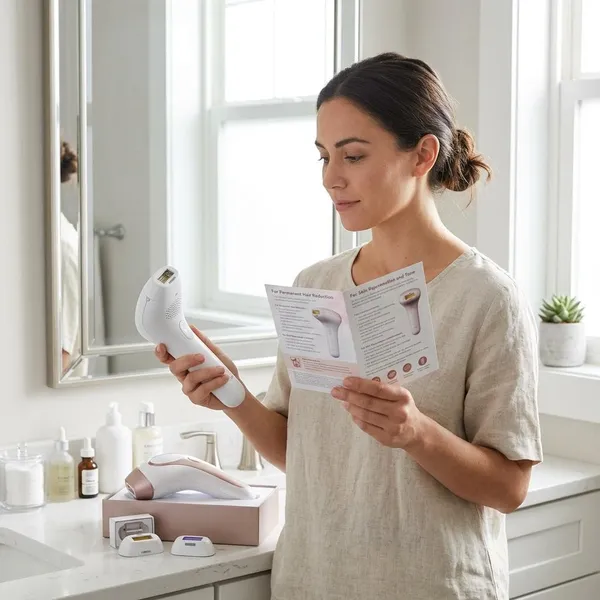
How to Choose a Handheld IPL Hair Removal Device
The right handheld IPL hair removal device is the one you can use safely, comfortably, and consistently—not just the one with the biggest flash count or the sleekest product photo. Start by checking skin tone and hair color compatibility, then look at handling, treatment window size, intensity controls, and whether the device is approved for the areas you actually want to treat.
What makes a handheld IPL device different
A handheld IPL device is built for repeated home sessions, so the physical design matters more than many buyers expect. IPL uses light energy to target pigment in the hair, but the device still has to sit flat on the skin, flash reliably, and feel manageable in your hand.
Compact size makes it easier to handle
A compact body helps when you need to angle the device around underarms, ankles, knees, or the bikini line. It is easier to keep the treatment window flat instead of tilting it and losing contact.
Do not choose the smallest device automatically, though. Very small models can feel less stable if you have larger hands or plan to treat both legs in one sitting. A good handheld size should feel controlled, not cramped.
Weight and balance affect comfort
Weight is not just about whether the device feels heavy when you pick it up. During a longer session, a front-heavy or awkwardly balanced device can make your wrist tired, and that often leads to rushed placement or missed patches.
- For quick underarm use, light handling matters most.
- For full-leg sessions, balanced weight matters more than a few extra features.
- For beginners, a device that feels steady is usually easier to learn with.
Window shape affects reach and coverage
The treatment window decides how much skin each flash covers, but shape affects where the device can actually sit flat. A wide rectangular window can be efficient on thighs or forearms, while a smaller or narrower head is easier around curves and edges.
Visibility is worth noticing too. If the head blocks your view, it becomes harder to see where you have already flashed, especially on larger areas where missed strips are common.
Cord design affects freedom of movement
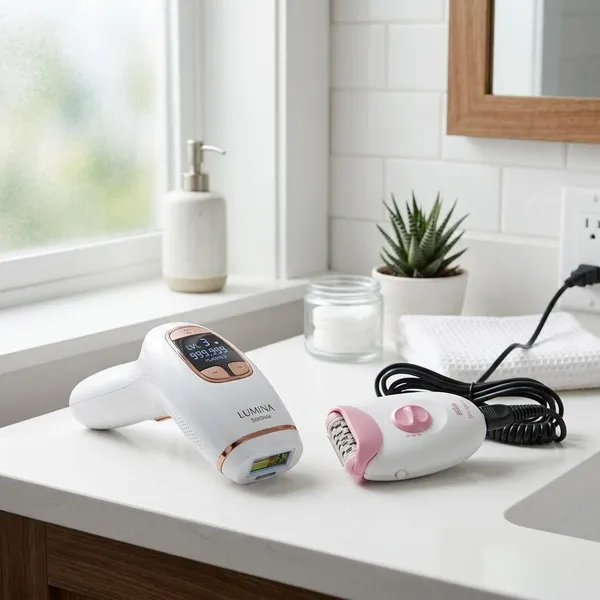
A corded device can be practical for longer sessions because you do not have to stop for charging. That is useful if you treat legs, arms, and underarms together.
The trade-off is movement. A short or stiff cord can pull against your hand and make bathroom use awkward. Cordless models feel freer for small areas and touch-ups, but you need enough battery life for the areas you plan to cover.
Handheld IPL features that matter most
Once compatibility is confirmed, the most important features are the ones you notice every time you use the device: grip, window size, controls, safety support, and treatment modes. These details affect whether the routine feels simple enough to keep doing.
Comfortable grip and balanced weight
A comfortable grip lets you guide the device without squeezing hard. That sounds minor until you are working slowly across both legs or trying to hold a steady angle around the back of the thigh.
Look for a shape that lets your hand stay relaxed and keeps the flash window naturally aligned with the skin. If the device constantly tips forward, the session becomes more tiring than it needs to be.
Suitable treatment window size
Choose the window size around your main treatment areas, not every possible area you might use someday. Large windows save time on legs, arms, chest, or back. Smaller windows give better control on underarms, fingers, upper lip, and bikini edges.
If a device includes attachments, check whether you would actually use them. Attachments are helpful only when they make placement easier, not when they sit unused in the box.
Clear intensity controls
Clear controls reduce guessing. You should be able to see the selected level, change it easily, and understand whether you are using a manual stamp mode or a continuous glide mode.
Skin tone sensing and safety features
Skin tone sensing is one of the most useful safety features because IPL is not suitable for every skin tone and hair color combination. A sensor may help prevent flashing when the skin is outside the approved range, but it should not replace reading the instructions.
- Full-contact sensor: helps stop flashes when the window is not flat on the skin.
- Skin tone sensor: adds a compatibility check before flashing.
- UV filtering: common in IPL devices, but still follow eye and use guidance.
- Patch test guidance: useful before treating a new or sensitive area.
Be more cautious if your skin reacts easily, if you tan often, or if you are treating an area for the first time. A lower approved setting and a patch test are usually smarter than trying to finish quickly.
Useful stamp and glide modes
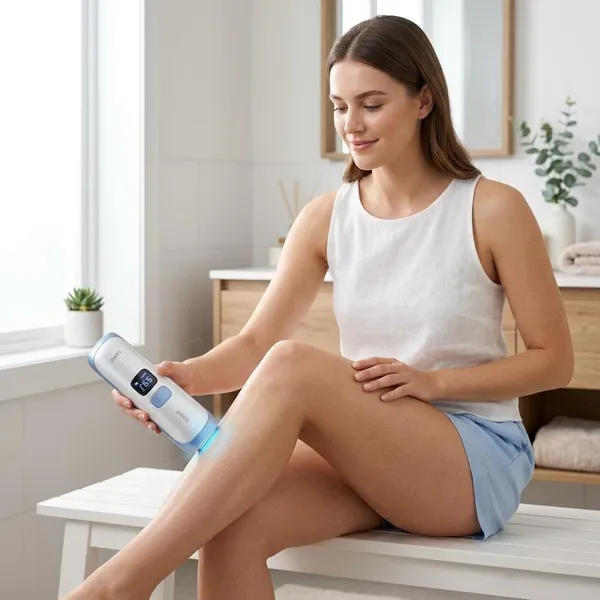
Stamp mode gives one flash at a time, which is better for careful placement. Glide mode flashes repeatedly as you move, which is faster on broad areas.
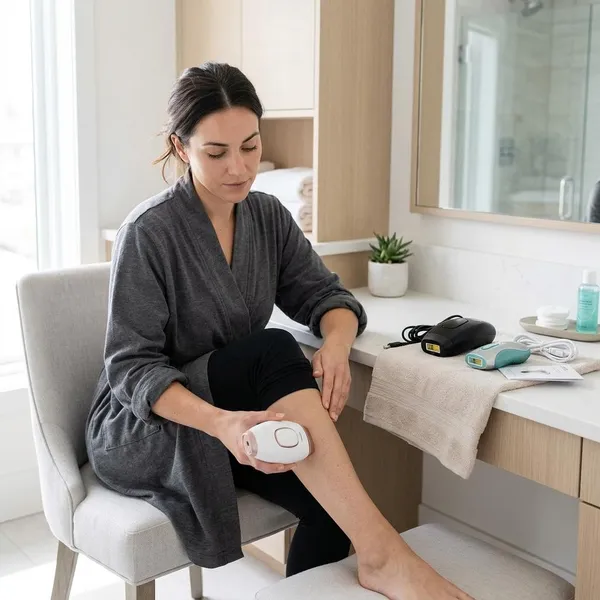
How to match a handheld IPL device to your treatment areas
The best device depends heavily on where you will use it most. Someone treating only lower legs has different needs from someone focusing on underarms, face-approved areas, or the bikini line.
Larger windows suit legs and arms
Larger windows are usually better for legs and arms because they cover more skin per flash. That can reduce session time and make the routine easier to keep up with.
They also help with rhythm. On long, flatter areas, working in rows with a larger window can make it easier to avoid tiny missed strips. If your main goal is full-leg reduction before summer, this feature may matter more than extra attachments.
Smaller windows give more control on tight areas
Smaller windows make more sense where precision matters: underarms, toes, fingers, upper lip, and the edge of the bikini area. The slower pace is usually worth it because placement is easier.
A large head can block your view on tight curves. If you cannot see the edge of the treatment window clearly, you are more likely to overlap too much in one spot or miss the next strip.
Gentle settings help with sensitive areas
Gentle settings are useful for areas that feel more reactive, especially when you are new to IPL. Start within the approved range and move up only if the instructions allow it and your skin tolerates it well.
This is where long-term thinking helps. A comfortable setting you can repeat on schedule is usually more useful than a high setting that makes you avoid the next session.
Facial use requires device approval
Only use IPL on the face if the manufacturer clearly approves facial use and names the allowed zones. Many home devices limit facial treatment to areas below the cheekbones, and some exclude certain types of facial hair.
Do not treat close to the eyes or assume a body-safe device is automatically face-safe. If facial use is a priority, look for written approval, a facial attachment if provided, and clear eye-safety instructions before you buy.
How to use a handheld IPL device at home
Good results depend less on doing one intense session and more on repeating the right steps. The first checks are compatibility, clean shaved skin, a suitable intensity, full contact, and a realistic schedule.
Check skin and hair compatibility
Check the approved skin tone and hair color chart before buying and again before your first session. IPL usually works best when there is enough pigment in the hair for the light to target, while very light blonde, gray, white, or red hair often responds poorly.
If your skin tone or hair color falls outside the approved range, do not try to force it. Choosing another hair-removal method is safer than using an IPL device in a situation the manufacturer excludes.
Shave and clean the treatment area
Shave first, then make sure the skin is clean and dry. Shaving leaves the follicle in place while removing surface hair that could absorb light and cause extra discomfort.
- Remove lotion, oil, deodorant, sunscreen, and self-tanner.
- Do not wax or pluck right before IPL.
- Avoid treating irritated, broken, or freshly sunburned skin.
Choose a suitable intensity
Use a level that matches your approved range and feels tolerable. If the device recommends a setting automatically, follow that guidance unless the manual tells you how to adjust it safely.
Higher is not automatically better. A moderate setting used consistently is usually more practical than pushing to the highest level and then delaying the next session because your skin feels irritated.
Keep full contact during each flash
The treatment window should sit flat against the skin before each flash. If the device is tilted, it may not flash, or it may treat a smaller area than you think.
Work in a simple pattern, such as rows on the legs or small sections around the underarms. On curved areas, slow down and use stamp mode if your device offers it.
Follow the recommended treatment schedule
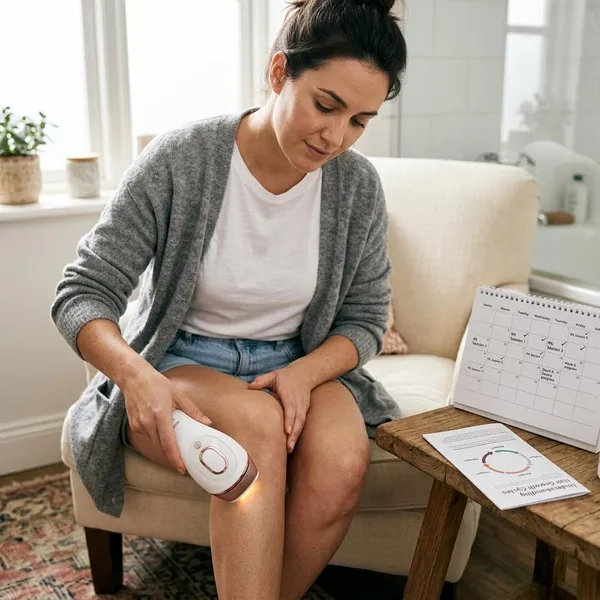
Follow the schedule from the manufacturer rather than guessing. IPL works gradually because hair grows in cycles, so early sessions are usually repeated more often before moving into maintenance.
- Confirm compatibility and patch test first.
- Shave and clean the area before each session.
- Start with a suitable approved intensity.
- Keep the window flat and move in an organized pattern.
- Continue until the initial treatment phase is complete.
Conclusion
A good handheld IPL choice starts with compatibility, then comes down to whether the device fits your real routine. Pick the model that feels comfortable, suits your main treatment areas, has clear controls, and gives you enough safety support to use it consistently without rushing or guessing.
FAQS
Can handheld IPL be used on the bikini area
Yes, if the device instructions approve bikini-area use. Stay on external skin only, start cautiously, and avoid any area the manufacturer excludes.
Can handheld IPL be used on the face
Only if the device is specifically approved for facial use. Check the allowed facial zones carefully, especially because treatment near the eyes needs stricter caution.
How long does a handheld IPL device last
It depends on the rated flash count, warranty, and how often it is used. If more than one person will use it, check the lifespan and hygiene guidance before treating it as a shared household device.