Are LED Face Masks Safe for Skin and Eyes?
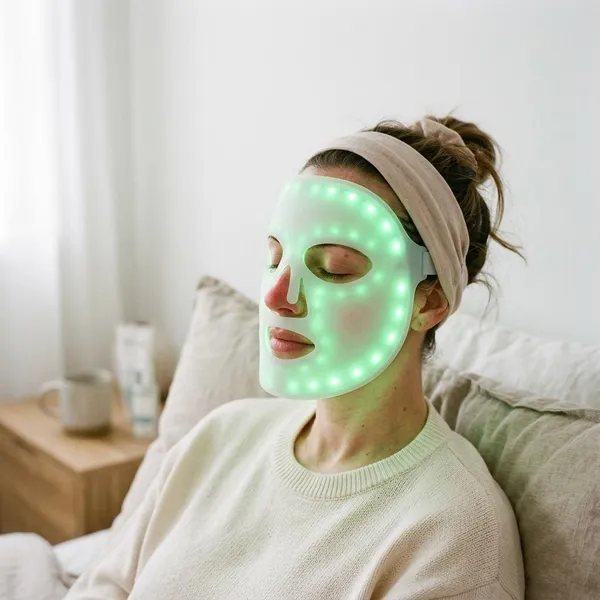
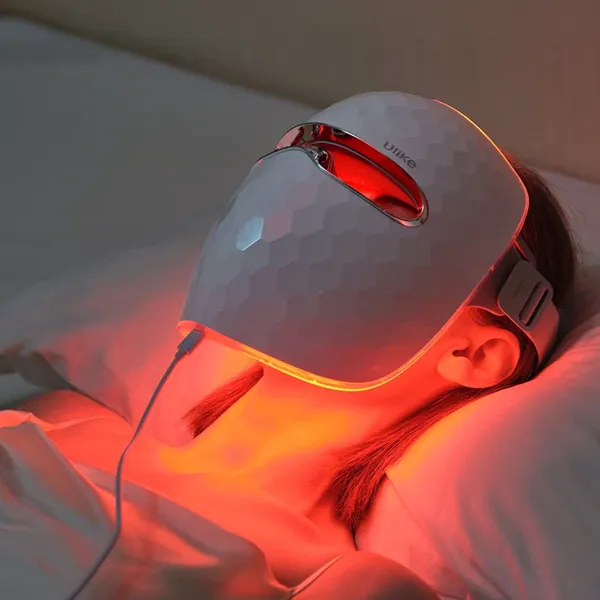
LED face masks are usually safe for healthy adults when the device is reputable and used exactly as directed. The bigger question is not whether the light is "dangerous" in general, but whether your eyes, medication, skin condition, or skincare routine make you a higher-risk user. Start by checking those points before you worry about small differences between red, blue, or near-infrared settings.
Are LED face masks safe?
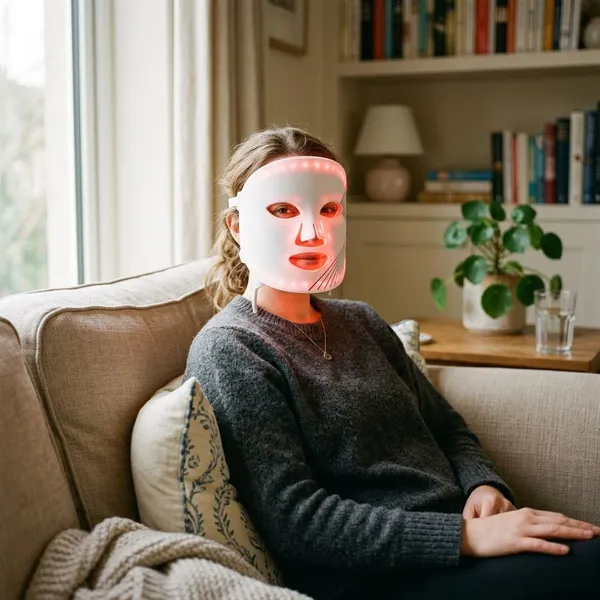
For most people, an at-home LED face mask is a low-risk skincare tool, not a UV tanning device. Most masks use visible light, and some include near-infrared light, so the usual concern is irritation or eye discomfort rather than sunburn-style damage.
The safest starting point is simple: use a well-made device, follow the time limit, protect your eyes, and stop if your skin or vision feels wrong. A healthy user trying a mask a few evenings a week is in a very different situation from someone with light-sensitive medication, active irritation, or an eye condition.
Usually low risk when used as directed
An LED mask is generally low risk when it is used for the brand's stated treatment time and frequency. Home devices are usually less powerful than in-office treatments, which is one reason side effects are often mild when people use them sensibly.
- Lowest-risk use: healthy skin, no light-sensitive medication, correct eye protection, and short scheduled sessions.
- More cautious use: sensitive skin, acne prescriptions, rosacea-prone flushing, pigmentation issues, or frequent irritation from skincare.
- Poor fit without advice: major eye conditions, known photosensitive disorders, or unexplained skin reactions.
FDA-cleared devices are usually a better bet than unverified masks with vague claims. Clearance does not mean the mask is perfect or side-effect free, but it gives you more confidence that the device has been reviewed for its intended use.
Eye safety still matters
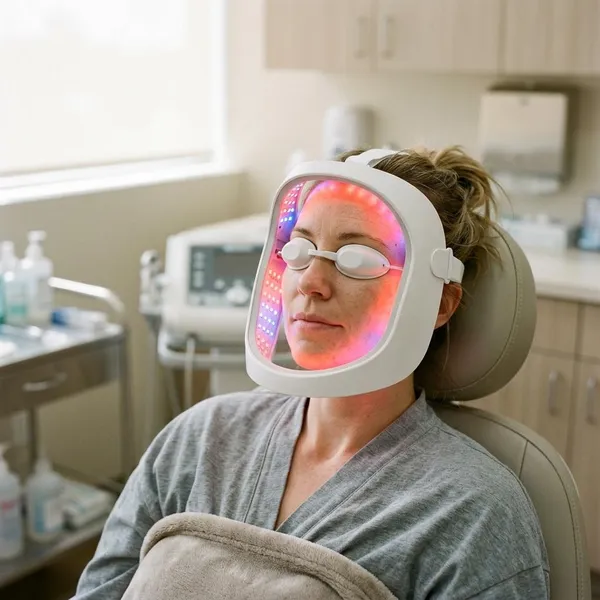
Eye protection is not optional just because the session feels comfortable. Bright light close to the face can cause strain, watering, headache, or temporary sensitivity, and people with existing eye problems may need stricter guidance.
A practical rule: if the mask comes with goggles or built-in shielding, use them every time. If you are tempted to keep your eyes open during a session because you are scrolling on your phone, that is a good sign your routine needs to be adjusted.
Overuse can increase irritation
More sessions do not automatically mean faster results. Overuse is one of the easiest ways to turn a low-risk device into a source of redness, dryness, stinging, or a stressed skin barrier.
This matters most for two common situations: someone using a mask daily because they want quick anti-aging results, and someone combining LED sessions with retinol, exfoliating acids, or strong acne treatments. In both cases, irritation can build slowly before it becomes obvious.
Who should ask a doctor first
Some people should not treat LED masks as a casual beauty purchase. If light exposure already causes skin or eye symptoms for you, or if you use medication that changes your reaction to light, getting medical advice first is the safer move.
The main warning sign is mismatch: a cosmetic device may be fine for a low-risk user, but the same device may be a bad choice for someone with a medical condition, unexplained rash, or serious eye history.
Users taking photosensitizing medication
Ask a doctor or pharmacist before using an LED mask if your medication can make you more sensitive to light. This can include some acne treatments, antibiotics, and other prescriptions, but the risk depends on the exact drug and dose.
A useful check is whether the medication leaflet warns about sunlight, tanning beds, or light sensitivity. If it does, do not assume an LED mask is harmless just because it is sold for home skincare.
Users with photosensitive conditions
People with lupus or other light-triggered conditions should get medical guidance before trying an LED mask. Visible light can still matter for some photosensitive users, even when there is no UV exposure.
Be cautious with pigmentation that worsens after heat or light exposure, too. For example, someone dealing with melasma in summer may need a more conservative approach than someone using red light occasionally for mild redness in winter.
Users with significant eye conditions
If you have a retinal disorder, serious eye disease, unusual light sensitivity, or a complicated eye surgery history, ask an eye specialist before using a mask. The benefit is cosmetic, so it is not worth taking a risk with vision.
People with seizures triggered by flashing or bright light should also check the device style before use. Not every mask flashes, but the safest answer depends on the specific model.
Users with unusual skin reactions
Stop and get advice if you notice burning, swelling, hives, a persistent rash, worsening pigmentation, or pain. Mild short-lived redness can happen; a reaction that feels intense or lasts is different.
Do the same if you have open wounds, suspicious spots, unexplained discoloration, or a history of skin cancer. A mask should not be used to "treat" something that has not been properly identified.
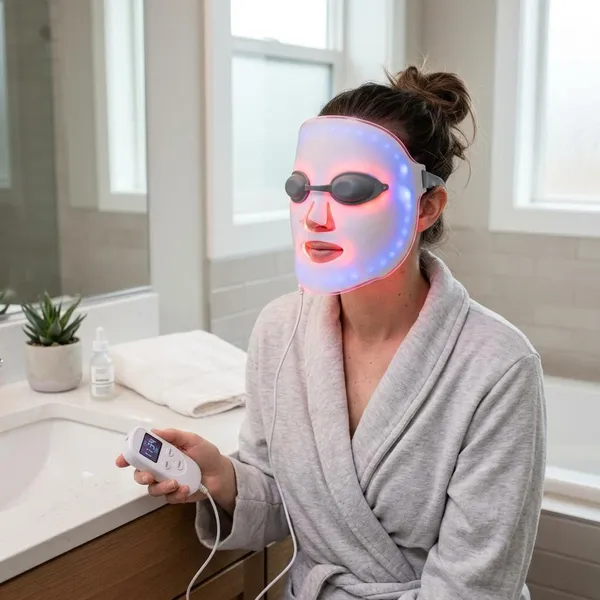
How to use an LED mask safely
Safe use comes down to a few boring but important habits. Follow the device schedule, protect your eyes, start with bare skin, and avoid stacking too many active skincare products around the same session.
If you are new to LED, treat the first two weeks as a test period rather than a results sprint. Keep everything else in your routine steady so you can tell whether the mask is actually agreeing with your skin.
Follow the recommended treatment time
Use the mask for the time and frequency listed by the manufacturer, not for as long as your skin can tolerate. Many home masks use short sessions, often in the range of several minutes, and the device instructions are the safest limit to follow.
- First use: choose the lowest recommended schedule if your skin is sensitive.
- After each session: check for redness, stinging, dryness, or eye discomfort.
- If irritation appears: pause rather than increasing frequency to "push through."
Use the recommended eye protection
Wear the goggles, shields, or eye protection recommended for your device every time. If the light feels painfully bright, causes a headache, or leaves your eyes uncomfortable afterward, stop and reassess the fit, setting, or suitability of the mask.
Start with clean dry skin
Begin with clean, dry skin unless the device instructions clearly say otherwise. Makeup, sunscreen, oily residue, or heavy creams can make the mask sit poorly and may make it harder to know what caused irritation.
Do not copy professional light-based treatments by adding photosensitizing products at home. A home LED mask is usually designed for simple use, not for improvised "boosters."
Keep skincare gentle
On treatment days, a mild cleanser, simple moisturizer, and daytime sunscreen are usually enough. Retinol, exfoliating acids, benzoyl peroxide, and strong peels are the products most likely to complicate things if your skin is already reactive.
- Use the mask on bare, dry skin.
- Protect your eyes before turning it on.
- Stay within the recommended session time.
- Keep strong actives for a different time if your skin gets dry or stingy.
- Stop if symptoms feel unusual or last longer than expected.
Conclusion
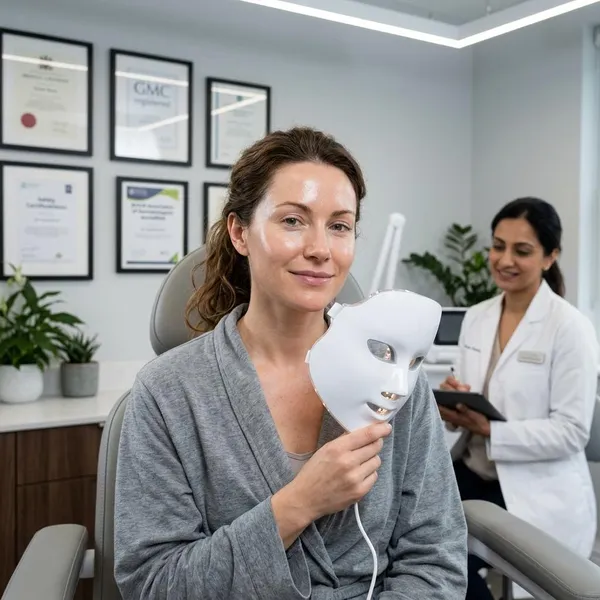
LED face masks are usually a reasonable at-home option for low-risk users, but they are not something to use casually if your eyes, medication, or skin history make light exposure more complicated. The best decision is to check your personal risk first, choose a reputable device, and keep the routine conservative enough that your skin never has to "recover" from the treatment.
FAQS
Is it safe to use an LED face mask every day?
Only if your specific device says daily use is appropriate. If the instructions recommend a few sessions per week, daily use is more likely to irritate than improve your results.
Can you use an LED mask with retinol?
Often yes, but not necessarily in the same routine. If retinol already makes your skin dry, peeling, or stingy, separate it from LED sessions or reduce one of them.
Can red light therapy damage your eyes?
Red light is generally considered low risk when used correctly, but close repeated exposure without protection is not a smart gamble. Use the eye protection provided and stop if your eyes feel strained or painful.
Is an FDA-cleared LED mask safer?
It is usually a safer choice than an unverified device because it has been reviewed for its intended use. It still has to be used correctly, and it does not remove the need for caution if you have medical risk factors.