Is At-Home Brazilian Laser Hair Removal Safe?
You can do some Brazilian-style hair reduction at home, but not every part of a Brazilian is a good candidate for IPL. Treat the outer, device-approved bikini area as the realistic target; leave inner, mucosal, irritated, tattooed, or unusually dark skin alone unless your device clearly says otherwise.
Which Brazilian areas need extra caution?
The first thing to check is not the power level or the brand name. Check the exact skin you want to treat and compare it with the device's approved treatment map. The outer bikini line is often the safest at-home target, while deeper Brazilian areas are much more likely to be excluded.
Darker pigmented skin
Brazilian-area skin can be darker than skin on your legs, stomach, or arms, even on the same person. Since IPL targets pigment, reduced contrast between hair and skin can increase the chance of heat, redness, or irritation on the skin itself.
Check the treatment area in bright, even lighting before you start. If that specific patch of skin is near the device's unsupported range, skip it or choose the most cautious approved setting after a patch test.
Inner bikini areas
Inner bikini areas deserve more caution because the skin is usually thinner, more sensitive, and more affected by friction from underwear, sweat, shaving, and movement. A zone that feels fine on the outer bikini line may feel too sharp or reactive farther inward.
For a low-risk routine, stay with the outer approved area first and watch how your skin behaves over several sessions. For year-round full Brazilian grooming, be stricter: if the manual does not clearly approve the exact inner area, do not treat it at home.
Moles and tattoos
Do not flash directly over moles or tattoos. Dark marks, raised moles, and tattoo ink can absorb light unpredictably, which may increase the risk of pain, blistering, burns, or color changes.
- Use a mirror and strong lighting before each session.
- Leave a small untreated margin around visible moles.
- Avoid tattooed skin entirely, even if only part of the design reaches the bikini line.
Irritated or broken skin
Skip treatment if the area has razor burn, cuts, inflamed ingrowns, peeling, rash, soreness, or a raw feeling. Brazilian skin often looks "fine enough" right after shaving, then becomes irritated a few hours later, so waiting until the skin is calm is usually smarter than forcing a session.
Areas not approved by the device
If the device does not clearly approve an area, treat that as a no. This includes mucosal tissue and intimate zones that are not shown or named in the user manual.
Home IPL devices are not all designed with the same treatment window, energy range, or body-area limits. One model may allow bikini-line use only, while another may describe a broader bikini area. The wording matters, especially when "Brazilian" is being used casually in marketing or reviews.
How to prepare for Brazilian IPL
Preparation makes Brazilian IPL more predictable. The goal is simple: remove surface hair, avoid unnecessary irritation, confirm the exact treatment zone, and start with a setting your skin can tolerate repeatedly.
Trim and shave the hair
Trim longer hair first, then shave closely with a clean razor. Long surface hair can heat up during flashing and make the session feel sharper without improving the result.
If you often get razor bumps, shave earlier rather than immediately before treatment so you can see whether the skin settles. Tiny nicks or stinging patches are a reason to wait.
Clean and dry the skin
Use a mild cleanser, rinse away residue, and let the skin dry fully before treating. Avoid lotion, oil, deodorant, powder, self-tanner, or soothing creams right before IPL because they can make skin response less predictable.
Check the device treatment map
Look at the treatment map for your exact model, not just the brand's general bikini wording. "Bikini line," "bikini area," and "pubic area" can mean different things depending on the device.
- Clear approval: Treat only within the illustrated or named zone.
- Vague wording: Stay conservative and use the outer bikini line only.
- No intimate-area guidance: Do not assume Brazilian use is included.
Patch test a small area
Patch testing is especially useful here because Brazilian-area skin can react differently from legs or underarms. Test a small approved spot, wait the time recommended by the device instructions, and look for lingering heat, swelling, strong redness, or unusual marks.
Start with an appropriate setting
The highest setting is not automatically the best setting for this area. A lower, repeatable setting is often more useful than one intense session that makes you avoid the next treatment.
Use comfort as feedback, but do not rely on comfort alone. Cooling, low-power modes, or a mild sensation do not make unapproved skin safe to treat.
How Ulike fits into Brazilian hair removal
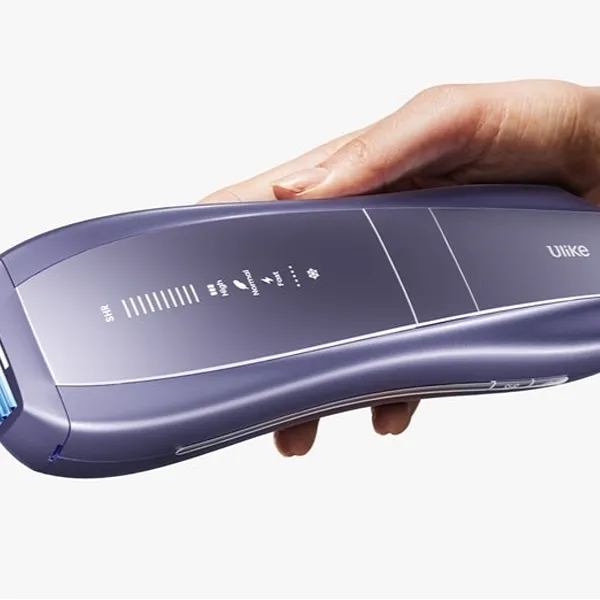
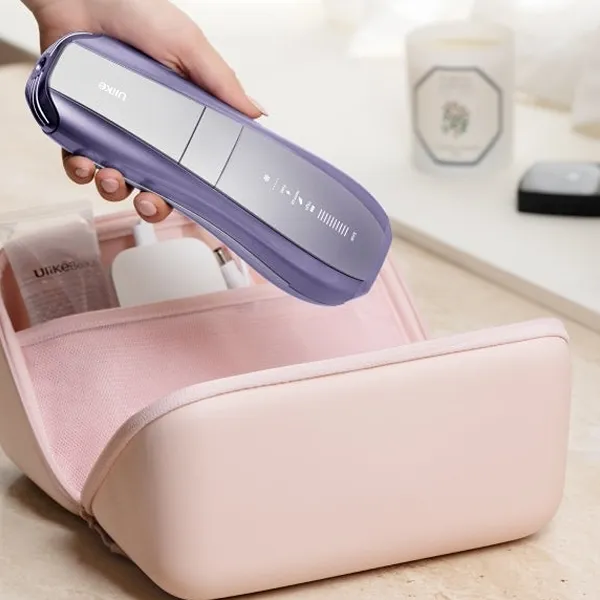
Ulike can make sense for people who want at-home bikini maintenance, but the useful question is narrower than "Can it do a Brazilian?" Ask whether your exact model supports your skin tone, whether it approves the bikini area you plan to treat, and whether the sensation is comfortable enough for regular sessions.
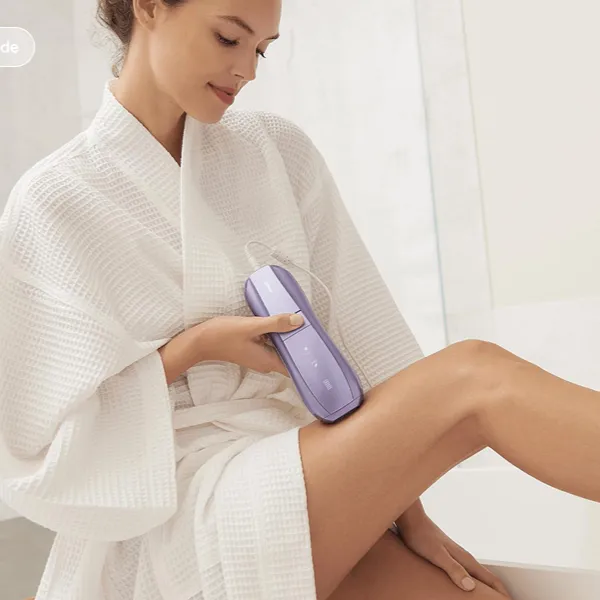
Ulike IPL can treat approved bikini areas
Ulike IPL devices may be suitable for approved bikini areas, depending on the model and the user's skin and hair combination. That usually means thinking of the device as a bikini-maintenance tool, not a free pass to treat every part of a full Brazilian.
Before using it, match three things: the treatment map, your skin tone in that exact area, and the hair color you want to target. If one of those does not fit, do not push ahead just because the area is close to an approved zone.
Air 10 offers a lower-power option for sensitive areas
A lower-power option can be helpful when the bikini area feels more sensitive than legs or arms. With Ulike Air 10, that kind of gentler mode may make early sessions easier to tolerate for users who are cautious or new to IPL.
The tradeoff is patience. Lower power may feel more manageable, but you still need to follow the schedule and stay inside the approved area rather than treating more skin because the setting feels gentle.
Sapphire Ice Cooling helps manage heat sensation
Sapphire Ice Cooling is mainly a comfort feature. It can help reduce the heat sensation during approved bikini-area treatment, which matters because people are more likely to stay consistent when the routine does not feel intimidating.
Cooling should not be treated as extra safety permission. It does not cancel out darker unsupported skin, tattoos, broken skin, or off-limit inner areas.
Conclusion
At-home Brazilian IPL is most sensible when you define it as careful outer-bikini maintenance, not an attempt to treat every intimate area yourself. Start with the manual, the actual skin tone of the area, and a small patch test; if any part of that check feels unclear, skipping that zone is the safer decision.
FAQS
Can you use IPL for a full Brazilian?
Usually not for the entire full Brazilian area. Many home IPL devices are limited to the bikini line or outer bikini area, so only treat zones your specific manual clearly approves.
Can IPL be used directly on the labia?
No, home IPL generally should not be used directly on the labia. That tissue is delicate, often more pigmented, and commonly outside consumer-device treatment guidance.
Do you need to shave before Brazilian IPL?
Yes. Shave after trimming longer hair so the light is not wasted heating surface hair, but postpone the session if shaving leaves the area nicked, raw, or irritated.