How Do You Care for Skin After At-Home Laser Hair Removal?
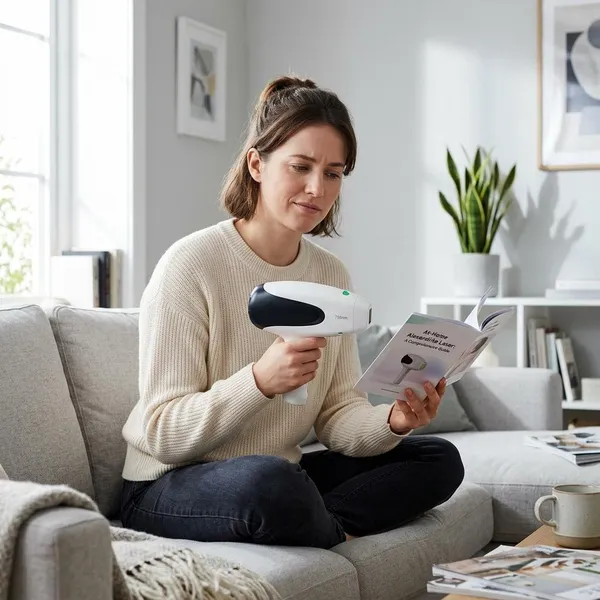
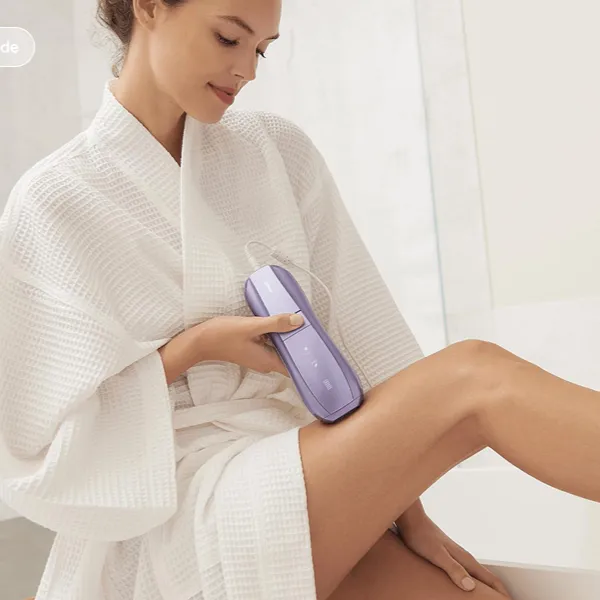
After at-home laser or IPL hair removal, your first job is to keep the treated skin cool, clean, and low-friction until it feels normal again. Most mild redness or warmth is not a problem, but heat, sun, sweating, harsh skincare, and rubbing can turn a small reaction into a longer irritation. Good at home laser hair removal after care is mostly about knowing when to pause, when to moisturize, and when your skin is ready for normal routines again.
What should you do right after treatment?
Treat the first few hours as a cooling period. If the area looks pink, feels warm, or seems a little tender, keep the routine plain: no hot water, no scrubbing, no scented products, and no tight clothing over the area.
Let the skin cool naturally
Give the area time to settle before you do anything else. Sitting in a cool room, leaving the skin uncovered when practical, and avoiding friction is often enough after a mild session on the legs or arms.
Be more cautious with reactive areas such as the upper lip, underarms, and bikini line. These spots can feel fine at first and then become prickly once heat, sweat, or clothing rubs against them.
Use a cool compress if needed
If the skin feels hot or stingy, press a clean cool compress on the area for 5 to 10 minutes. Use cool water or a wrapped cold pack, not bare ice directly on the skin.
- Use light pressure only.
- Do not rub the cloth back and forth.
- Repeat after a break if the area still feels warm.
Apply a gentle fragrance-free moisturizer
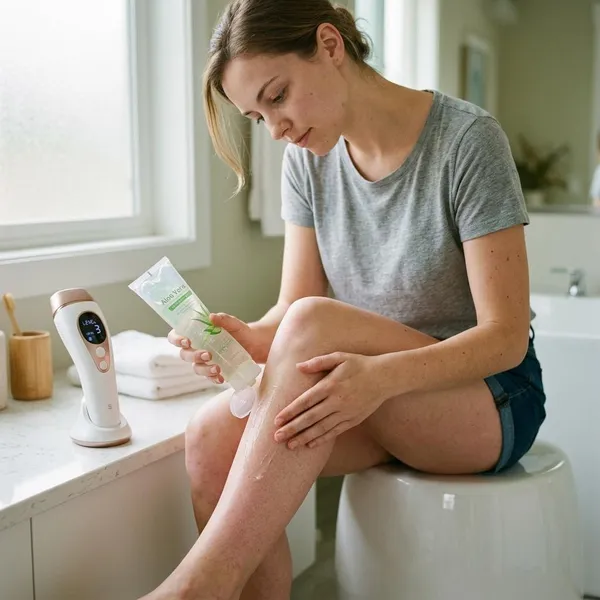
A thin layer of fragrance-free moisturizer can help if the skin feels tight or dry. Pure aloe vera gel may also be soothing, as long as it is free from alcohol, perfume, and added irritants.
Skip retinol, exfoliating acids, benzoyl peroxide, strong vitamin C products, and heavily scented lotions until the skin feels calm. Freshly treated skin can sting from products you normally use without trouble.
Keep the treated area clean and comfortable
Clean skin matters, but gentle handling matters more than "deep cleaning." Use lukewarm or cool water, a mild cleanser if needed, and pat the area dry with a soft towel.
Protect exposed skin from the sun
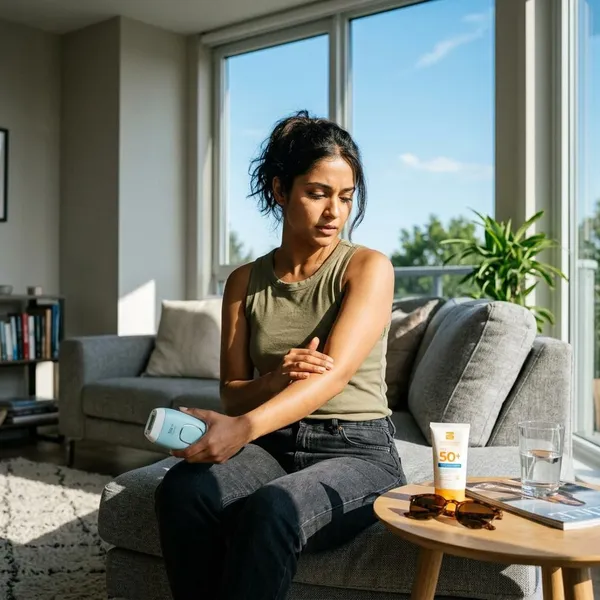
Freshly treated skin is usually more sensitive to UV exposure. If the area will be exposed, use broad-spectrum SPF 30+ once the skin has cooled and is not stinging, and lean on shade or clothing when possible.
What skin reactions are normal?
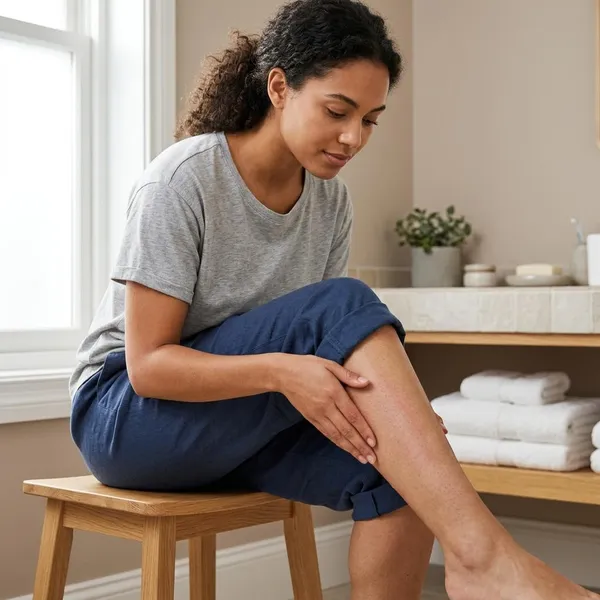
Normal reactions should be mild, local, and improving. Redness, warmth, slight tenderness, and small bumps around follicles can happen after at-home laser or IPL because the follicles have absorbed light energy.
Mild redness
Light pinkness or a flushed look is common, especially where hair is coarse. It often fades within a few hours, though sensitive areas may stay pink into the next day.
If redness is slowly fading, keep the area cool and simple. If it becomes darker, painful, or spreads beyond where you treated, do not use the device again on that area until you know what is happening.
Temporary warmth
A sun-warmed feeling for a few hours can be normal. It is more likely after treating dense hair or larger areas, such as lower legs or chest.
Slight sensitivity
Sensitivity can show up as prickling, tenderness, or a sting when clothing touches the skin. For a low-risk situation, such as mild leg redness after a short session, loose clothing and moisturizer may be enough. For a higher-risk situation, such as facial skin that burns when you apply even a basic product, stop actives and give the skin more recovery time.
Mild swelling around follicles
Tiny raised bumps around follicles can appear after treatment and usually settle within a day or so. Do not pick, squeeze, scrub, or try to force shedding hairs out; treated hairs can take days or weeks to release naturally.
When can you return to your normal routine?
Use the skin itself as your main timer. If it still feels warm, looks red, stings, or reacts when touched, wait. If it looks and feels normal, you can usually return gradually to showering, exercise, shaving, exfoliation, and stronger skincare.
Showering once heat sensitivity settles
A lukewarm or cool shower is usually fine once the treated area is no longer heat-sensitive. Keep it short, avoid steam, and pat dry instead of rubbing.
Hot showers are the common mistake here. They may feel harmless, but they can restart redness on skin that was already beginning to calm down.
Exercise once redness and irritation are gone
Wait until redness and irritation are gone before intense workouts. Sweat, heat, and tight sportswear can be rough on treated underarms, bikini line, inner thighs, chest, or back.
- Usually fine sooner: easy walking in a cool setting.
- Better to delay: hot yoga, spinning, interval runs, heavy sweating.
- Not worth pushing: exercise that makes the area sting or flush again.
Shaving once the skin feels calm
Shaving between sessions is usually the right hair-removal method because it leaves the root in place for laser or IPL to target. Wait until redness, swelling, and tenderness have cleared, then use a clean razor and gentle pressure.
Avoid waxing, plucking, and threading between sessions unless your device instructions say otherwise. Pulling the hair from the root can make the next treatment less useful.
Exfoliating only after the skin has recovered
Do not exfoliate while the area is still tender or pink. Many people wait several days before using a soft washcloth, mild scrub, or chemical exfoliant, and sensitive skin may need longer.
Once shedding starts, gentle exfoliation can help loosen dead hairs, but it should never feel like you are scrubbing the result into happening. If the skin turns pink again, stop and wait.
Active skincare when sensitivity has cleared
Retinoids, exfoliating acids, benzoyl peroxide, strong vitamin C, and similar actives should wait until the area feels fully normal. On the face, keep things basic for a day or two: mild cleanser, simple moisturizer, and sunscreen.
How to prepare your skin for the next session
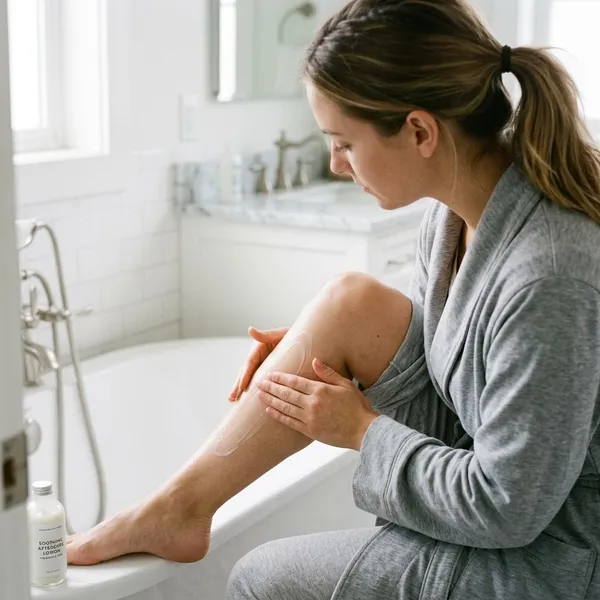
The next session goes better when the skin has fully recovered from the last one. Between treatments, focus on a calm skin barrier, a stable skin tone, and correct shaving before you use the device again.
Keep the skin moisturized
Use a simple fragrance-free moisturizer regularly, especially after bathing or whenever the area feels dry. This is most useful for larger areas like legs and arms, where dryness and shaving can build up between sessions.
Avoid tanning
Avoid deliberate tanning, tanning beds, and self-tanner unless your device instructions clearly allow it. More pigment in the skin can raise the chance of irritation, burns, or uneven discoloration with light-based devices.
If you are doing treatments through summer, be stricter with sunscreen and covered clothing on exposed areas. Year-round users still need the same rule, but summer makes accidental tanning much easier.
Watch for lingering irritation
Check the area in good light the day before your next session. If it still looks patchy, feels sore, itches, or reacts when you press it lightly, postpone treatment instead of forcing the schedule.
Shave as directed before treatment
Follow your device's shaving timing, because some devices recommend shaving the same day while others suggest doing it earlier. The goal is short surface hair, clean dry skin, and no heavy product residue.
- Use a clean razor.
- Do not shave over broken or irritated skin.
- Remove deodorant, rich creams, and fragranced lotions before treatment.
- Do not wax or pluck before the next session.
Conclusion
The safest practical rule is simple: return to normal only when the treated area looks calm, feels cool, and does not sting when touched. Cooling, gentle moisturizer, loose clothing, and sun protection handle most mild reactions, while heat, friction, tanning, and strong skincare are the things most worth avoiding. If symptoms are intense, worsening, or not settling as expected, pause the device and treat that as a skin warning rather than a routine aftercare issue.
FAQS
Can you shower after at-home laser hair removal?
Yes, once the skin is no longer heat-sensitive. Choose lukewarm or cool water, and avoid steam or scrubbing if the area still feels tender.
Can you put lotion on after IPL hair removal?
Yes, use a plain fragrance-free lotion or alcohol-free aloe gel. If it stings, rinse it off and wait until the skin is calmer before trying again.
When can you shave after at-home laser hair removal?
Shave when redness, swelling, and tenderness have cleared. Use shaving rather than waxing or plucking so the follicle target remains in place for future sessions.