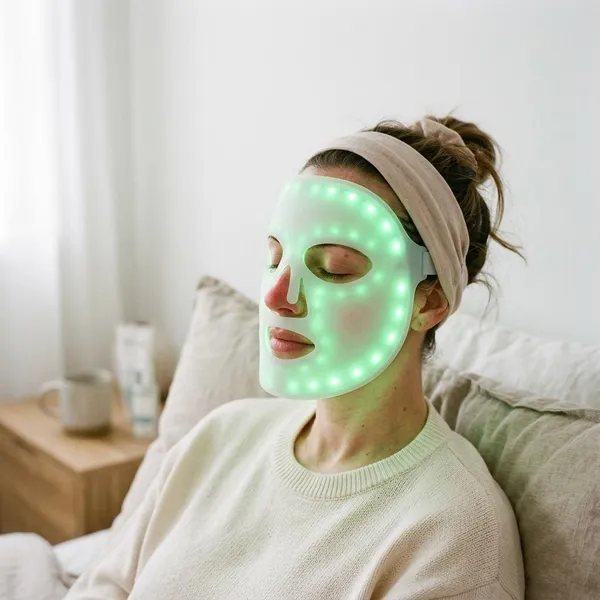
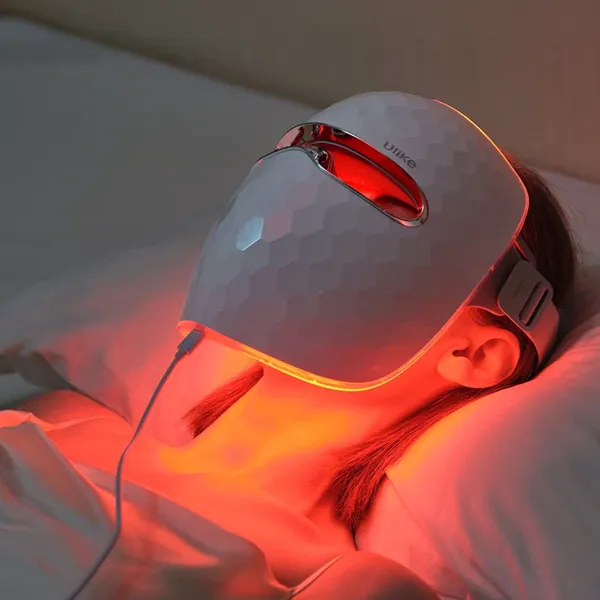
Can You Use a Face Mask Under LED Light Therapy?
For most at-home LED face masks, you should not put a sheet mask, thick cream, oil, or heavy serum underneath. Clean, bare, fully dry skin is usually the safest and most useful starting point because the light has a clearer path, the mask stays cleaner, and irritation is easier to spot.
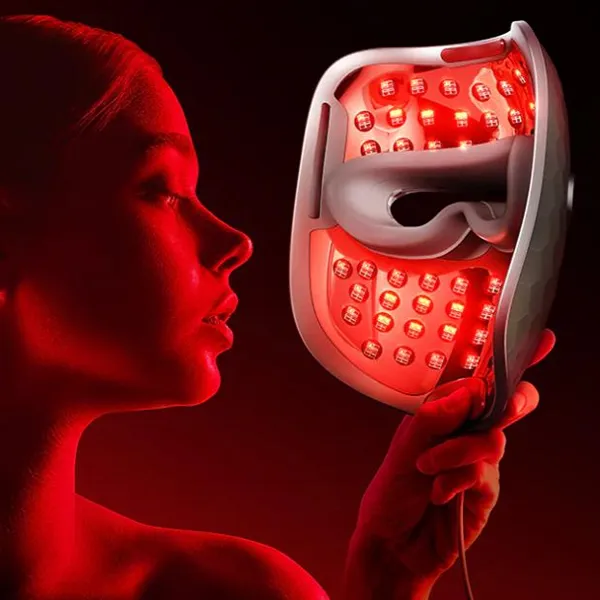
Why clean bare skin is usually best for LED therapy
The first thing to check is simple: is there anything sitting between the LED mask and your skin? If the answer is yes, it is usually better to remove it unless your device instructions specifically say that product is safe to use with the mask.
That does not mean skincare has no place in the routine. It usually belongs after the LED session, when you can apply a hydrating serum, moisturizer, or sheet mask without affecting the treatment step.
Light reaches the skin without extra product layers
LED masks are designed to shine light onto the skin at close range. A sheet mask, balm, facial oil, or thick moisturizer can create an uneven layer that may scatter, block, or reduce how directly the light reaches different areas of your face.
A lightweight watery serum may seem harmless, but it still counts as a product layer unless your device brand says it is compatible. If you are choosing between "maybe helpful" and "definitely clean and consistent," bare skin is the more sensible option.
Clean skin reduces oil and product buildup
Makeup, sunscreen, sweat, and facial oil can transfer onto the inside of the device. That matters if you use the mask several times a week, because small amounts of residue build up quickly and can make the mask feel sticky, less comfortable, or harder to clean.
Bare skin makes irritation easier to notice
When your face is bare, you can tell more clearly whether the LED session feels normal. Mild warmth may be expected with some devices, but stinging, burning, or unusual tightness is easier to judge when there is no retinol, acid, acne treatment, or fragranced mask underneath.
This is especially useful if you are new to LED therapy or your skin is reactive. If redness appears after using three active products and an LED mask in the same routine, it becomes much harder to know what caused the problem.
Dry skin helps keep the device clean
Fully dry skin helps the mask sit more securely and reduces moisture transfer onto the device. After cleansing, pat your face dry and wait a minute if your skin still feels damp around the nose, hairline, or jaw.
What to avoid before using an LED face mask
The highest-risk products before LED are the ones that make skin more sensitive, leave a film, or were never tested with your specific device. If your skin already feels irritated, the better choice is usually to skip the session rather than push through.
Retinoids that make your skin more sensitive
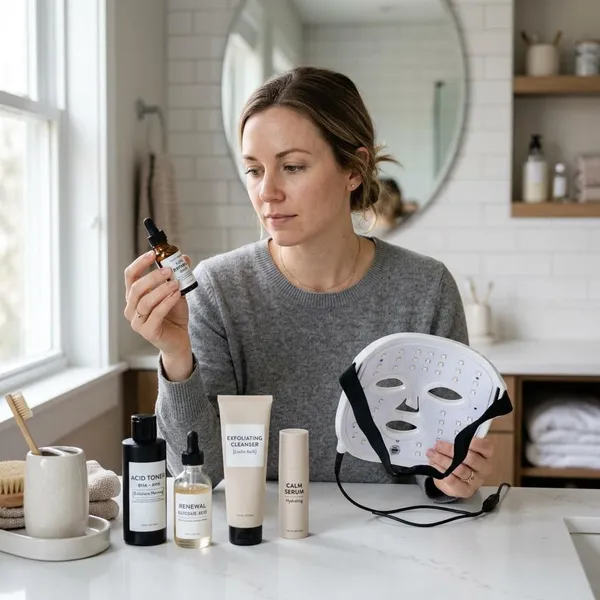
Retinol, retinal, tretinoin, adapalene, and other retinoids can make skin drier or more reactive, especially during the first few weeks of use. Applying them right before an LED mask is usually not the best idea.
If you use retinoids regularly, a calmer setup is to use LED on clean skin and keep retinoids for another night or a different part of the day. If your face is peeling, burning, or sore from retinoids, skip LED until your barrier feels normal again.
Strong exfoliating acids
Glycolic acid, lactic acid, salicylic acid, peel pads, and strong leave-on exfoliants can make skin more sensitive for a while after use. Pairing them immediately with LED may turn a normally comfortable session into one that feels hot, tight, or irritating.
- Occasional exfoliation: keep acids and LED on separate evenings.
- Already irritated skin: pause both and focus on gentle moisturizer.
- Unsure reaction: restart one treatment at a time, not both together.
Harsh acne treatments
Benzoyl peroxide, sulfur masks, drying spot treatments, and prescription acne creams can be too much right before LED, particularly if you are already using a medicated cleanser. Acne-prone skin often does better with consistency than with stacking every treatment in one evening.
Thick or occlusive skincare products
Slugging balms, petrolatum-heavy creams, facial oils, sleeping masks, and rich sheet masks are better saved for after the LED session. Under the device, they can make the mask slide, leave residue, and reduce direct light contact.
Products not recommended by the device manufacturer
Your device instructions should override social media routines. Some brands want bare skin only, while a few may allow a specific serum. If the product is not mentioned by the manufacturer, treat it as unapproved and use the LED mask on clean, dry skin instead.
This is also where higher-risk situations need extra caution. If you take medication that may increase light sensitivity, have an eye condition, are under dermatology care, or have a medical concern related to light exposure, ask a qualified professional before using an at-home LED device.
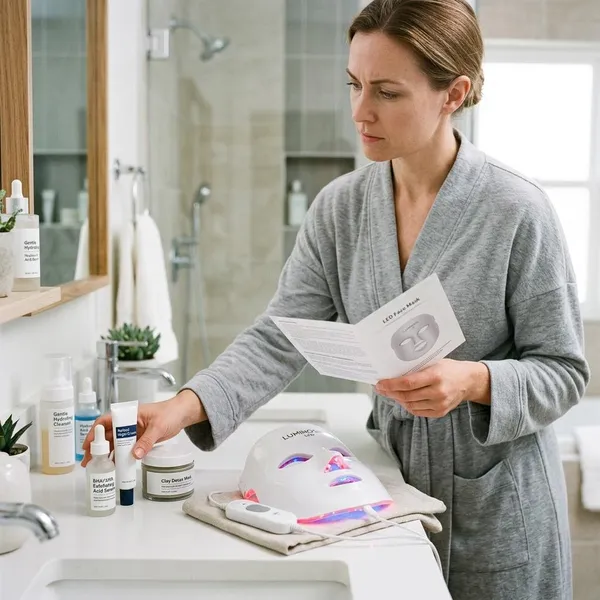
How to use an LED mask with your skincare routine
The easiest order is: cleanse, dry, use the LED mask, then apply skincare. That order keeps the treatment step clean and predictable while still letting you use hydrating or calming products afterward.
Think of LED as a treatment that sits between cleansing and the rest of your routine. It should not turn your routine into a complicated stack of actives, especially if you are using it several times a week.
Cleanse your face gently
Use a mild cleanser that removes sunscreen, makeup, sweat, and oil without leaving your face tight. If you wore long-wear makeup or water-resistant sunscreen, double cleansing can help, but make sure the first cleanser rinses away cleanly.
Avoid scrubs or strong acid cleansers right before LED. The goal is calm, clean skin, not freshly polished skin.
Dry your skin completely
Pat your face dry with a clean towel and check the areas that stay damp longest, such as around the nose, eyebrows, and hairline. If the mask slips or feels sticky, your skin may not be dry enough or there may still be product residue left behind.
Use the LED mask as directed
Follow the device instructions for mode, session length, eye protection, and weekly frequency. Do not assume a longer session is better; at-home LED devices are meant to be used within the brand's recommended limits.
- Start with clean, dry skin.
- Check that you have not just used strong actives.
- Run the session for the recommended time.
- Stop if you feel burning, pain, or unusual discomfort.
- Clean the device as directed before storing it.
For someone using LED only once in a while before an event, keeping it simple helps avoid surprise redness. For someone using it long term for acne, redness, or texture, staying within the instructions matters more than trying to intensify each session.
Apply serum and moisturizer afterward
After the LED session, choose gentle, supportive skincare. Hydrating serums, plain moisturizers, ceramides, glycerin, hyaluronic acid, and niacinamide are common options if your skin already tolerates them.
If you enjoy sheet masks, this is the better time to use one. Put the sheet mask on after LED for extra hydration instead of wearing it underneath the device.
Finish with sunscreen during the day
If you use your LED mask in the morning or before going outside, finish with sunscreen. LED is not the same as UV exposure, but sun protection still matters, especially if your routine includes retinoids, exfoliating acids, or brightening products.
Conclusion
The safest routine is usually the simplest one: clean, dry skin first, LED mask second, skincare afterward. If a product has not been approved for use with your device, do not put it underneath the mask; save your serum, moisturizer, or sheet mask for after the session, when it can support your skin without getting in the way.
FAQS
Can you use retinol on the same day as an LED face mask?
Sometimes, but avoid putting retinol on right before LED. If your skin tolerates both, separate them by time or use them on alternate nights; if your skin is flaky or stinging, skip one or both.
Does your face need to be completely dry before LED therapy?
Yes, for most at-home LED masks your face should be fully dry. Check damp areas around the nose, brows, and hairline before putting the device on.
What should you put on your face after LED light therapy?
Use gentle hydration first, such as a simple serum or moisturizer. Keep strong acids, retinoids, and drying acne treatments out of the immediate after-step unless a professional has told you otherwise.
When should you avoid using an LED face mask?
Avoid it when your skin is sunburned, peeling, painfully irritated, or reacting to strong products. Also get medical advice first if you have light sensitivity concerns, relevant medications, eye issues, or a skin condition that needs professional care.