Do LED Face Masks Really Work for Skin Concerns?
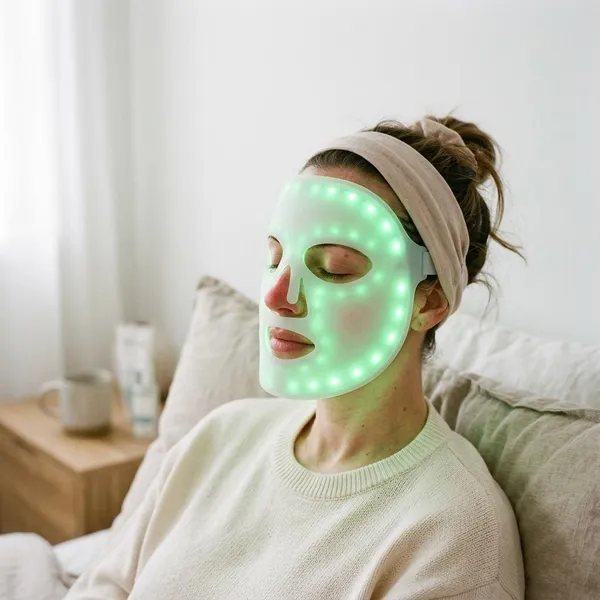
LED face masks can work, but they are best for modest, gradual improvements rather than dramatic skin changes. They make the most sense if your main concern is mild acne, early fine lines, uneven texture, or visible redness—and if you will actually use the mask on schedule for several weeks.
Do LED face masks really work?
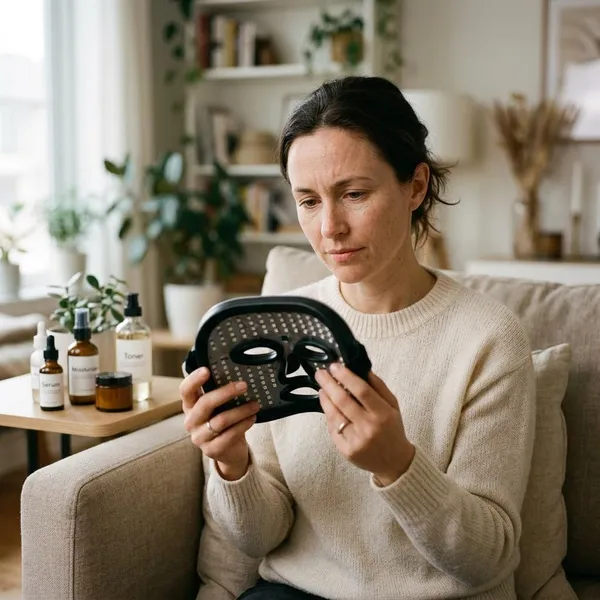
For many people, yes, but the word "work" needs a realistic definition. An at-home LED mask may help skin look calmer, clearer, or a little smoother over time. It is not a quick fix for severe acne, deep wrinkles, or stubborn pigmentation.
The first thing to check is whether your skin concern matches the light setting. Blue light is usually chosen for acne-prone skin, red light for early signs of aging, and near-infrared for deeper calming or recovery support. The second thing to check is whether the device is comfortable enough to use regularly, because a mask that sits unused in a drawer will not do much.
They can improve some skin concerns
LED masks are most useful for mild, recurring concerns: a few inflamed breakouts, skin that often looks flushed, early fine lines, or dull texture. If your skin is already fairly healthy and you want a low-effort maintenance step, the results may feel worthwhile.
If you are dealing with painful cystic acne, deep wrinkles, or a medical skin condition, treat the mask as support rather than the main solution. That is the point where professional advice usually matters more than buying a stronger-looking gadget.
Results are usually gradual and modest
Expect small changes first: fewer angry-looking spots, less visible redness after irritation, or skin that looks a bit smoother in the same lighting. Those changes often take weeks, not days, because LED therapy supports skin processes rather than forcing an instant resurfacing effect.
Consistent use matters most
A mid-range mask used properly three or four times a week will usually be more useful than an expensive mask used once in a while. The practical test is simple: if you cannot see yourself using it while watching TV, reading, or winding down at night, it may not be the right purchase.
How do LED face masks work?
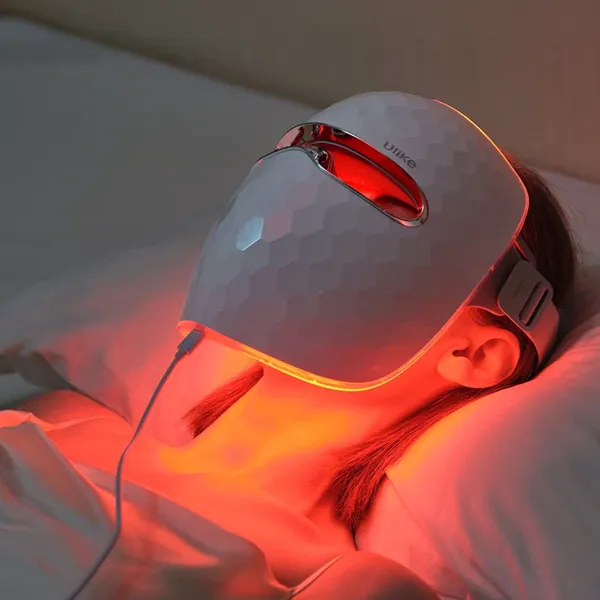
LED face masks use specific wavelengths of light aimed at the skin. Different wavelengths interact with the skin in different ways, which is why the color setting matters. The mask should sit close enough to give even coverage, but it should not feel hot, painful, or irritating.
At-home masks are designed to be gentler than many professional treatments. That makes them convenient, but it also means the results are usually slower and less intense.
Red light targets skin renewal
Red light is commonly used for early aging concerns because it is linked with skin renewal and collagen-supporting processes. It is a better fit for fine lines, mild dullness, and texture than for active acne bacteria.
Blue light targets acne-causing bacteria
Blue light is usually the most practical choice for mild inflammatory breakouts because it targets acne-causing bacteria near the skin surface. It may help if you get small recurring pimples on the chin, forehead, or cheeks.
It is less reliable for acne driven mainly by hormones, deep cysts, or irritation from too many products. In that case, the better first move may be simplifying your routine or speaking with a dermatologist.
Near-infrared light reaches deeper tissue
Near-infrared light reaches deeper than visible red or blue light and is often included for recovery, comfort, and inflammation support. The visible results may be subtle, but people with easily stressed skin may find it useful when the mask is gentle and used carefully.
Different wavelengths produce different effects
The best LED setting depends on the problem you want to solve:
- Breakouts: look for blue light, sometimes paired with red light.
- Fine lines or dullness: red light is usually the better match.
- Redness or reactive skin: near-infrared or redness-focused settings may be more relevant.
- Mixed concerns: choose a mask with separate settings rather than using every mode without a plan.
What can LED face masks help with?
LED face masks are best judged as a maintenance tool. They can support clearer, calmer, smoother-looking skin, but they work within limits. The closer your concern is to mild acne, early aging, or temporary inflammation, the more reasonable your expectations are.
Mild acne and breakouts
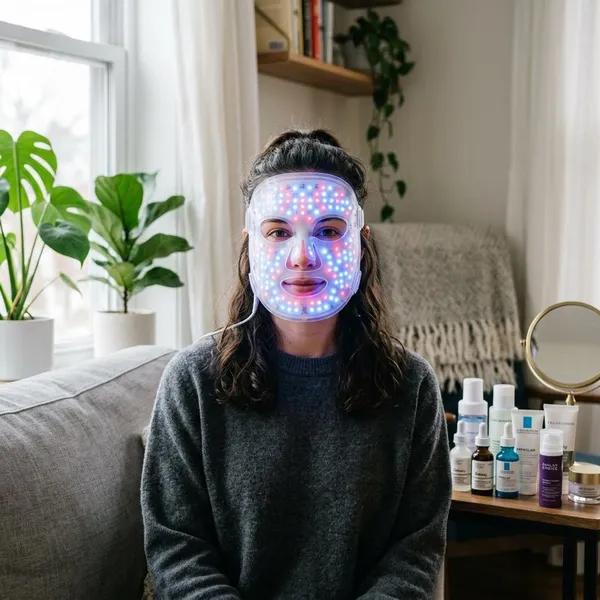
For someone who gets a few inflamed pimples every month, blue light may reduce how often breakouts flare or how angry they look. It works best as part of a simple routine, not as a rescue treatment after skin is already irritated.
A mask is not a good substitute for medical acne care if spots are painful, scarring, widespread, or cystic. In that situation, waiting months for a home device to maybe help can delay treatment that may work better.
Fine lines and early signs of aging
Red light may help soften the look of early fine lines and improve overall skin quality. The change is usually more "my skin looks fresher" than "my wrinkles disappeared."
Skin texture and tone
Texture and tone often improve indirectly. If breakouts calm down and redness is less obvious, the skin surface can look more even. Red light may also make dull skin look a little smoother with steady use.
Use consistent photos if this is your main goal. Texture changes are easy to miss day to day, especially if you check your skin in different mirrors or lighting.
Redness and inflammation
LED may help skin look calmer, especially when redness comes from temporary irritation or post-breakout inflammation. If your redness is persistent, flushing, burning, or linked to a diagnosed condition, be more cautious and ask a professional before relying on a home mask.
How to get better results from an LED face mask
The easiest way to improve your chances is to keep the routine boring: clean skin, the right setting, the recommended schedule, and minimal extra irritation. Most disappointing results come from using the mask randomly, using it over products, or expecting it to fix problems it was not designed for.
Start with clean, dry skin
Use the mask after cleansing and drying your face. Makeup, sunscreen, facial oil, and thick creams can make treatment less even. You do not need to scrub first; over-cleansing can make sensitive skin more reactive.
Follow the recommended treatment schedule
Use the schedule given for your specific device. Some masks are designed for short frequent sessions, while others are not. If your skin feels hot, tight, or unusually irritated afterward, reduce frequency and keep your routine gentle.
Use the mask consistently
Consistency matters more than intensity. A realistic plan might be using the mask on quiet evenings several times a week, rather than promising yourself a perfect daily routine and stopping after five days.
If you only want a mask for occasional "bad skin days," it may not be worth the money. LED works better as a steady habit than as an emergency fix.
Keep the rest of your skincare routine simple
Do not add a new LED mask, retinoid, exfoliating acid, acne treatment, and serum all in the same week. If your skin improves or gets irritated, you will not know what caused it.
A gentle cleanser, moisturizer, and daytime sunscreen are enough while you test whether the mask suits your skin. Add stronger products slowly once you know your skin tolerates the device.
Track changes over time
Take a photo every two weeks in the same light and note what you are watching: fewer pimples, less redness, smoother texture, or softer-looking lines. This prevents two common mistakes: quitting too early because the changes are subtle, or assuming the mask works when another routine change did the heavy lifting.
Conclusion
LED face masks are worth considering if your goals are mild, your expectations are realistic, and you are willing to use the device regularly. Choose one based on your main concern, not the longest feature list, and skip the purchase if you need fast, dramatic, or medical-level results.
FAQS
Can you use an LED face mask every day?
Only if your device instructions say daily use is appropriate. If your skin becomes dry, warm, or irritated, use it less often and simplify your routine.
Are LED face masks safe for sensitive skin?
Many sensitive-skin users tolerate LED masks, but start slowly and avoid pairing sessions with harsh exfoliants at first. If your skin condition is active or unpredictable, ask a dermatologist before starting.
Can LED face masks replace professional treatments?
Usually not. Home masks are better for maintenance and mild concerns, while professional treatments may be more suitable when you want stronger, faster, or more targeted results.