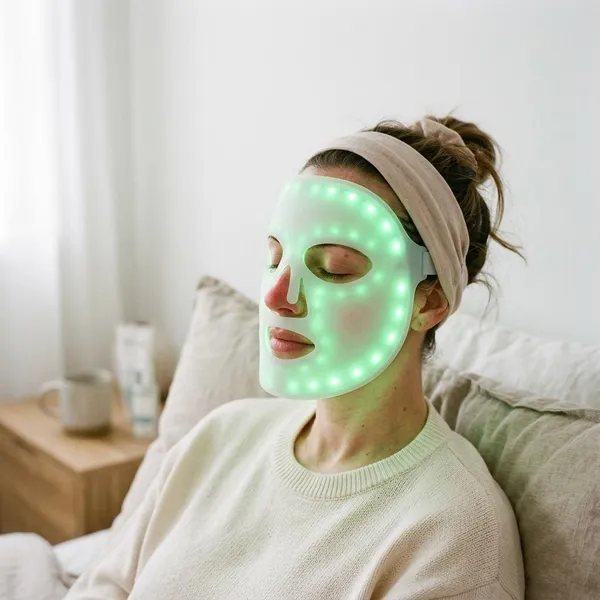
Which FDA-Cleared Red Light Masks Are Best at Home?
If you are comparing fda cleared red light therapy masks, start with three checks: the exact FDA 510(k) record, whether the cleared intended use matches your skin goal, and whether the mask is comfortable enough to use regularly. Ulike ReGlow is the stronger fit if you want full-face coverage and multiple light options, while SolaWave Wrinkle Retreat Pro makes more sense if you prefer a simpler, portable routine.
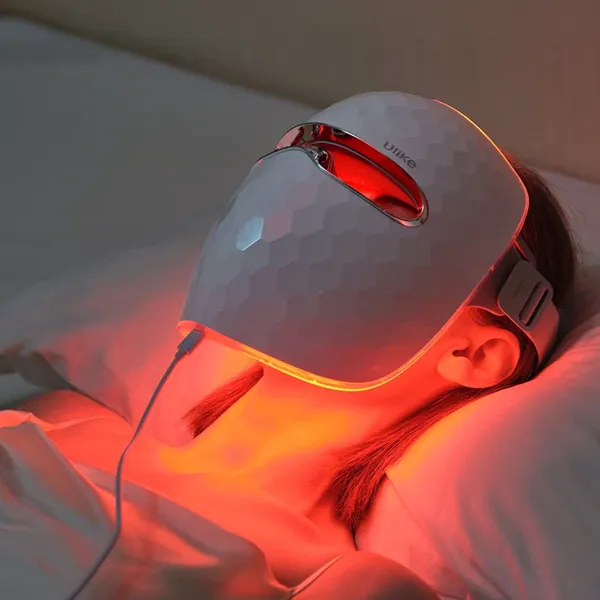
Best FDA-cleared red light therapy masks
The best mask is not always the one with the longest feature list. For most at-home buyers, the better choice is the device that matches one clear skin goal, has FDA clearance you can verify, and feels easy enough to use several times a week as directed.
| Mask | Best fit | What to check before buying |
| Ulike ReGlow | Users who want full-face coverage, multiple wavelengths, and mode options for more than one skin concern. | Confirm the 510(k) record, intended use, wavelength details, and session instructions from official sources. |
| SolaWave Wrinkle Retreat Pro | Users who want a simpler, more portable LED mask mainly for visible aging concerns. | Check the cleared intended use, fit, treatment area, and whether the routine is realistic for you. |
Why Ulike ReGlow stands out
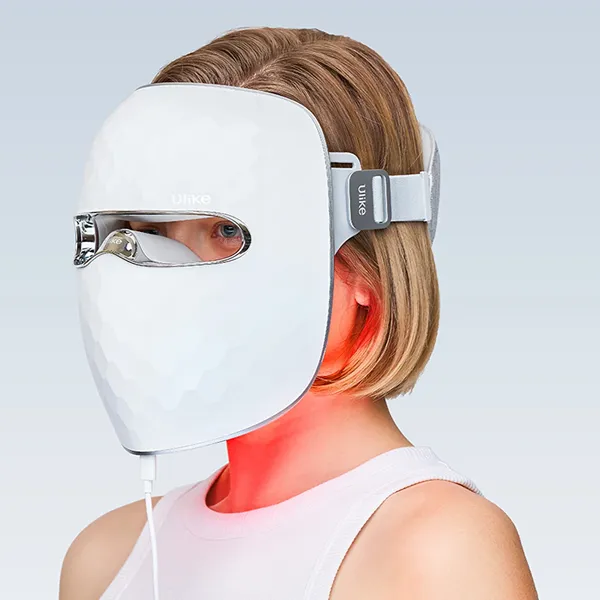
Ulike ReGlow stands out because it combines the features many at-home users usually have to compare separately: FDA clearance that should be traceable, multiple light options, full-face coverage, and a design meant for repeat use. That mix matters most for someone buying a device for months of routine care, not for a one-week trial.
Verifiable FDA 510(k) clearance
The strongest reason to pay attention to ReGlow is the possibility of verifying its FDA 510(k) clearance instead of accepting a vague claim. Look for the specific 510(k) number, then match the device name, manufacturer, and intended use in the FDA database.
Multiple light wavelengths in one mask
Multiple wavelengths are useful when your skin concerns are not neatly separated. ReGlow combines multiple wavelengths for different skincare goals. Its FDA-cleared intended uses, however, are specifically the treatment of full-face wrinkles and mild to moderate inflammatory acne; other benefits related to tone or radiance are cosmetic claims from the brand rather than additional FDA-cleared indications.
Different modes for different skin concerns
Mode options make the device easier to adapt. ReGlow offers four modes for different skincare goals. However, its FDA-cleared intended uses specifically cover full-face wrinkles and mild to moderate inflammatory acne. Other mode-related benefits, such as improving the appearance of uneven tone or dullness, should be treated as brand-stated cosmetic benefits rather than additional FDA-cleared indications.
The mistake to avoid is treating modes like a shortcut. More modes do not mean faster results; they simply give you more ways to match the session to your current goal.
Full-face LED coverage
Full-face coverage is practical if your concern is spread across the forehead, cheeks, jawline, or around the mouth. It saves you from moving a small device from area to area, which can make the routine easier to keep up with.
Comfortable design for regular use
Comfort is not a small detail with LED masks. If a mask presses, slips, feels heavy, or blocks too much of your normal evening routine, it is likely to end up in a drawer.
What does FDA cleared mean for an LED face mask?
FDA cleared means the device has gone through a regulatory review pathway, commonly 510(k), and was found substantially equivalent to a legally marketed device for a specific intended use. It does not mean the FDA approved every beauty claim, and it does not guarantee the same visible result for every user.
For shoppers, the useful takeaway is simple: clearance is meaningful, but narrow. It helps you separate a traceable device claim from broad marketing language, especially in a category where "tested," "registered," and "cleared" are often placed close together.
FDA clearance is based on substantial equivalence
Substantial equivalence means the manufacturer shows that the device is similar enough to an already legally marketed device in areas such as intended use and safety profile. It is not the same as proving that every advertised skincare benefit will happen for every person.
Clearance applies to specific intended uses
FDA clearance applies to the intended use described in the clearance record. If a mask's marketing mentions wrinkles, acne, redness, glow, and texture, but the cleared use is narrower, the official clearance should not be stretched to cover every claim.
How to choose an FDA-cleared red light therapy mask
Choose in this order: skin goal first, FDA-cleared intended use second, comfort and routine fit third. Price, color names, and beauty claims are less useful if the device does not match the reason you are buying it.
A cautious buyer with sensitive skin, a current skin condition, recent procedures, or photosensitizing medications should be more careful and may want professional advice before starting at-home LED therapy. A low-risk user buying for mild visible aging has more room to focus on convenience and fit.
Start with your main skin concern
Pick one primary goal before comparing devices. Fine lines, uneven tone, breakouts, and redness can point you toward different product claims and different intended uses.
- Simple aging support: a focused red or red/NIR device may be enough.
- Mixed cosmetic concerns: ReGlow offers multiple wavelengths and modes for different skincare goals, but its FDA-cleared intended uses specifically cover full-face wrinkles and mild to moderate inflammatory acne.
- Sensitive or reactive skin: prioritize instructions, caution notes, and professional guidance over extra modes.
Check the FDA-cleared intended use
The cleared intended use should line up with your reason for buying the mask. If your goal is wrinkle support, look for language that fits that concern rather than assuming a broad skincare claim is covered.
When two masks look similar, this check can break the tie. The device with the clearer regulatory match is usually the safer choice than the one with louder marketing.
Compare wavelengths and light modes
Wavelengths and modes tell you how focused or flexible the mask is. You do not need to memorize technical ranges, but you should know whether the device is designed around one main use or several.
Ask one practical question: will you use the extra settings, or are you paying for complexity? Someone who wants a quick anti-aging routine may prefer simplicity, while someone planning long-term use across changing skin concerns may appreciate more options.
Choose a comfortable fit
A mask that looks powerful on paper can still fail if it is uncomfortable. Before buying, check product photos and reviews for clues about weight, strap adjustment, eye comfort, pressure points, and whether the mask sits evenly on different face shapes.
Consider how easily it fits your routine
The best routine is the one you can repeat without negotiating with yourself every night. If you travel often, share a small bathroom, or hate charging extra devices, a compact mask may beat a more advanced one. If you already have a steady evening routine and want broader coverage, a full-face device may fit just fine.
- Before checkout: confirm session length, frequency, charging, storage, and cleaning.
- After purchase: follow the brand's timing instructions instead of increasing use to chase faster results.
- If you stop after two weeks: the issue may be routine friction, not the technology itself.
How to verify FDA clearance before buying
Do not treat an FDA-related badge as enough proof. Verification takes only a few checks, and it protects you from buying a mask whose regulatory language is vague, outdated, or attached to a different product.
Look for a specific 510(k) number
Start on the brand's official product page, support documents, packaging information, or FAQ. You are looking for a specific 510(k) number or a clear device reference, not just phrases like "FDA registered" or "FDA compliant."
Check the FDA 510(k) database
Search the FDA 510(k) database using the number, manufacturer, or device name. If you cannot find a matching record, pause before buying and ask the brand for clarification.
This step is especially useful when a product has several versions, regional names, or similar-looking models sold through different stores.
Match the device and manufacturer
The listing should match the mask you plan to buy closely enough that you do not have to guess. Check the product name, manufacturer, and model details where available.
- Clear match: product and manufacturer details line up with the listing.
- Unclear match: names are similar but not identical, or the listed manufacturer is different.
- Red flag: the brand claims clearance but gives no way to connect the claim to the product.
Review the cleared intended use
Read the intended use language before deciding. If the FDA record covers one specific purpose and the product page promises much more, separate the verified claim from the marketing claim.
Conclusion
Ulike ReGlow is the better match if you want a more flexible full-face mask and can verify the FDA 510(k) details against your skin goal; SolaWave Wrinkle Retreat Pro is easier to justify if portability and simplicity matter more than multiple modes. The smartest purchase is not the mask with the biggest promise, but the one with a clear clearance record, a realistic routine, and a use case that actually fits your skin.
FAQS
Is Ulike ReGlow FDA cleared?
Yes, Ulike ReGlow is presented as FDA cleared. Before buying, verify the specific 510(k) number, manufacturer, device name, and intended use so you know the claim applies to the exact mask you are considering.
How often should you use Ulike ReGlow?
Follow Ulike's own instructions for session length and frequency. Using an LED mask more often than directed is not a smart shortcut, especially if your skin is sensitive or recently treated.
Is FDA cleared the same as FDA approved?
No. FDA cleared usually refers to the 510(k) pathway for devices found substantially equivalent to a legally marketed device, while FDA approved is a different regulatory standard used for other types of products or higher-risk devices.