When Will At-Home Laser Hair Removal Work?
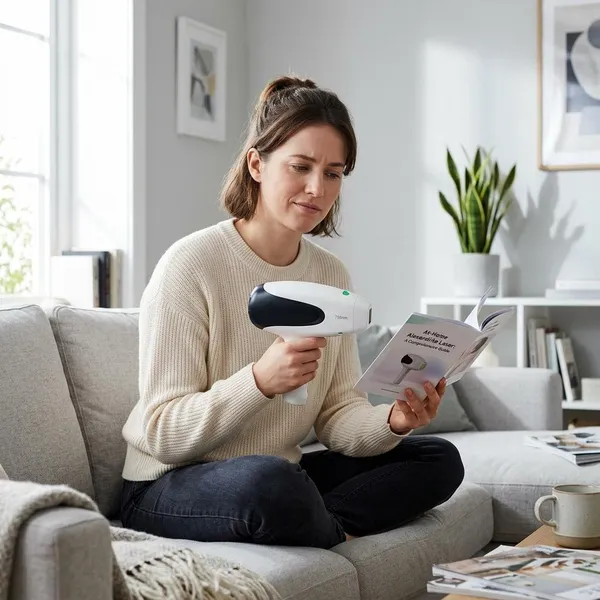
At-home IPL usually takes a few weeks to show early change and about 8 to 12 weeks of steady use to judge real hair reduction. If you are asking how long does at home laser hair removal take, the honest answer is: quick sessions, gradual results, and better progress when your hair color, skin tone, and schedule all fit the device.
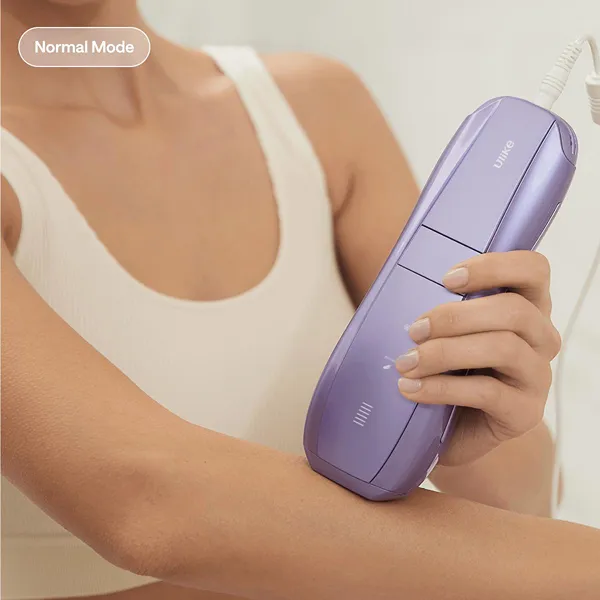
How long does at-home IPL take to work?
At-home IPL does not usually make hair disappear after one or two sessions. The first useful sign is often slower regrowth after shaving, followed by softer hair, patchier return, and eventually less visible density.
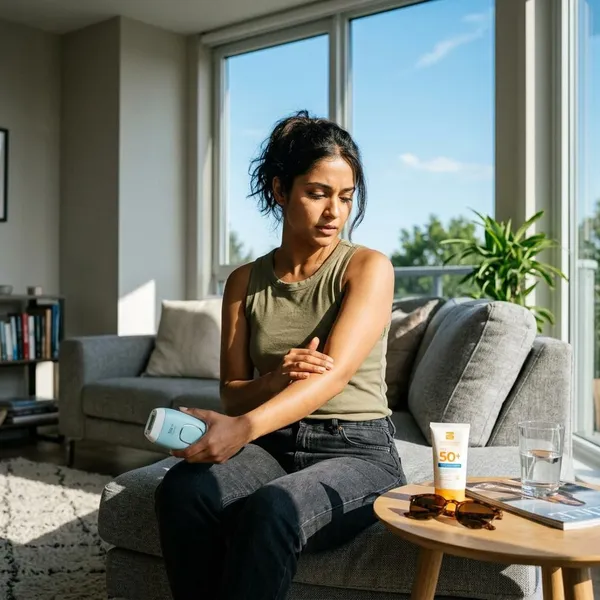
The first thing to check is whether you are a good match for IPL at all. It tends to work best when there is enough contrast between the hair pigment and the skin tone, while very light blond, gray, red, or white hair may respond poorly. If your skin tone or hair color is outside the device's supported range, spending more weeks on treatment may not solve the problem.
Early changes can appear within the first few weeks
Early progress often looks subtle: stubble takes longer to come back, shaving feels easier, or one patch starts looking less dense than the area beside it. That is still a real sign of movement, even if the skin is not yet smooth for days at a time.
Hair reduction builds with repeated treatments
IPL works over repeated sessions because hairs are not all in the same growth phase at once. One treatment can only affect part of the active growth cycle, so a regular routine matters more than doing a few random sessions and hoping for a big jump.
- Best-case scenario: dark, coarse hair on a supported skin tone, used on schedule.
- Slower scenario: dense bikini-line or facial hair, especially if hormones affect regrowth.
- Poor-fit scenario: very light or gray hair, where IPL may have little pigment to target.
Full progress takes longer than the first visible results
Seeing less stubble after two or three weeks does not mean the treatment cycle is finished. For most people, the fair test is whether the area looks and feels easier to maintain after the full initial routine, often around 8 to 12 weeks depending on the device and body area.
Maintenance helps manage later regrowth
Maintenance is normal with at-home IPL. After the initial reduction phase, occasional touch-ups help keep returning hair from becoming dense again, especially on areas that naturally regrow faster.
- Finish the starting routine first. Stopping as soon as hair looks thinner can leave untreated follicles behind.
- Watch each area separately. Legs may stay smooth longer than underarms or the bikini line.
- Touch up early. A short session when regrowth first appears is easier than waiting until the area feels back to normal.
How quickly can Ulike Air 10 show results?
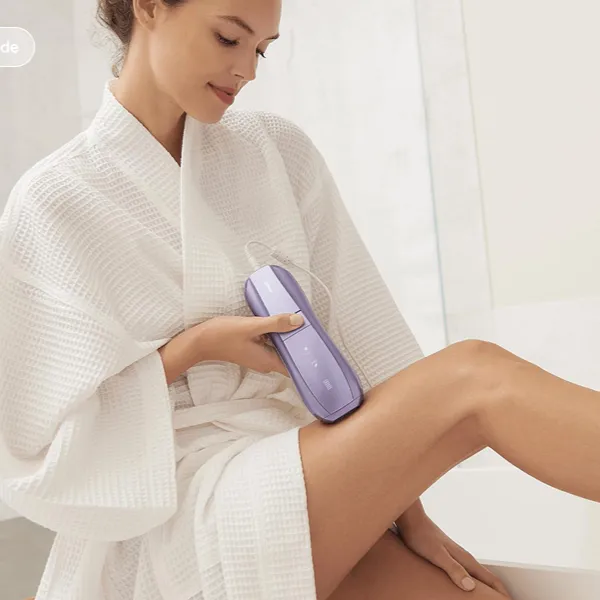
Ulike Air 10 is positioned for faster visible progress than many people expect from home IPL, with early changes possible in as little as two weeks for some users. That should be read as early visible improvement, not complete clearance.
The most realistic expectation is that the first change will be about regrowth speed and texture. If your hair grows back softer or less evenly after shaving, the device may be starting to work even though you still need the full routine.
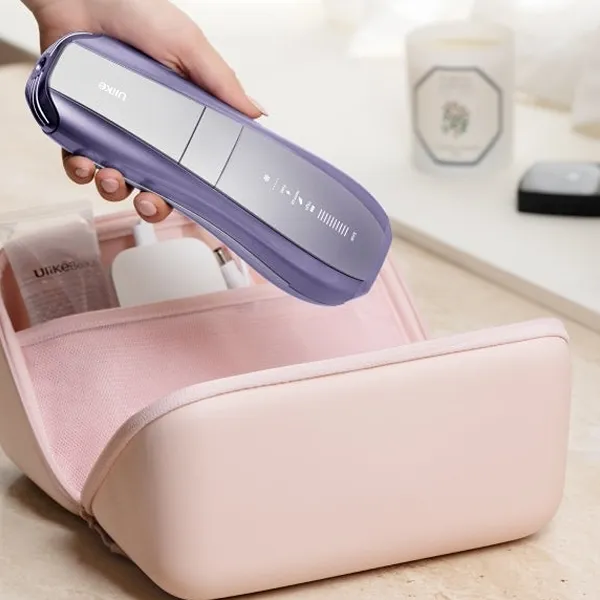
Visible results can appear in as little as two weeks
Some users may see visible change in two weeks, especially when treating dark, noticeable hair on a compatible skin tone. The change may be easier to spot on underarms or lower legs because those areas are simple to compare after shaving.
The first four weeks use a more frequent schedule
The early Ulike Air 10 routine is more frequent because the first month is meant to build momentum. Treating three times per week gives the device more chances to reach hairs as they move through active growth phases.
This schedule is easier if you make it specific rather than vague. For example, Monday, Wednesday, and Saturday evenings is more practical than telling yourself you will "fit it in sometime." What you should not do is add extra sessions beyond the instructions because more flashes do not automatically mean better results.
How often should you use Ulike Air 10?
The usual routine is three treatments per week for the first four weeks, then one or two maintenance sessions per month afterward. That rhythm is one of the biggest differences between buying a home device and booking clinic appointments: you need to be consistent yourself.
Before starting, check three things in order: your skin tone and hair color compatibility, the recommended schedule in the manual, and how your skin reacts on a small area. If any of those are wrong, pushing through the routine is not a smart shortcut.
Three treatments per week for the first four weeks
Three sessions per week works best when the routine is realistic enough to repeat. If you are treating only underarms and bikini line, it may feel easy to keep up. If you plan full-body sessions every time, set aside enough time for shaving, clean skin, and careful coverage so you do not start skipping areas.
One or two maintenance sessions per month afterward
After the first phase, maintenance usually becomes much lighter. One or two sessions per month may be enough for many users, but the right spacing depends on how quickly each area starts to show new growth.
Thicker hair may need schedule adjustments
Thicker, darker hair can be a good target for IPL because it contains more pigment, but dense hair may still take longer to look reduced. Coarse bikini-line hair, for example, may need more patience than lower-leg hair even when both are being treated correctly.
- If hair is responding: keep the schedule steady until the initial phase is complete.
- If one area lags: compare it separately instead of assuming the whole routine failed.
- If skin feels irritated: pause and follow the device instructions rather than increasing intensity.
How long does each Ulike Air 10 session take?
There are two timelines to separate: the weeks needed for visible reduction and the minutes needed for each session. Ulike Air 10 is designed for short treatments, with full-body sessions promoted as taking about 10 minutes under efficient conditions.
Real session time depends on the area, mode, preparation, and how carefully you move around curves. Shaving beforehand is part of the routine, so a "10-minute" treatment can take longer if you are starting from unprepared skin.
Full-body sessions can take about 10 minutes
A full-body session can take about 10 minutes when you are prepared, familiar with the device, and moving efficiently. In early sessions, it is normal to go slower while learning angles, pressure, and coverage.
Small areas take less time
Small areas such as the upper lip, chin, underarms, fingers, or toes are usually quick enough to handle even on a busy night. They are also good starter areas if you want to test whether at-home IPL fits your routine before committing to legs or full body.
AutoGlide speeds up large-area coverage
AutoGlide is useful on broad areas because it reduces the stop-and-flash feeling that makes home IPL tedious. Legs and arms are the obvious examples: a smoother glide can make coverage feel more controlled and less easy to abandon halfway through.
Speed still should not come at the cost of missed strips. If your results look patchy in straight lines or random sections, the issue may be coverage rather than the device itself.
Treatment time depends on the area and mode
A simple way to estimate your routine is to group areas by effort:
| Area type | Typical time feel | Practical note |
|---|---|---|
| Upper lip, chin, underarms | Very quick | Good for beginners or maintenance days. |
| Bikini line, lower arms, lower legs | Moderate | Needs slower movement around edges and curves. |
| Full legs or full body | Longest | Works best with shaved skin and a fixed treatment order. |
What makes Air 10 easier to use consistently?
The hardest part of at-home IPL is often not one session; it is repeating the routine long enough for results to build. Features that reduce discomfort, guesswork, and wasted time can make the difference between using the device properly and letting it sit in a drawer.
Sapphire Ice Cooling manages heat sensation
Sapphire Ice Cooling is meant to make the heat sensation easier to tolerate during treatment. That can be especially helpful for people who are nervous about using IPL on underarms, bikini line, or other more sensitive areas.
SkinSensor adjusts energy for compatible skin tones
SkinSensor can help adjust energy for compatible skin tones, which reduces some of the guesswork for new users. It is still important to check the official compatibility guidance before using the device, because a sensor is not a reason to ignore skin tone limits.
Multiple modes suit different hair types
Multiple modes are useful because one setting rarely feels right everywhere. Lower legs may tolerate a stronger, faster approach, while the bikini line or upper lip may need a more cautious mode.
- Large areas: prioritize speed and even coverage.
- Sensitive areas: prioritize comfort and control.
- Stubborn patches: stay consistent before assuming the mode is wrong.
At-home treatment removes clinic scheduling
At-home treatment removes the booking, travel, and appointment timing that can make clinic routines hard to maintain. That convenience is valuable if your schedule changes often or you prefer small sessions at night instead of planning around appointments.
The trade-off is that you are responsible for the routine. Clinic treatments may be more structured, while home IPL works best for someone willing to follow instructions, track progress, and keep a simple schedule without being reminded by an appointment.
Conclusion
At-home IPL is worth judging by both timeframes: the minutes per session and the weeks needed for reduction. Ulike Air 10 may show early visible changes quickly for suitable users, but the better test is whether you can follow the first four weeks properly, then keep up with light maintenance. If your hair and skin are a good match and the routine fits your life, the gradual timeline becomes much easier to stick with.
FAQS
How many times a week should you use Ulike Air 10?
The common starting routine is three times per week for the first four weeks. Do not treat more often just to rush results; use the schedule recommended for the device.
How long does a full-body Ulike Air 10 session take?
A full-body session can take about 10 minutes in efficient use. Add extra time if you still need to shave, are learning the device, or are working carefully around sensitive areas.
Do you still need maintenance after using Ulike Air 10?
Yes, maintenance is usually needed after the initial treatment phase. One or two touch-ups per month may be enough for some areas, while faster-regrowing zones may need closer attention.