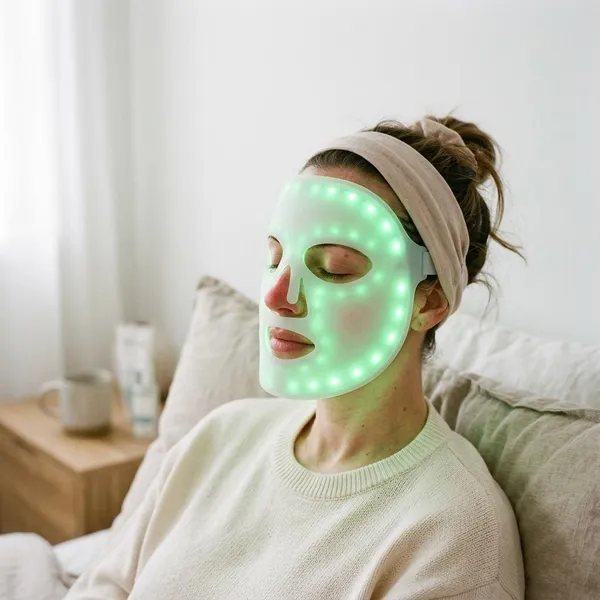
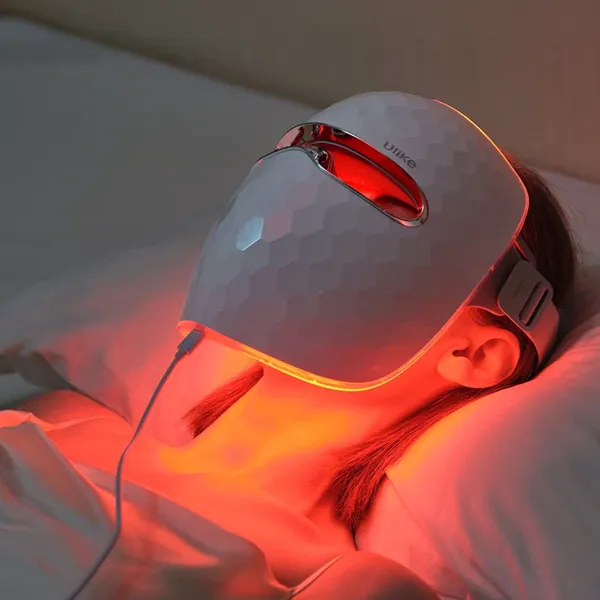
How Can You Safely Clean a Red Light Therapy Mask?
The safest way to clean a red light therapy mask is to wipe it gently, not wash it. Start by turning it off, checking the brand's care instructions, and using the mildest approved method so you remove oil and skincare residue without pushing moisture into the LEDs, seams, ports, or straps.
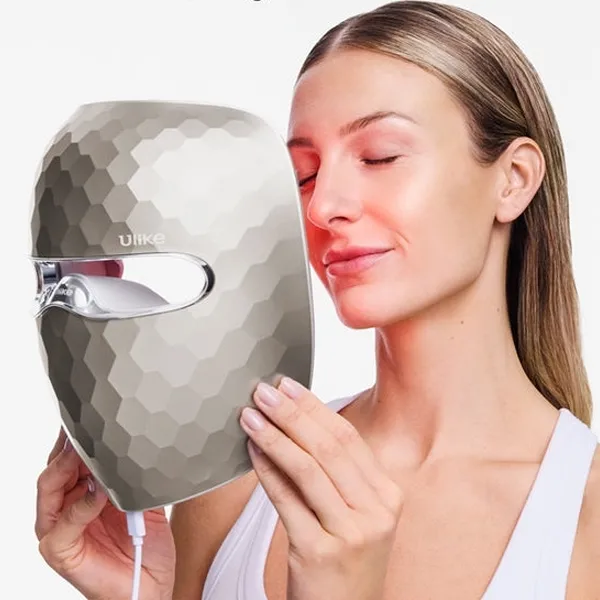
How to clean a red light therapy mask
A good cleaning routine should be simple enough to do after each session. The main priority is protecting the electronics first, then removing anything that touched your skin.
- Power it off and disconnect any cable or controller.
- Check the care instructions before using water, wipes, alcohol, or disinfectant.
- Wipe the inside surface where it touches your face.
- Clean straps, pads, and the outer shell only in the way the brand allows.
- Let every part dry fully before putting it away.
Turn off the mask and let it cool
Turn the mask off before cleaning it, and unplug it from any charger, controller, or power cable. If you have just finished a session, leave it for a few minutes so the surface is no longer warm to the touch.
Check the manufacturer's cleaning instructions
The manual should decide what you use, especially if the mask has silicone, coated plastic, removable pads, fabric straps, or exposed connection points. One brand may allow a barely damp cloth, while another may warn against moisture or alcohol on certain areas.
If the manual is unclear, choose the lowest-risk option: a dry, soft microfiber cloth. Do not assume a cleaner is safe just because it is safe for countertops, makeup tools, or skincare devices from another brand.
Wipe the skin-contact surfaces gently
The inner surface usually needs the most attention because it touches your forehead, cheeks, nose, and chin. Use a clean lint-free cloth and wipe with light pressure rather than scrubbing.
- After a normal session: a dry microfiber cloth is often enough.
- After sunscreen or heavy skincare: use a slightly damp cloth only if the brand allows it.
- After sweating: clean it sooner instead of letting salt and oil dry onto the surface.
The cloth should never be dripping. If you can squeeze water out of it, it is too wet for most LED masks.
Clean the outer surface and straps as directed
The outer shell can collect fingerprints, dust, and product from your hands, while straps can pick up sweat, hair product, or oil. Wipe the shell with a soft cloth and handle straps according to the care instructions.
Elastic straps and padded areas are easy to damage by over-cleaning. If they are removable, check whether they can be hand-cleaned or should only be wiped. If they are not removable, avoid soaking them, because moisture can sit around stitching, adhesive, or fasteners.
Let the mask dry completely before storage
Leave the mask on a clean, dry surface until it feels fully dry. Do not put it straight into a pouch, drawer, or case if any part still feels damp.
This matters most if you store it in a bathroom or use it several times a week. Trapped moisture can lead to odor, residue buildup, and extra wear around seams, straps, and charging areas.
What can you use to clean an LED face mask?
Use the gentlest option that actually removes the residue. For most personal use, that means a soft cloth first, a slightly damp cloth only when permitted, and disinfecting products only when the brand specifically allows them.
A soft lint-free cloth
A soft lint-free cloth, especially microfiber, is usually the safest everyday tool. It removes light oil, dust, and dry residue without scratching plastic or dragging fibers across silicone.
Keep one cloth just for the mask if you use it often. A cloth that has been used with household cleaners, polish, or fragranced products can transfer residue back onto the device.
A slightly damp cloth when allowed
A slightly damp cloth can help with dried sweat, sunscreen, or a thin film from skincare, but only when the care instructions allow moisture. Use plain water unless the brand names a specific cleaner.
Wipe the surface rather than "washing" it. Stay especially careful around eye openings, seams, buttons, ports, and any area where liquid could run inward.
Manufacturer-approved cleaning wipes
Approved wipes are useful if you want a quick routine and the brand has confirmed they are compatible with the mask materials. They can be a good option for daily users who do not want to guess which cloth-and-cleaner combination is safe.
Do not swap them for general household disinfecting wipes unless the care instructions say that type is acceptable. Some wipes can leave a film, dull glossy plastic, or affect adhesive-backed parts.
Disinfectants only when the brand allows them
Disinfectants are not automatically better for routine cleaning. Cleaning removes sweat, oil, and skincare residue; disinfecting is an extra step aimed at reducing germs.
If the mask is only used by you on clean skin, gentle wiping is usually the more practical habit. If the mask is shared, used after illness, or handled by several people, use only the disinfectant method approved by the manufacturer and apply liquid to a cloth rather than spraying the device.
Cleaning different parts of an LED face mask
Not every part of an LED mask should be cleaned the same way. The face-contact surface needs hygiene, the straps need odor control, and the electrical parts need dryness above everything else.
Flexible silicone mask surfaces
Flexible silicone can feel durable, but it often holds onto oil and sticky skincare more than smooth hard plastic. Wipe it after each use if you wear the mask regularly or if your skin tends to be oily.
Support the mask while cleaning instead of pulling, twisting, or folding it sharply. Flexibility does not mean the embedded LEDs, wiring, or seams are meant to be stressed during cleaning.
Rigid plastic mask surfaces
Rigid plastic usually wipes clean easily, but it can still become cloudy or scratched if you use harsh chemicals or rough materials. Use smooth strokes with a microfiber cloth and clean around nose areas and eye openings with the cloth folded over your finger.
Straps and removable pads
Straps and pads need separate attention because they collect sweat, hair product, and skin oil even when the mask surface looks clean. If you use the mask after workouts or in hot weather, these parts may need wiping more often than you expect.
- Removable straps or pads: clean them separately only if the brand says they can be removed and cleaned.
- Elastic straps: avoid soaking unless the instructions clearly allow it.
- Foam or adhesive pads: wipe lightly and replace them if they stay stained, sticky, or misshapen.
Controllers, cables, and connectors
Keep controllers, cables, charging ports, and connectors as dry as possible. A dry cloth is usually the safest choice for these areas, even if the mask surface itself can handle a slightly damp wipe.
How to keep your LED mask clean between uses
The easiest mask to clean is the one that never gets heavily coated in product. A few small habits before and after each session can reduce buildup and make harsher cleaning unnecessary.
Use it on clean skin
Use the mask on freshly cleansed, dry skin when you can. That limits transfer from makeup, sunscreen, facial oil, and sweat.
For an occasional user, this may simply mean washing your face first. For someone using a mask several nights a week, it makes a bigger difference because small amounts of residue can build up quickly around curves and textured areas.
Keep skincare residue off the mask
Heavy creams, sticky serums, facial oils, and sleeping masks can leave a film that is harder to remove than normal skin oil. Unless your device instructions say a product is suitable to use with the mask, it is usually cleaner to apply leave-on skincare afterward.
If you do use a lightweight product before a session, give it time to absorb and check the mask afterward. A tacky surface is a sign that the product is transferring.
Store it in a clean dry place
Store the mask only after it is dry, ideally in a clean pouch, case, drawer, or shelf where it will not be crushed. Avoid placing it face-down on a dusty counter or near loose powders and sprays.
A bedroom drawer is often better than a bathroom counter. Bathrooms are convenient, but steam, splashes, and heat changes can make storage less friendly for electronics and elastic parts.
Keep it away from heat and moisture
Heat and humidity can be rough on adhesives, coatings, straps, and electronic areas over time. Do not leave the mask near a radiator, sunny windowsill, shower steam, or a damp sink area.
If you travel with it, let it dry before packing it and avoid pressing bottles of skincare or cleanser against it in the same bag. A small leak from another product can cause more trouble than normal daily use.
Conclusion
A red light therapy mask does not need aggressive cleaning; it needs consistent, careful wiping. If you clean it on cool power-off mode, keep moisture away from ports and seams, and avoid unapproved chemicals, you can keep it hygienic without shortening the life of the device.
FAQS
Can I wash an LED face mask with water?
No. Most LED face masks should not be rinsed under running water or submerged. If the brand allows moisture, use a barely damp cloth and keep water away from ports, seams, cables, and control areas.
Can I use disinfectant wipes on an LED face mask?
Only if your mask's care instructions allow that type of wipe. If they do, wipe the approved surface gently and let it dry fully before the next use.
How do you clean a Ulike ReGlow LED mask?
Follow Ulike's current care instructions for the ReGlow model. As a safe baseline, power it off, disconnect it, wipe it with a soft cloth, and avoid rinsing, soaking, or spraying liquid directly onto the mask.
Should you clean your LED face mask after every use?
Yes, a quick wipe after every use is a sensible routine for most people. Do a more careful check if you used it after sweating, wore skincare underneath, shared the mask, or noticed any sticky residue.