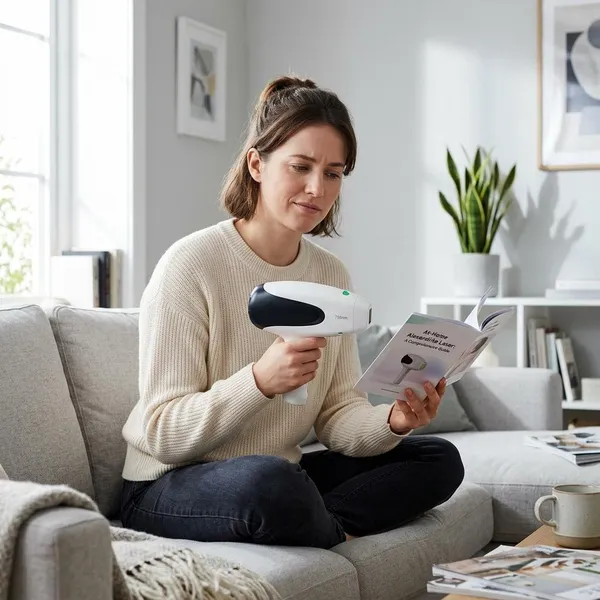
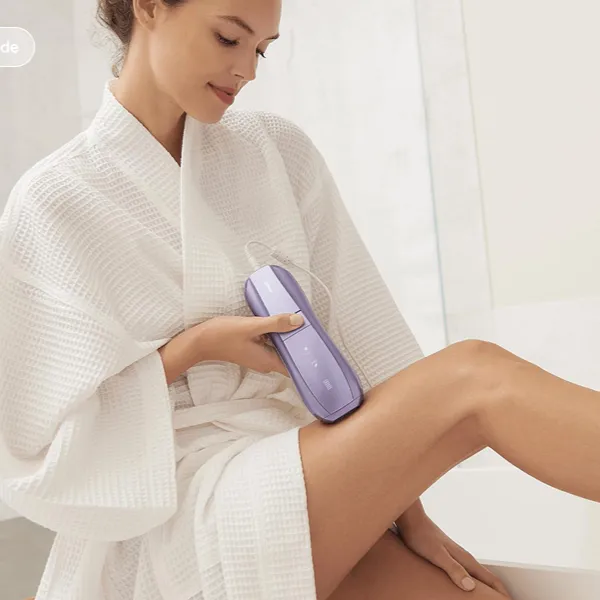
Is At-Home Laser Hair Removal Safe During Pregnancy?
At-home laser hair removal and IPL are usually best avoided during pregnancy, not because they are proven to harm a baby, but because they have not been well studied in pregnant users. Since the treatment is cosmetic and pregnancy can make skin more sensitive, the practical choice is to pause it and use temporary hair removal methods for now.
What do home IPL brands say about pregnancy?
Most home IPL brands take a cautious position on pregnancy. Their wording is not always identical, but the message is usually the same: do not use the device while pregnant, or wait until after pregnancy because the product has not been tested for that situation.
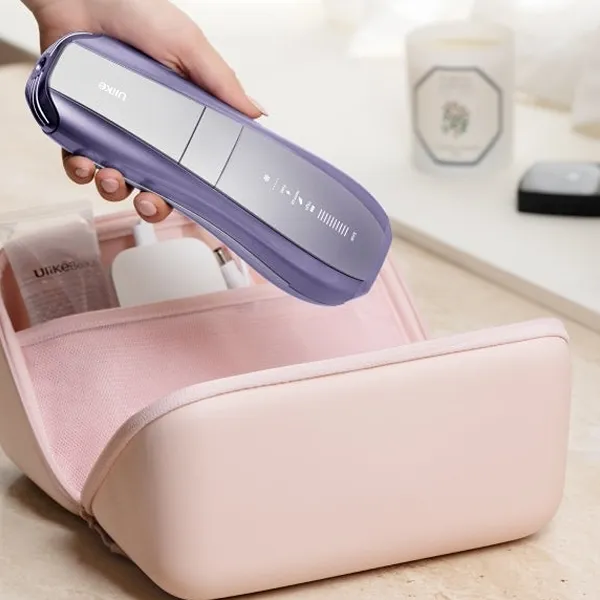
Ulike recommends avoiding IPL during pregnancy
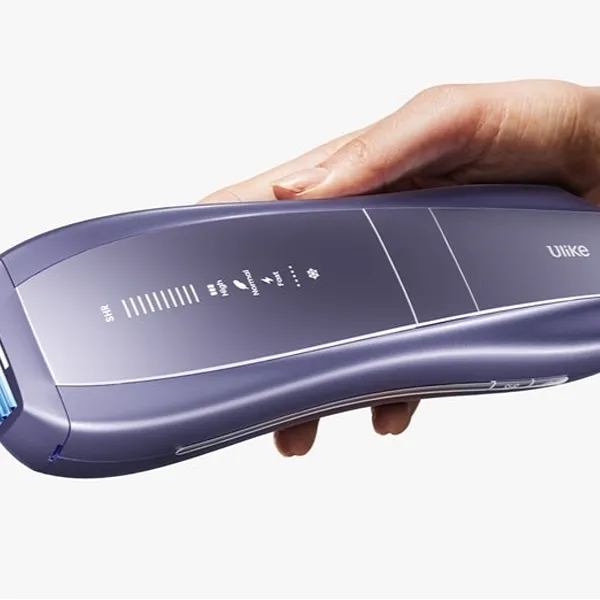
Ulike's pregnancy guidance is cautious: avoid IPL while pregnant. If you have a Ulike device, the safest practical move is to stop using it during pregnancy rather than trying to adjust the intensity or skip certain body areas.
Pregnancy can also make the skin more sensitive or prone to pigmentation changes, including on areas such as the face, underarms, and bikini line. However, Ulike's recommendation to avoid IPL during pregnancy applies regardless of the treatment area.
Braun says its IPL is not tested for pregnant users
Braun's wording focuses on testing: its IPL devices are not tested for pregnant users. That is not the same as saying a single exposure is known to be dangerous, but it is enough reason not to continue routine treatments.
If you are choosing between finishing a treatment plan and pausing, pausing wins. Hair reduction can wait; pregnancy-related sensitivity is less predictable.
What if you used IPL before knowing you were pregnant?
If you used IPL before realizing you were pregnant, try not to panic. Accidental early use is not known to cause harm to a baby, and home IPL mainly acts at the level of the skin and hair follicle. The sensible response is to stop now, check your skin, and ask for medical advice if something feels off.
It helps to separate two situations. If you used the device once or twice, had no skin reaction, and only later found out you were pregnant, this is usually a reassurance-and-pause situation. If you treated a large area, used a high setting, repeated sessions after symptoms started, or developed blistering or lasting discoloration, it is worth contacting your healthcare provider or a dermatologist.
Stop further treatments for now
Put the device away for the rest of pregnancy unless your healthcare provider gives you different advice. Do not try to "make it safer" by lowering the setting, treating smaller patches, or avoiding only the belly; the main issue is the lack of pregnancy-specific safety data, not just the body area.
Watch the treated skin for unusual reactions
Check the treated area over the next few days. Mild short-lived redness can happen after IPL, but stronger or worsening symptoms deserve attention.
- Get advice if you see blistering, crusting, or swelling.
- Do not ignore increasing pain or heat in the skin.
- Protect exposed areas from sun if redness or pigmentation appears.
- Avoid scrubs, retinoids, strong acids, and rubbing while the skin settles.
Facial areas need extra care because pregnancy can make pigmentation changes, such as melasma-like darkening, more likely or more stubborn.
Keep a record of when and where you treated
Write down the date, body area, device brand, and setting if you remember it. A quick note on your phone is enough. This is especially useful if a skin change appears later or if you want a calm, specific conversation with your OB-GYN, midwife, doctor, or dermatologist.
Ask your healthcare provider if you are concerned
Contact your healthcare provider if anxiety is making it hard to let the incident go, or if the treated skin looks unusual. You do not need to wait for a severe reaction before asking; sometimes reassurance from someone who knows your pregnancy is the most helpful next step.
If the issue is mainly a skin reaction, a dermatologist may be more useful than general pregnancy advice. They can help you avoid treatments or creams that are not suitable during pregnancy.
What can you use instead during pregnancy?
Temporary methods are usually the better fit during pregnancy because they manage visible hair without light-based energy. The best option is not the one that keeps you smooth the longest; it is the one your skin tolerates with the least irritation.
Shaving
Shaving is often the easiest pregnancy-friendly swap for IPL. Use a clean razor, plenty of shaving gel or a gentle cleanser, and light pressure. If your belly makes it hard to see your legs or bikini area later in pregnancy, slow down or use a mirror rather than shaving by feel.
An electric razor can be a good compromise if you are prone to nicks. It may not shave quite as closely, but it often causes less drama on sensitive skin.
Trimming
Trimming is the lowest-maintenance choice when comfort matters more than perfectly smooth skin. A guarded trimmer works well for the bikini area, underarms, or anywhere rubbing and sweat already make the skin sensitive.
Tweezing
Tweezing is useful for small, specific areas: a few chin hairs, brow strays, or the occasional hair around the upper lip. It is not a practical choice for large areas, and repeated plucking can leave redness or dark marks if your skin is reacting more strongly than usual.
- Clean the tweezers first.
- Pull only hairs that come out easily.
- Do not dig at ingrown hairs.
Threading
Threading can be a good option for facial hair because it avoids wax, depilatory creams, and light-based devices. If you are dealing with pregnancy-related facial sensitivity or pigmentation, ask the practitioner to use a gentle approach and avoid repeated passes over the same patch of skin.
Try a smaller area first if you have not threaded during pregnancy before. A treatment that felt easy before may sting more now.
Waxing when your skin tolerates it
Waxing is not automatically off-limits during pregnancy, but it is more of a "only if your skin handles it well" option. It may feel more painful than usual, and irritated or pigment-prone skin can react badly.
Do a small test patch if you have not waxed recently. Skip waxing over broken skin, sunburn, active irritation, varicose veins, or areas that are already darkening. If redness lasts longer than it normally would, switch to shaving or trimming for the rest of pregnancy.
Conclusion
The safest practical judgment is to pause at-home IPL or laser-style hair removal during pregnancy and avoid turning an elective beauty routine into something you have to worry about. If you already used a device by accident, stop further sessions, watch your skin, and ask your healthcare provider if you are uneasy or notice a reaction; for the meantime, simple methods like shaving, trimming, threading, tweezing, or careful waxing are usually enough to get through pregnancy comfortably.
FAQS
Can at-home IPL harm a baby during pregnancy?
There is no strong evidence showing that at-home IPL harms a baby, but there is also not enough pregnancy-specific research to call it safe. That uncertainty is why avoiding it is the usual recommendation.
Can you use Ulike IPL while pregnant?
No. Ulike advises pregnant users to avoid IPL, so it is better to pause the device and use temporary hair removal until after pregnancy.
Can you restart IPL while breastfeeding?
Possibly, but do not assume pregnancy guidance and breastfeeding guidance are identical for every device. Check the brand instructions, wait until your skin feels normal again, and ask your healthcare provider if you have irritation, healing issues, or ongoing hormonal skin changes.