What Side Effects Can Home Laser Hair Removal Cause?
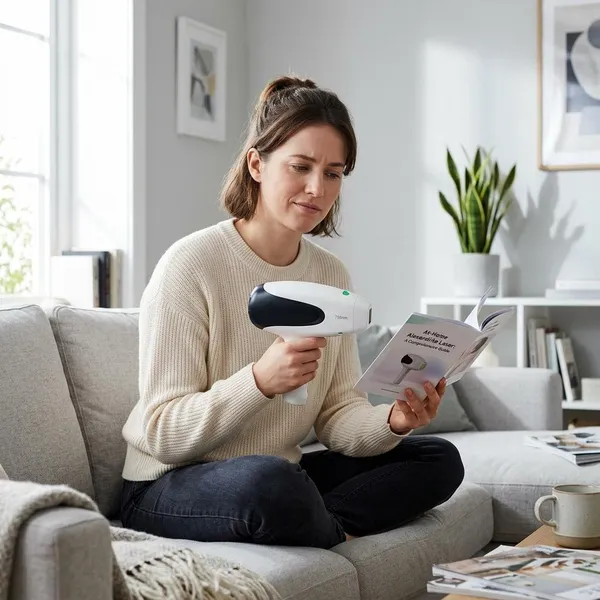
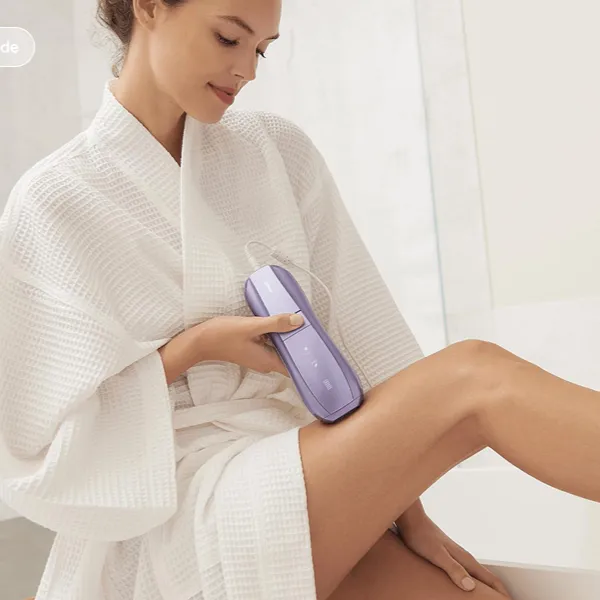
Most laser hair removal at home side effects should be mild and short-lived: light redness, warmth, a stinging feeling, or small bumps around follicles. The bigger concern is knowing when your skin is reacting normally and when the device, setting, tan, medication, or skin tone match is making treatment unsafe.

Which side effects are normal after home IPL?
A normal reaction should stay limited to the treated area, feel manageable, and start calming down within hours. If the skin gets hotter, more painful, darker, or blistered, treat that as a warning sign rather than a stronger version of normal.
Mild redness
Mild redness is common after home IPL, especially on areas where the skin is thinner or the hair is darker and coarser. It may look like light flushing or small pink patches where the device flashed.
For many people, this fades the same day. If redness is still intense the next day, spreads outside the treated area, or feels sharply painful, it no longer fits the usual mild reaction.
Temporary warmth or stinging
A brief warm snap or mild stinging during the flash can be expected. Underarms and the bikini line often feel stronger than lower legs because the hair is usually denser and the skin is more reactive.
Slight swelling around follicles
Small raised dots around hair follicles can appear shortly after treatment. This is usually a short inflammatory response and is often easier to see on legs, arms, or the chest.
Swelling should stay small and gradually settle. Larger swollen patches, tenderness that increases, or bumps turning into blisters are not normal aftercare issues.
Short-term skin sensitivity
Skin can feel more delicate for a short time after IPL, especially if clothing rubs the area or you shower with hot water soon after. Keep the area cool, avoid heavy friction, and skip strong exfoliating products while it settles.
- Normal: mild redness, brief warmth, tiny follicle bumps, or temporary tenderness.
- Not normal: severe pain, blistering, spreading redness, dark patches, or worsening irritation.
- First-session note: reactions can feel stronger when you are still learning the right setting for each body area.

Who needs extra caution?
The main risk is not just "sensitive skin." It is anything that makes the skin absorb more light, heal more slowly, or react unpredictably. If any of the situations below apply, treat home IPL as something to approach carefully, not casually.
Recently tanned skin
Recently tanned skin is one of the easiest ways to turn a routine session into a bad reaction. A tan means more pigment near the surface, so the device may heat the skin instead of mainly targeting the hair.
Sensitive or irritated skin
Do not treat skin that is already angry. Razor burn, a rash, active eczema, broken skin, over-exfoliation, or a strong retinoid reaction can make even a moderate IPL setting feel too harsh.
Skin tones outside the device range
Home IPL devices are not suitable for every skin tone. Many are designed for lighter-to-medium skin tones with darker hair because that contrast helps the light target the hair more safely.
Compare your current, untanned skin with the manufacturer's chart. Guessing is risky here; if your skin tone falls outside the approved range, do not test it "just once" on a higher-risk area like the face, underarms, or bikini line.
People taking photosensitizing medications
Some medications can make skin more reactive to light. The exact list varies, but warning labels mentioning sun sensitivity or photosensitivity should be taken seriously.
Anyone with relevant skin conditions
Conditions such as eczema, psoriasis, rosacea, melasma, or a history of post-inflammatory hyperpigmentation can raise the chance of prolonged irritation or uneven pigment after treatment.
Extra caution matters most on visible or friction-prone areas. For example, a small pigment mark on the lower leg may be less upsetting than one on the upper lip, while irritation in the bikini area can be worsened by tight clothing and sweat.
How can you lower the risk of side effects?
The safest routine is boring in a good way: check compatibility, patch test, start low, shave properly, and avoid tanned or irritated skin. Most preventable side effects come from skipping one of those steps because the device seems simple to use.
Check skin and hair compatibility
Start with the device's skin tone and hair color chart, not with online before-and-after photos. Very light blonde, red, gray, or white hair may not respond well, while skin outside the listed tone range may absorb too much light.
Recheck compatibility when your skin changes. Someone using IPL year-round may need a different decision in summer than in winter, especially on exposed areas such as forearms, lower legs, and the face.
Patch test before full treatment
A patch test is worth doing before treating a large area, a new body part, a higher setting, or a new device. Choose a small discreet spot and wait the time recommended by the brand, commonly around 24 to 48 hours.
- Good sign: mild redness that fades steadily.
- Bad sign: increasing pain, blistering, unusual swelling, or color change.
- Do it again: when moving from legs to underarms, bikini line, or face.
Use an appropriate intensity
Higher intensity is not automatically better. It can simply mean more heat, more pain, and more risk of marks.
Begin conservatively, especially on a new area. If your lower legs tolerate one level well, that does not mean your underarms or bikini line will tolerate it too.
Shave instead of waxing or plucking
Shave before treatment so the follicle remains under the skin for the light to target. Waxing, plucking, and epilating remove the root, which can make treatment less effective and less predictable.
If shaving gives you razor bumps, do not treat immediately over that irritation. Shave earlier, let the skin calm down, and only use the device when the area looks and feels settled.
Avoid treating recently tanned skin
Postponing a session is better than treating skin that has recently darkened. This is especially true after holidays, tanning beds, self-tanner mistakes, or several days of strong sun exposure.
- Check your current skin tone. Do not rely on how your skin matched the device weeks ago.
- Use clean, dry skin. Avoid lotion, oils, deodorant, perfume, and self-tanner before treatment.
- Stop early if the sensation changes. Sudden sharp pain is a reason to pause, not to finish the area quickly.
When should you stop using the device?
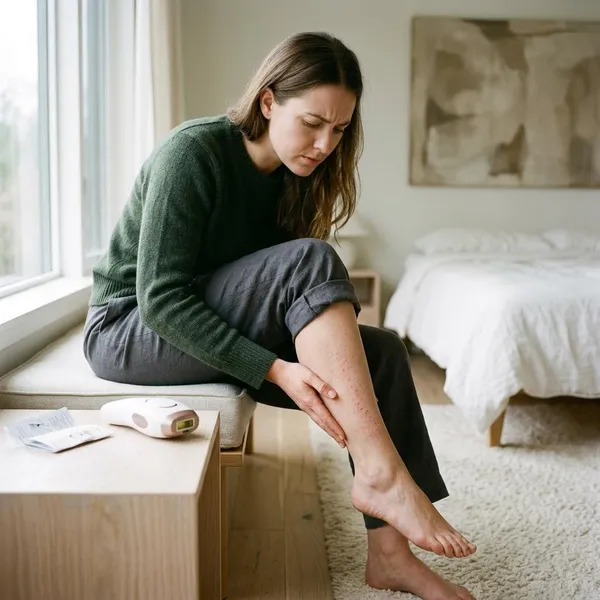
Stop when the reaction no longer behaves like a short, mild skin response. A device that is safe for someone else, or even safe for you on another body area, can still be wrong for the skin you are treating today.
Pain becomes intense
Brief discomfort can happen, but sharp, severe, or lingering pain is a stop sign. Cool the area gently and do not continue on nearby skin just to finish the session.
If pain remains strong, or if the skin starts to look damaged, get medical advice rather than waiting for the next scheduled treatment.
Blisters or burns appear
Blisters and burns are not normal proof that the device is "working." They suggest the skin was overheated and needs time to heal.
- Do not pop blisters.
- Do not treat over or around the burn.
- Seek prompt advice for burns on the face, genital area, or a large area.
Pigment changes develop
New dark patches, lighter spots, or uneven tone mean you should stop treating that area. Continuing can make discoloration harder to calm, especially if you are prone to marks after acne, rashes, or minor cuts.
Protect the area from sun while it recovers. If the change does not fade or keeps spreading, a dermatologist is the safer next step.
Irritation keeps getting worse
Normal irritation should trend downward. Redness, swelling, itching, or soreness that builds over several hours suggests the skin is not tolerating the treatment or the aftercare around it.
Remove extra triggers where possible: heat, tight clothing, deodorant, fragrance, acids, retinoids, and scrubs. If the reaction still worsens, stop using the device.
The same reaction returns after each session
A repeated bad reaction is more useful information than a one-off flare. If the same area burns, swells, darkens, or stays irritated after every careful session, the device or setting may not be a good match.
Keep a simple note of the area, setting, date, and reaction. If the pattern repeats, do not keep experimenting on your skin; consider professional advice or a different hair-removal method.
Conclusion
Home IPL can be reasonable when your skin and hair match the device, your skin is not tanned or irritated, and your reactions stay mild. The safest decision is to stop treating the moment symptoms move from temporary discomfort to injury signs such as intense pain, blisters, worsening irritation, or pigment change.
FAQS
Can at-home laser hair removal cause burns?
Yes, burns can happen, especially with too much intensity, recent tanning, poor skin-tone matching, or repeated flashes on the same spot. Stop immediately if the skin feels severely hot, painful, or blistered.
How long should skin irritation last after IPL?
Mild irritation often settles within several hours and may last into the next day. If it is still strong after 48 hours, or if it is getting worse instead of better, pause treatment and seek advice.
Can home IPL cause dark spots?
Yes, dark spots can appear after excess heat or inflammation, particularly on recently tanned skin or skin prone to hyperpigmentation. Stop treating that area and protect it from sun exposure while it heals.