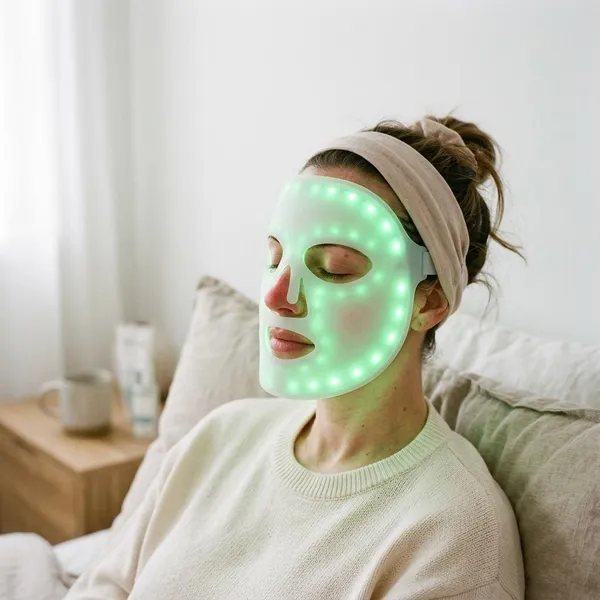
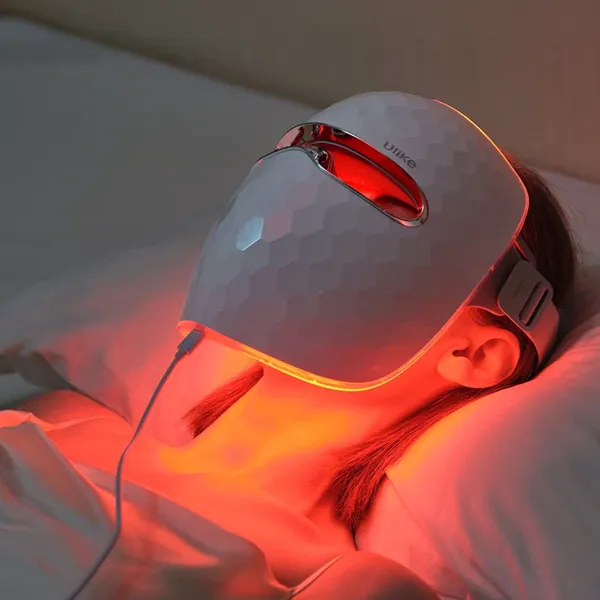
What LED Face Mask Benefits Can Do for Your Skin
LED face mask benefits are usually gradual, but they can be useful if your goals are mild acne support, softer-looking fine lines, calmer-looking redness, or better texture without downtime. The first thing to check is whether the mask has the right light setting for your main concern and whether you will realistically use it several times a week. If you want a quick lift, deep wrinkle correction, or treatment for severe acne, an at-home mask is unlikely to be enough on its own.
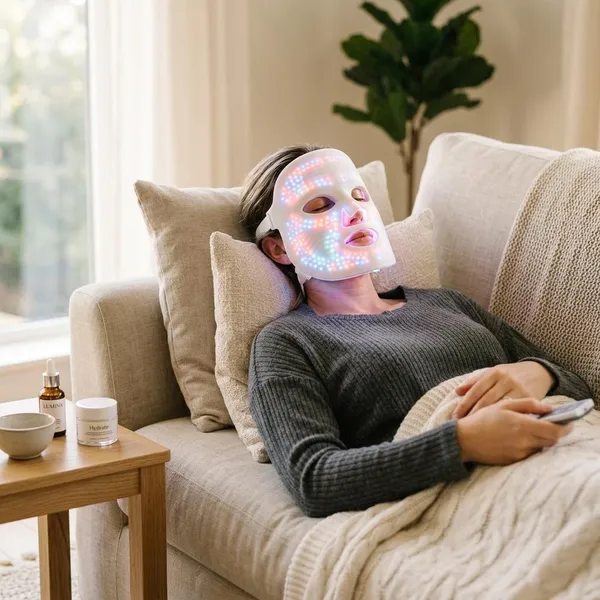
What are the main LED face mask benefits?
The main benefit of an LED face mask is that it gives you a low-effort way to support skin concerns at home. It does not peel, puncture, or heat the skin like some stronger treatments, so there is usually no recovery time when the device is used correctly.
Smoother-looking fine lines
Fine lines may look softer with consistent red light use, especially when they are early lines rather than deep folds. The improvement is usually more of a smoother, fresher look than a dramatic wrinkle treatment.
Support for firmer-looking skin
Red light and near-infrared are the settings most often linked with firmer-looking skin because they are used for collagen and skin-repair support. For a person noticing mild loss of bounce around the cheeks or jawline, this can be a reasonable long-term support tool.
Fewer inflammatory breakouts
Blue light is the more relevant option for acne-prone skin because it may help reduce acne-causing bacteria near the surface. It is most useful for red, inflamed pimples that come and go, not for every clogged pore.
- More suitable: mild to moderate inflammatory breakouts.
- Less suitable: blackheads, whiteheads, and deep painful cysts.
- Use carefully with: strong acids, retinoids, or drying acne products if your skin is already irritated.
Calmer-looking skin
Some people use LED masks to make stressed-looking skin appear calmer, especially when redness is mild and temporary. Red and amber settings are often chosen for this kind of visible balance.
Easy at-home treatments
Convenience is a real advantage. A mask that takes 10 to 20 minutes and fits into your evening routine is easier to repeat than a treatment that requires appointments or downtime.
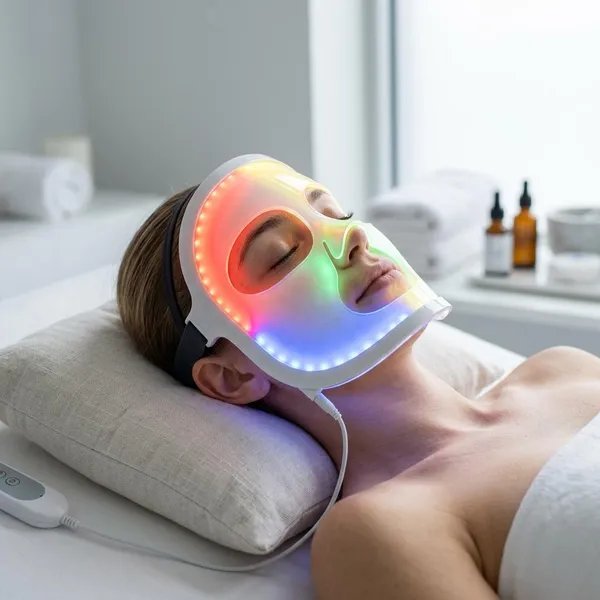
What do different LED colors do?
LED colors matter because they represent different wavelengths. In simple terms, blue light works closer to the surface, red light is commonly used for visible aging and texture, near-infrared is included for deeper support, and amber is usually treated as a gentler rejuvenation or calming option.
Red light for signs of aging
Red light is usually the first setting to consider if your main concern is early signs of aging. It is commonly used for smoother-looking texture, fine lines, and a less tired-looking complexion.
For someone in a prevention mindset, red light can make sense as a steady routine. For someone expecting deep lines to disappear before an event, it is likely to disappoint.
Blue light for acne-prone skin
Blue light is the better match when the problem is recurring inflammatory pimples. It may help reduce acne-causing bacteria, but it should sit alongside a gentle, non-clogging routine rather than replace one.
Near-infrared for deeper skin support
Near-infrared is often included in masks aimed at firmness and overall skin quality. It does not usually give an obvious next-day change, so it is better viewed as long-term support rather than a quick cosmetic boost.
Amber light for skin rejuvenation
Amber light is often marketed for a more refreshed, balanced-looking complexion. The evidence is not usually presented as strongly as it is for red or blue light, so it is best treated as an extra feature rather than the main reason to buy a mask.
Do LED face masks really work?
LED face masks can work, but only within realistic limits. At-home devices are generally designed for repeated, lower-intensity use, so the results are usually slower and softer than professional light-based treatments.
The most important deciding factors are the wavelength, how well the mask covers the treatment area, whether it fits comfortably, and whether you follow the schedule. A good routine with a modest device often beats an expensive mask that is uncomfortable enough to sit unused.
Red light can improve fine lines
Red light may improve the look of fine lines by supporting skin-renewal processes linked with collagen. The change tends to show up as smoother texture or less obvious creasing, not as erased wrinkles.
Daily sunscreen still matters. If new UV damage continues, it can hide or undo the subtle progress you are trying to build with red light.
Red and near-infrared can improve skin texture
This combination is often chosen for roughness, dullness, and uneven-looking skin. Texture changes may be easier to notice than firmness changes because the skin can start reflecting light a little more evenly before deeper changes are visible.
Blue and red light can reduce inflammatory acne
Blue and red light can be a useful pairing for inflammatory acne: blue light targets surface bacteria, while red light may help calm the look of inflammation. This is most relevant for recurring red pimples, not deep cystic acne or acne that is leaving scars.
Results depend on the device and routine
A practical way to judge a mask is to look at four things before you buy or commit to using it:
- Wavelength details: the brand should clearly state what each mode is designed to do.
- Fit and coverage: light needs to reach the areas you actually want to treat.
- Session guidance: timing and weekly frequency should be easy to follow.
- Safety instructions: eye guidance, contraindications, and cleaning steps should be clear.
How long do LED mask results take?
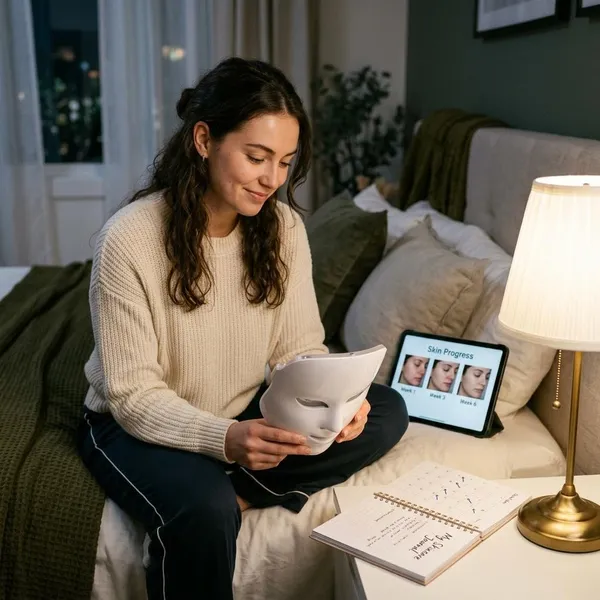
LED mask results usually take weeks, not days. Acne-related redness or a calmer-looking complexion may be noticed earlier, while fine lines, firmness, and texture usually need more patience.
A fair test is to use the mask exactly as directed and compare the same areas under similar lighting every couple of weeks. Memory is unreliable with gradual changes, especially when your skin naturally fluctuates with sleep, stress, hormones, weather, and product use.
Early changes may take several weeks
The first changes are often small: skin may look less irritated, a little brighter, or less angry after breakouts. If nothing has changed after only a few sessions, that does not automatically mean the mask is useless.
Fine lines usually need consistent use
Fine lines need repeated use because collagen-related changes are slow. A person using red light several times a week for two months has a much better chance of judging the device fairly than someone using it randomly before special occasions.
Acne results vary by treatment routine
Acne results depend heavily on what else is happening in your routine. Blue light may help inflammatory pimples, but harsh layering of scrubs, acids, benzoyl peroxide, and retinoids can leave the skin barrier irritated and make breakouts look worse.
If your acne is mild and occasional, an LED mask may be a useful add-on. If acne is deep, painful, or affecting confidence every week, it is better to get a proper treatment plan instead of relying on light therapy alone.
Continued use may be needed
Many people need a maintenance pattern after the first treatment phase. That is why comfort, charging, cleaning, and storage matter more than they seem at first; a mask that is annoying to use is unlikely to stay in your routine long enough to help.
How to get better results
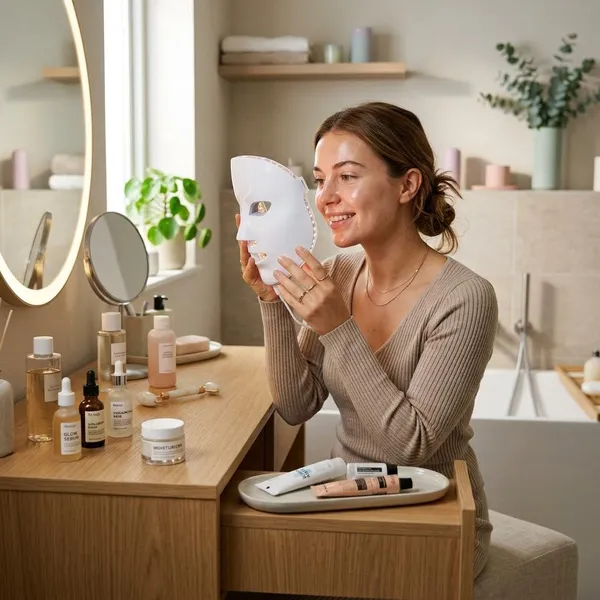
The best results usually come from boring consistency: clean skin, the right setting, the full treatment time, and no unnecessary experimenting. More light, more products, or longer sessions are not automatically better.
Think of the mask as one supportive habit, not the whole routine. A gentle cleanser, moisturizer, and daily sunscreen do more for the foundation of your skin than an LED mask can do by itself.
Start with clean dry skin
Use the mask after cleansing and drying your face unless your device instructions say otherwise. Makeup, sunscreen, heavy oils, and thick creams can get in the way and make it harder to judge how your skin is responding.
Follow the recommended schedule
The brand schedule matters because devices differ. Some are designed for frequent short sessions, while others are not meant to be used every day.
- If you forget often: set fixed days rather than guessing each week.
- If your skin is sensitive: avoid jumping straight into extra sessions.
- If you miss a day: continue normally instead of doubling up without guidance.
Use the full treatment time
Stopping early every time may reduce the chance of visible improvement. Extending the session beyond the instructions is not a shortcut, especially if your skin or eyes feel uncomfortable.
Comfort is a buying factor, not a luxury. If a mask pinches, slips, feels heavy, or makes it hard to relax, you are more likely to cut sessions short or quit altogether.
Stay consistent
Attach the mask to a habit you already have, such as your evening cleanse or a quiet screen-free break. Occasional use is fine for experimenting, but it is not a fair test of results.
Follow the device safety instructions
Read the eye protection guidance, timing limits, cleaning steps, and contraindications before the first session. Stop using the mask and seek advice if you notice pain, hives, a rash, unusual redness, or any skin spot that changes instead of improving.
Conclusion
An LED face mask is most worth considering when you want steady support for mild, visible skin concerns and you are willing to use it consistently. Choose the light setting around your main goal, keep the rest of your routine simple, and be honest about when a concern needs professional care instead of another at-home device.
FAQS
How often should you use an LED face mask?
Use it as often as the device instructions recommend. If you are new to LED or have reactive skin, start cautiously within the allowed schedule and watch for irritation.
Is red or blue light better for skin?
Red is usually better for fine lines, firmness, and texture, while blue is more useful for inflammatory acne. If you have both concerns, a mask with separate red and blue modes is often more practical.
Can LED masks help with wrinkles?
They may help mild fine lines look softer, especially with red or near-infrared light. Deep wrinkles usually need stronger treatments if you want a more visible correction.
Can LED masks help with acne?
They can help some inflammatory breakouts, particularly when blue light is used consistently. Cystic acne, scarring acne, or stubborn acne usually needs more than a home mask.
Can an LED mask replace skincare?
No. An LED mask works best as an add-on to cleansing, moisturizing, and daily sunscreen, not as a replacement for the basics.