What Does Each LED Face Mask Color Do?
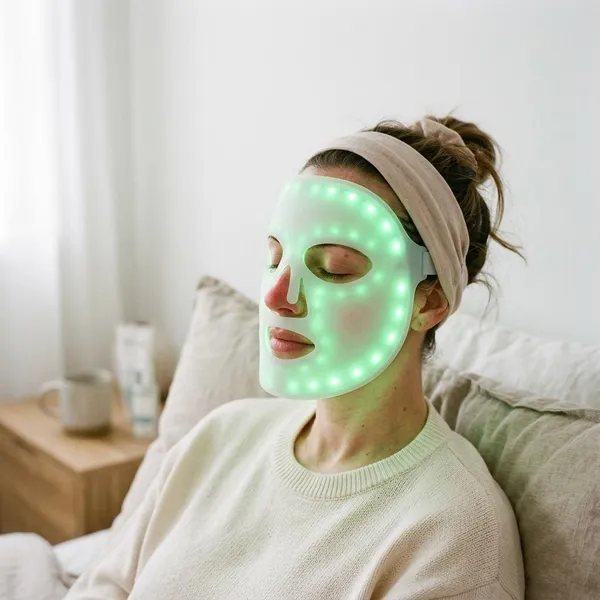
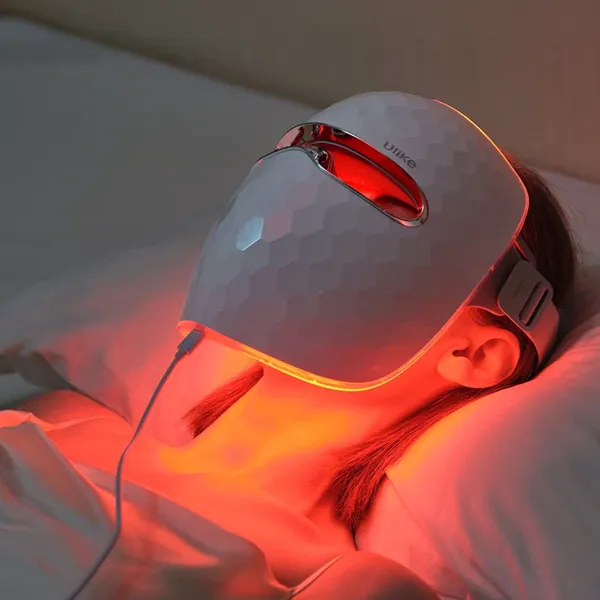
LED face mask colors meaning is mostly about wavelength, not the color name printed on the button. Red is usually used for fine lines and smoother-looking skin, blue for breakouts, near-infrared for deeper support, green for uneven-looking tone, and yellow or amber for redness. The best setting is the one that matches your main skin concern and has clear wavelength information from the device maker.
What does red LED light do?
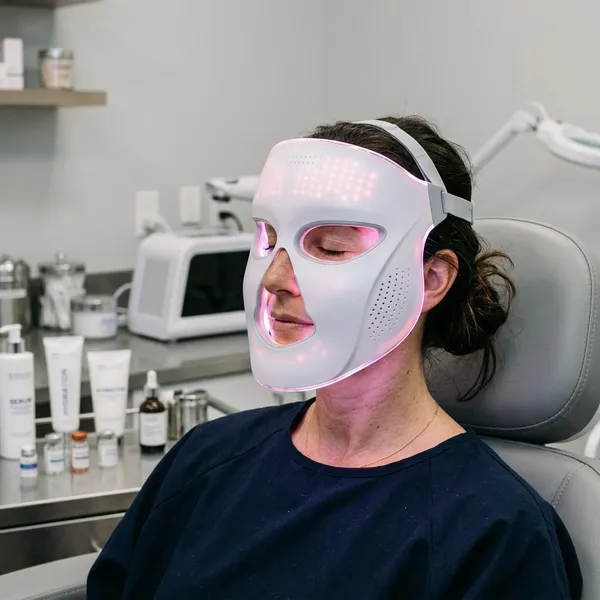
Red LED light is the setting most people choose for aging-related concerns: fine lines, dull texture, and skin that looks less firm than it used to. In many home masks, red light is listed around the 630 to 660 nm range, although the exact number depends on the device.
Supports collagen production
Red light is commonly used to support collagen-related skin functions. That matters because collagen helps skin look firmer and more resilient, and natural collagen production slows with age.
This is most relevant if your concern is early softness, mild sagging, or a less "springy" look rather than deep folds. For deeper wrinkles or major skin laxity, a home LED mask should be treated as supportive care, not a replacement for professional treatment.
Helps soften fine lines
Fine lines often look sharper when skin is dry, dull, or uneven in texture. Red light may help soften their appearance over time by supporting a smoother-looking surface, especially when used consistently according to the device instructions.
Supports smoother-looking skin
Red light can be useful even if wrinkles are not your main worry. Someone in their late twenties using a mask for maintenance may choose red because their goal is smoother texture and a fresher look, not acne control or pigment correction.
- Best fit: dullness, mild texture, early lines, maintenance.
- Less useful for: active pimples as the main concern.
- Common mistake: switching away from red after a few sessions because the change is subtle.
Works well for anti-aging routines
Red light works well in anti-aging routines because it covers several everyday concerns at once: firmness, texture, fine lines, and a tired-looking complexion. If your mask also has near-infrared, the red-plus-NIR setting is often worth considering for a more complete recovery-focused routine.
What does blue LED light do?
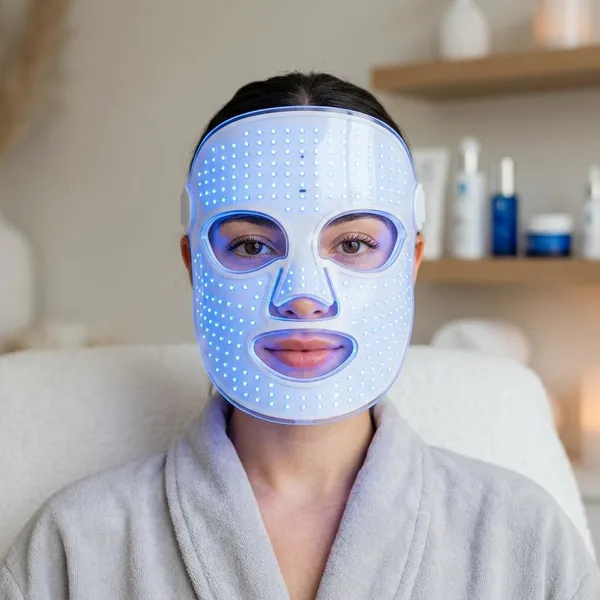
Blue LED light is mainly used for acne-prone skin. It generally works closer to the surface than red light, which is why it is commonly linked with active breakouts, oily areas, and blemish-focused routines.
If your skin is clear but dry or sensitive, blue may not be the setting you need most. If you regularly break out around the chin, nose, or forehead, it becomes much more relevant.
Targets acne-causing bacteria
Blue light is best known for targeting acne-causing bacteria associated with breakouts. It is one reason many acne-focused LED devices include blue as a core setting rather than an extra cosmetic mode.
It tends to make the most sense for mild to moderate blemish-prone skin. If your acne is painful, cystic, scarring, or suddenly worsening, it is safer to get medical advice instead of relying on a mask alone.
Helps manage active breakouts
For active breakouts, blue light is usually a better first choice than red. A practical example: if you are dealing with small recurring pimples around the T-zone every week, use blue consistently first so you can judge whether the mask is actually helping that pattern.
Supports acne-focused routines
Blue light can support an acne routine without adding another exfoliating acid or drying spot treatment. That is useful for people whose skin is already irritated from too many strong products.
- Keep the rest gentle: avoid stacking several harsh acne treatments on the same night.
- Use it with a purpose: choose blue when breakouts are the priority, not just because the color looks intense.
- Consider red later: once breakouts calm down, red may help with overall skin recovery and texture.
What does near-infrared light do?
Near-infrared light, often shortened to NIR, sits beyond visible red light. That means it may not look bright during use, and in some masks it may appear almost invisible even when the mode is working.
NIR is often discussed for deeper skin support and recovery-focused routines. For shoppers, it can be more meaningful than having several vague color modes, as long as the device gives clear wavelength details.
Reaches deeper than visible red light
Near-infrared generally reaches deeper than visible red light, which is why it is often separated from the standard color settings. Red is still valuable for visible rejuvenation, but NIR is usually chosen when the goal is deeper support rather than only surface-level improvement.
Supports skin recovery
NIR can be a good match when your skin looks run down after dryness, overuse of actives, or a stressful period. It is not the setting most people choose for active pimples; it is more of a support mode for resilience and recovery.
This is a useful distinction for long-term users. If you use an LED mask year-round, NIR may become part of a maintenance routine, while blue might only be used during breakout-prone periods.
Often works alongside red light
Many masks pair red and near-infrared in the same session. That pairing makes sense when your main concerns are fine lines, texture, and tired-looking skin, because red handles the visible-light role while NIR adds deeper support.
- Choose red alone if you want a simple beginner routine.
- Choose red plus NIR if your device offers it and your goal is longer-term rejuvenation support.
- Do not judge by brightness because NIR is not meant to look like a visible color.
Does not appear as a visible color
Near-infrared does not appear as a normal visible color, so a dim-looking NIR mode is not automatically weak. The better check is whether the product lists a specific NIR wavelength and gives clear use instructions.
Which LED face mask color is best for your skin concern?
The best LED face mask color is the one that matches your main problem first. Trying every color in rotation can feel productive, but it often makes results harder to read.
Red light for fine lines and aging skin
Choose red if your main concern is fine lines, firmness, texture, or skin that looks tired. It is the most sensible everyday setting for someone building an anti-aging or maintenance routine.
Blue light for acne and breakouts
Choose blue when active blemishes are the issue you want to improve first. It is especially relevant for oily or congestion-prone areas where pimples keep returning.
Blue is less useful as an "all-purpose glow" mode. If you only get one occasional pimple but your bigger concern is texture or firmness, red may be the better main setting.
Near-infrared for deeper skin support
Prioritize near-infrared if you are comparing masks for long-term skin support and the device gives clear technical details. A mask with red plus well-specified NIR may be more useful than a cheaper model that advertises many colors without explaining the wavelengths.
Green light for uneven-looking tone
Green light is usually marketed for uneven-looking tone, dull patches, or cosmetic pigmentation concerns. Treat it as a secondary setting unless the device gives convincing wavelength information and your main goal is tone rather than acne or aging.
- Worth trying: your mask already includes green and uneven tone is a real concern.
- Do not overexpect: dark spots usually need a broader routine, including sun protection.
- Shopping check: avoid buying a mask only because it has a green mode with no details.
Yellow or amber light for redness
Yellow or amber light is commonly used for redness, flushing, or skin that looks easily stressed. It may be a useful comfort-focused mode for someone whose skin feels reactive after weather changes or an overly strong skincare routine.
If your redness is persistent, painful, or linked with a skin condition, do not treat the color setting as a diagnosis or cure. Use the mask cautiously and consider professional guidance.
How to choose the right LED mask setting
Choosing the right setting is less about using the most colors and more about using the right one often enough. A seven-color mask is not automatically better than a simpler device with red, blue, and near-infrared wavelengths that are clearly listed.
Before you start, read the device instructions for session length, eye protection, cleaning, and who should avoid use. This matters more than copying someone else's routine online.
Start with your main skin concern
Pick one main target for the first few weeks. If acne is the priority, start with blue. If fine lines and texture matter more, start with red. If you bought a more advanced device for deeper support, check whether red and NIR can be used together according to the manual.
Check the wavelength for each setting
Color names can be vague, so look for nanometer information in the product details or manual. Red, blue, and NIR should ideally be listed with specific wavelength ranges rather than only color labels.
- Good sign: the brand lists wavelengths for each mode.
- Weak sign: the mask promises many colors but gives no technical details.
- Practical check: compare wavelengths before comparing the number of modes.
Follow the recommended treatment schedule
Use the schedule given by the manufacturer instead of assuming longer sessions are better. LED masks are designed around specific timing, distance, and frequency, and overdoing it usually does not make the routine more effective.
Be more cautious if you use photosensitizing medication, have an eye condition, are under medical treatment for a skin issue, or have been told to avoid light-based devices. In those cases, check with a qualified professional before treating the mask as low-risk.
Use the same setting consistently
Stay with one main setting long enough to judge it. Constantly jumping from red to blue to green makes it hard to know whether your skin is responding or whether you are just changing variables too often.
Track changes over several weeks
Take a quick photo once a week in similar lighting, or make a short note about breakouts, texture, redness, or fine lines. Daily mirror checks are unreliable because LED changes are usually gradual.
- For acne: track how often new blemishes appear.
- For fine lines: watch texture and makeup settling, not only wrinkle depth.
- For redness: note whether flushing is occasional or persistent.
Conclusion
The smartest way to use LED mask colors is to stop chasing every mode and start with the setting that matches your main concern: red for fine lines and texture, blue for breakouts, near-infrared for deeper support, green for uneven-looking tone, and yellow or amber for redness. Check the wavelength details, follow the schedule, and give one setting enough time before changing course; that approach is far more useful than treating a multi-color mask like a skincare guessing game.
FAQS
Is near-infrared light the same as red light?
No. Red light is visible, while near-infrared sits beyond the visible range and is often used for deeper support. Many masks combine them, but they are not the same setting.
Can you use red and blue LED light in the same routine?
Yes, if your device instructions allow it. A practical approach is to use blue when breakouts are active and red for texture, recovery, or aging concerns rather than using both without a reason.
Can you switch LED face mask colors between treatments?
Yes, but switch with a purpose. Stay consistent with one main color first, then add or change settings when your skin concern changes or when you have enough weeks of use to judge the result.