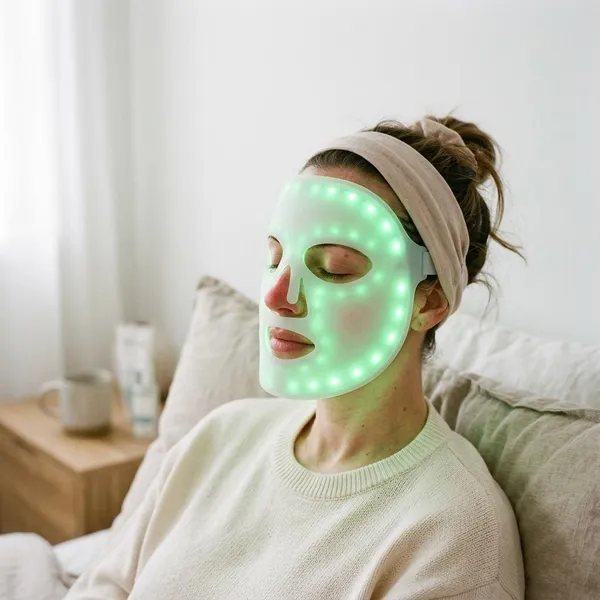
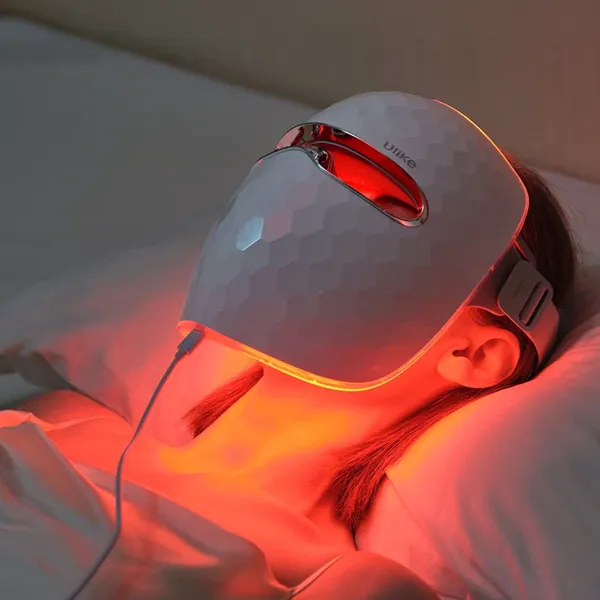
How Can an LED Face Mask Improve Your Skin?
If you are looking at an led face mask for skincare, the realistic answer is this: it can be useful for mild, ongoing concerns like early fine lines, dullness, redness, and inflammatory breakouts, but it is not a quick fix or a substitute for medical acne or in-office treatments. The best results usually come from choosing the right light mode, using it on schedule, and stopping if your skin or eyes react badly.
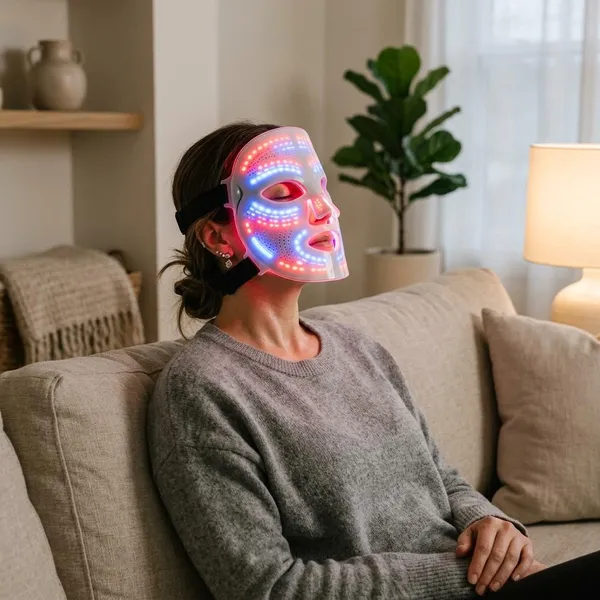
What can an LED face mask do for your skin
An LED face mask uses controlled light wavelengths to support how the skin looks and behaves over time. At-home masks are best for gradual improvement, not dramatic overnight changes. Think of them as a steady support step for mild concerns rather than a treatment that can replace prescriptions, procedures, or a solid basic routine.
The first thing to check is whether your main concern matches the light modes on the device. Red light is usually used for signs of aging and texture, blue light for mild inflammatory acne, and near-infrared for deeper support when a mask includes it.
Smooth the look of fine lines
Red light may help soften the look of fine lines by supporting skin that appears tired, rough, or less smooth. The change is usually subtle: many people notice a fresher texture before they see a visible difference in deeper wrinkles.
Support firmer-looking skin
Firmer-looking skin is more likely when a mask includes red light and, in some devices, near-infrared. This does not mean the mask will tighten loose skin in a dramatic way; it is more about helping the face look a little less flat or tired with repeated use.
Help reduce inflammatory breakouts
Blue light is the setting most often used for mild inflammatory breakouts, especially red pimples near the skin's surface. It is less useful for blackheads, whiteheads, deep cystic acne, or acne that is painful and leaving scars.
- Good fit: occasional red breakouts or mild recurring blemishes.
- Use caution: sensitive skin that dries out easily or reacts to acne products.
- Not enough on its own: severe, painful, widespread, or scarring acne.
Improve overall skin appearance
For many home users, the most realistic benefit is an overall improvement in how the skin looks: calmer, slightly brighter, and more even. This is why consistency matters more than intensity. A short session used regularly is usually more useful than an aggressive routine you abandon after a week.
Which skin concerns can LED masks help
LED masks are most suitable when the concern is mild, cosmetic, and ongoing. They make the most sense for someone who wants a low-effort maintenance tool, not someone who needs fast correction or treatment for an undiagnosed skin condition.
Fine lines and early signs of aging
Fine lines and early aging signs are a common reason to use red light or near-infrared. This is a better match for someone noticing early texture changes than for someone expecting a home device to replace injectables, lasers, or professional treatments.
Mild inflammatory acne
Mild inflammatory acne can be a good match for blue light, especially when breakouts are small, red, and recurring. If your acne is hormonal, cystic, painful, or leaving dark marks and scars, start with a dermatologist rather than relying on a mask first.
Uneven texture and dullness
Uneven texture and dullness may respond to red light or near-infrared over time, especially when the issue is linked to stress, lack of sleep, seasonal dryness, or a routine that has become too harsh. If the skin is rough because it is dehydrated or over-exfoliated, simplify the routine first; the mask can support recovery, but it cannot fix a damaged barrier by itself.
Redness and post-treatment recovery
Some people use red light when skin looks red, stressed, or reactive, but timing matters. Normal everyday redness is different from skin that has just had a peel, microneedling, laser, or another procedure.
If a professional gave you aftercare instructions, follow those first. Do not add an LED mask to freshly treated or irritated skin unless the provider or device instructions clearly say it is appropriate.
What do different LED lights do
The light color matters more than the number of flashy modes on the box. Choose based on your main goal first, then consider whether a multi-mode mask is worth the extra cost.
| Light mode | Best matched concern | Practical note |
|---|---|---|
| Red light | Fine lines, texture, dullness | A good starting point for general skin-aging support. |
| Blue light | Mild inflammatory breakouts | More targeted; not the main choice for firmness or wrinkles. |
| Near-infrared | Deeper support and recovery-focused routines | Often paired with red light in higher-end masks. |
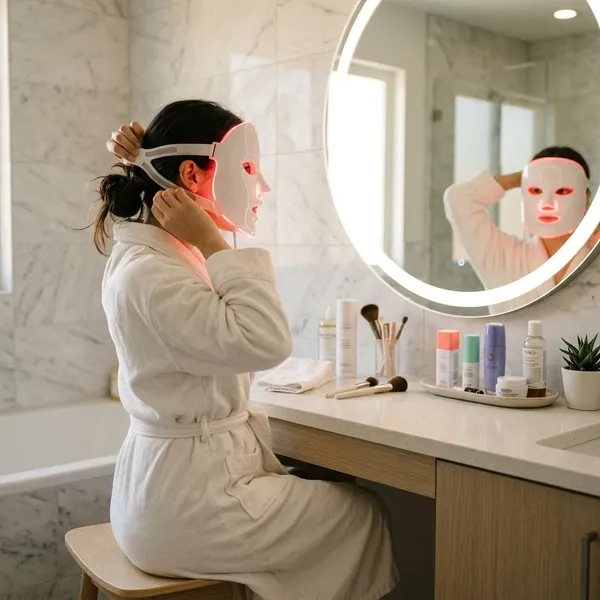
How to use an LED face mask
The safest routine is simple: cleanse, dry your skin, choose the mode that matches your concern, use the recommended time, then apply skincare afterward. Do not try to speed up results by stacking extra sessions or changing modes every day without a reason.
Start with clean dry skin
Clean, dry skin is usually the best starting point because makeup, sunscreen, oils, and heavy creams can sit between the light and your skin. If cleansing leaves your face tight, switch to a gentler cleanser rather than applying a thick product before the mask.
Choose the right light mode
Match the mode to the problem you care about most. Red light fits fine lines, texture, and dullness; blue light fits mild inflammatory acne; near-infrared is usually chosen for broader support when available.
If you have both occasional breakouts and early fine lines, a multi-mode mask can make sense. Use the device's recommended combination schedule instead of inventing your own rotation.
Follow the recommended treatment time
Follow the manufacturer's treatment time even if the session feels too short. With light-based devices, longer does not automatically mean better, and extra exposure can make the routine less comfortable.
- New user: start with the standard schedule, not the maximum possible use.
- Busy routine: choose a device with a session length you can repeat.
- Missed session: return to the schedule; do not double up unless instructed.
Stay consistent with the schedule
Consistency is where most people either get value or waste money. If you only use the mask once in a while, it is unlikely to do much. Taking photos in the same lighting every couple of weeks can make small changes in redness, tone, or texture easier to notice.
Apply skincare afterward
After the session, keep skincare calm and useful. A hydrating serum, moisturizer, or acne treatment that already suits your skin is enough. In the daytime, sunscreen matters more than adding another active product, because UV exposure can undo a lot of visible progress.

How to use LED masks safely
Safety comes down to three checks before anything else: the device instructions, your eye protection, and whether your skin or medication makes you more sensitive to light. A mask that feels harsh, has unclear directions, or encourages unlimited use is not a good choice.
Be more cautious if you have photosensitivity, certain eye conditions, a history of skin cancer, active irritation, rosacea, or prescription medications that may increase light sensitivity. In those situations, a quick check with a dermatologist, pharmacist, or healthcare professional is more sensible than guessing.
Follow the device instructions
Each mask can use different wavelengths, power levels, and treatment schedules, so do not copy a routine from another device. Clear instructions, a built-in timer, labeled modes, and eye-safety guidance are practical signs that the product is easier to use correctly.
Avoid longer or extra sessions
Extra sessions are one of the easiest mistakes to make. If you want faster results, it is tempting to use the mask longer, but that can increase irritation without giving better cosmetic improvement.
Check medication warnings
Some oral or topical medications can make skin more sensitive to light. If you use prescription acne treatments, certain antibiotics, mood stabilizers, strong exfoliating products, or anything that has caused light sensitivity before, ask a professional before starting.
Protect your eyes as directed
Use the eye protection or eye-positioning guidance that comes with the mask. Brightness tolerance varies: one person may feel fine, while another gets headaches, strain, or discomfort. If your eyes feel irritated, stop and reassess rather than pushing through.
Stop if irritation gets worse
Stop using the mask if redness, burning, rash, pain, swelling, hives, or eye discomfort gets worse. Mild warmth can happen with some devices, but worsening irritation is not a sign that the treatment is working better.
If symptoms continue after stopping, do not keep troubleshooting with more skincare products. Give the skin a break and consider professional advice, especially if you already have a skin condition.
Conclusion
An LED face mask is most worthwhile when your concern is mild, your expectations are realistic, and the device fits easily into your routine. Choose the light mode for your main skin goal, respect the treatment schedule, and be cautious with sensitive skin, medication warnings, and eye comfort. If your skin issue is painful, persistent, or medically complicated, professional advice should come before another at-home gadget.
FAQS
How often should you use an LED face mask?
Use it as often as the device instructions recommend, which may be several times a week or, for some masks, daily. Do not add extra sessions to make results appear faster.
Should you use an LED mask before or after skincare?
Most LED masks are used after cleansing and before serums, creams, or oils. If your device gives different instructions, follow the device directions instead.
How long does it take to see LED mask results?
Many people need several weeks of regular use before noticing subtle changes. Redness, tone, or texture may shift before fine lines or firmness look different.
Can LED masks help acne and wrinkles at the same time?
Yes, if the mask has modes that match both concerns. Blue light is usually used for mild inflammatory acne, while red light or near-infrared is more relevant for signs of aging.