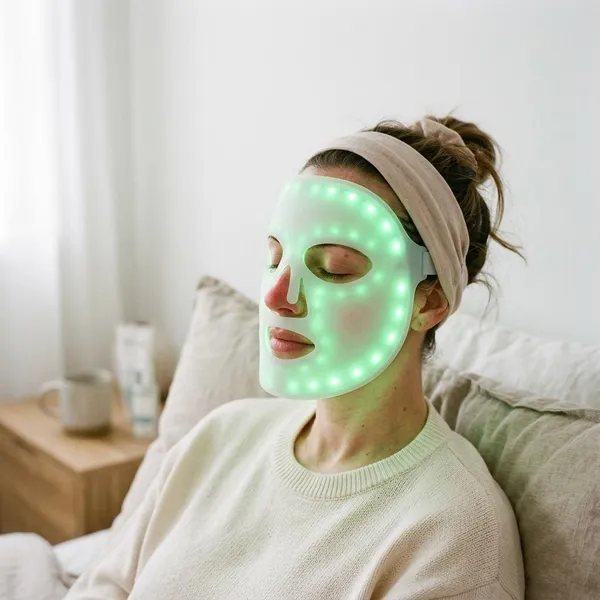
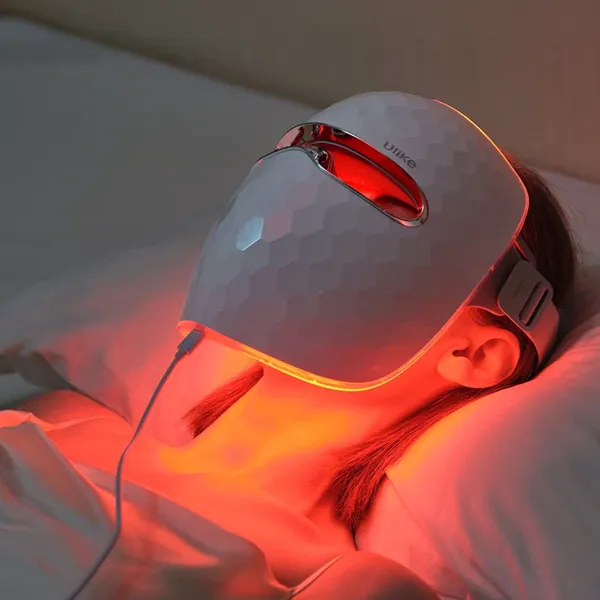
LED Face Mask What to Look For Before You Buy
Start with the boring details, because they are the ones that decide whether an LED face mask is actually worth using: wavelengths, coverage, fit, eye comfort, treatment time, and safety instructions. A mask with clear specs and a comfortable routine is usually a better buy than one with flashy colors, vague claims, or a design you will only tolerate once.
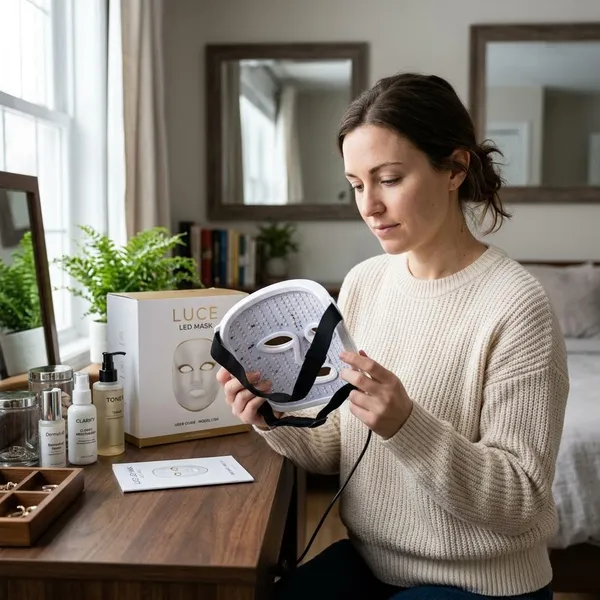
What to look for in an LED face mask
The first check is whether the mask matches your real skin goal and your real routine. If you want help with visible aging, acne-prone skin, redness, or dullness, the device should make its wavelengths and treatment schedule easy to understand before you buy.
Wavelengths that match your skin goal
Look for specific wavelength numbers, not vague names such as "beauty mode" or "repair light." Red light is commonly used in at-home masks for fine lines, texture, and overall skin tone; blue light is commonly aimed at acne-prone skin; near-infrared is often included for deeper-feeling support, though claims should still be treated carefully.
Even full-face coverage
Good coverage means the light is distributed across the forehead, cheeks, chin, jawline, and outer face rather than concentrated in one impressive-looking cluster. LED count can help, but placement matters more than the raw number.
Comfortable secure fit
A mask that feels fine for one minute can still be annoying for a full session. Check the weight, strap style, nose pressure, and whether the mask tends to lift away from the cheeks or jaw. For long-term use, comfort is not a luxury feature; it is what keeps the device from ending up in a drawer.
Reliable eye protection
Eye protection should be explained clearly. Some masks use built-in shields, some recommend keeping your eyes closed, and some suggest separate goggles. If you are prone to migraines, light sensitivity, or eye discomfort, treat this as a main buying factor rather than an afterthought.
Practical treatment time
A short session is often easier to keep up with than a long one. If a mask asks for 20 to 30 minutes several times a week, be honest about whether that fits your evenings. A device with a simple 5- or 10-minute routine may deliver better real-life value if you are likely to use it consistently.
Clear safety guidance
The brand should state how often to use the mask, how long each session lasts, who should avoid it, and when to ask a healthcare professional first. Missing warnings around photosensitivity, seizure disorders, certain skin conditions, pregnancy, or medication use are a red flag.
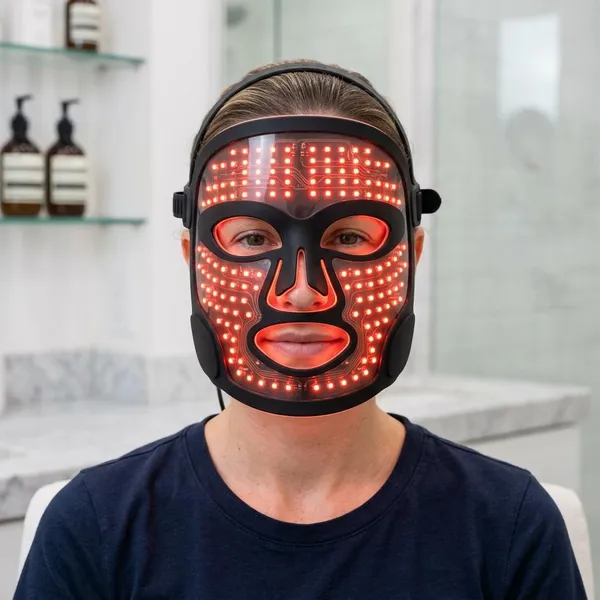
What makes good LED mask coverage
Coverage is where a lot of masks look better online than they feel at home. Product photos often show the front of the device, but the more useful view is the inside: where the LEDs sit, how far they reach toward the sides, and whether the shape keeps the light close to the skin.
Even light across the face
The goal is balanced exposure, not simply brightness. If one area sits close to the light while another has a large gap, the treatment may feel uneven over time. Interior photos, LED layout diagrams, and detailed user photos are often more useful than polished lifestyle images.
Coverage around the jaw and temples
Jaw and temple coverage is easy to overlook, but it matters if your concerns live at the edges of the face. A mask that stops too far forward may be fine for forehead and cheek use, but less satisfying for jawline blemishes, outer-eye texture, or early sagging around the lower face.
Consistent positioning during treatment
Positioning changes the moment a mask slides. If you plan to sit upright, answer messages, or move lightly during treatment, look for stable straps and balanced weight. If reviews often mention slipping, the mask may only work comfortably while lying still.
Minimal gaps around key areas
No mask fits every face perfectly, but major gaps around the nose, between the brows, beside the mouth, or along the lower cheeks reduce useful coverage. Flexible masks may contour more closely, while rigid masks depend more heavily on whether the shell happens to suit your face shape.
Which LED mask design should you choose
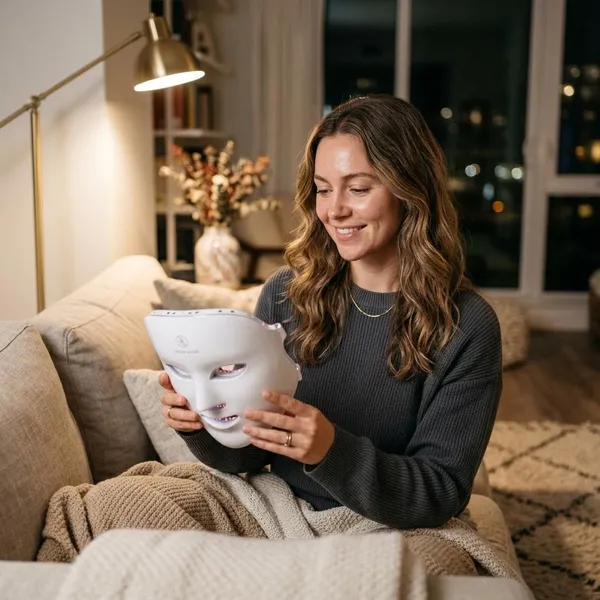
The best design depends on how you will actually use the mask. Someone who wants to treat while sitting on the sofa may care most about cordless use and stable straps. Someone who prefers a quiet skincare routine at the bathroom mirror may be perfectly happy with a more structured or wired design.
| Design choice | Best fit for | Watch out for |
|---|---|---|
| Flexible mask | Closer contouring around cheeks and jaw | Weak straps can make it shift |
| Rigid mask | Simple handling and a fixed shape | May leave gaps on some face shapes |
| Cordless mask | Easy use away from a plug | Battery life and charging frequency |
| Adjustable straps | Better fit across different heads and face shapes | Flimsy fasteners that loosen during wear |
Which features make an LED mask easier to use
Ease of use matters because LED skincare is not a one-time treatment. The mask has to be simple enough to repeat when you are tired, busy, or not in the mood for a complicated routine.
For beginners, I would favor fewer well-explained settings over a crowded control panel. For regular skincare users, small conveniences like automatic shutoff, easy cleaning, and a clear schedule can make the device feel much less annoying over time.
Short treatment sessions
Short sessions are easier to protect in a normal day. If you already skip long skincare steps, choose a mask with a realistic routine rather than assuming you will suddenly commit to lengthy treatments several nights a week.
Simple light controls
Controls should make it obvious how to choose a mode, start a session, and know when it has ended. This becomes more important when a mask offers multiple wavelengths, because confusing settings can lead to inconsistent use.
Comfortable eye shields
Eye shields should block glare without digging into the skin. A shield that technically protects but feels tight or distracting may still make you shorten sessions. If you are light-sensitive, look for reviews that mention eye comfort specifically, not just general comfort.
Easy charging and cleaning
Charging should be simple, and cleaning should not feel like a chore. A wipe-clean surface, clear charging indicator, and cable setup you will not lose easily are small details that matter more after the first week than they do on the product page.
Clear treatment schedules
Specific schedules reduce guesswork. Instructions such as "use for 10 minutes, 3 to 5 times weekly" are more useful than "use regularly." Clear timing also helps prevent the two common mistakes: overusing the mask at the start or quitting before giving the routine a fair trial.
What safety features should you check
Safety information should be easy to find before purchase, not buried after checkout. A responsible LED mask brand should explain the light specifications, session limits, eye protection, regulatory status, and who should avoid use or seek medical advice first.
This matters most for higher-risk situations: very light-sensitive users, people with seizure disorders, people taking photosensitizing medication, and anyone with a medical skin condition. If that applies to you, vague reassurance is not enough.
Clear wavelength specifications
Specific wavelength numbers help you compare devices and avoid empty marketing language. If a brand only says "anti-aging light" or "acne mode" without listing the actual wavelength range, it is harder to judge what you are buying.
Built-in treatment timers
A built-in timer or automatic shutoff keeps sessions controlled. It is especially useful if you like to multitask, because you do not have to watch the clock or guess whether you have used the mask too long.
Recommended eye protection
The instructions should say whether the mask includes built-in eye protection, whether separate goggles are recommended, and whether eyes should stay closed during use. If the brand avoids the topic, that is not a detail to ignore.
Regulatory and safety information
Look for clear, verifiable safety or regulatory information rather than official-sounding phrases with no details. In some markets, devices may mention FDA clearance or other recognized compliance information, but the stated use and documentation should be explained plainly.
Clear contraindications and warnings
Good warnings tell you when not to use the mask or when to ask a professional first. Pay particular attention to guidance around photosensitivity, epilepsy or seizure history, lupus or other light-sensitive conditions, photosensitizing medications, pregnancy, and breastfeeding.
Conclusion
The safest way to choose is to ignore the loudest claims and check the parts that affect daily use: clear wavelengths, useful coverage, a fit you can tolerate, sensible timing, and honest safety guidance. If two masks look similar, choose the one that explains more, fits your routine better, and gives you fewer reasons to skip sessions.
FAQS
Does the number of LEDs in a face mask matter?
Yes, but it is not the best single measure of quality. A lower LED count with smart placement can be more useful than a higher count that leaves the jaw, temples, or mouth area poorly covered.
Are expensive LED face masks worth it?
They can be, if the higher price buys better fit, clearer specs, stronger safety information, and a routine you will actually follow. A high price is not enough on its own; vague wavelengths or weak warnings are still a reason to hesitate.
What LED color is best for aging skin?
Red light is the usual starting point for visible aging concerns, and some masks pair it with near-infrared. If a device offers many colors, make sure the red or near-infrared settings are clearly specified rather than hidden behind beauty-mode names.