Is an LED Mask Right for Your Face and Neck?
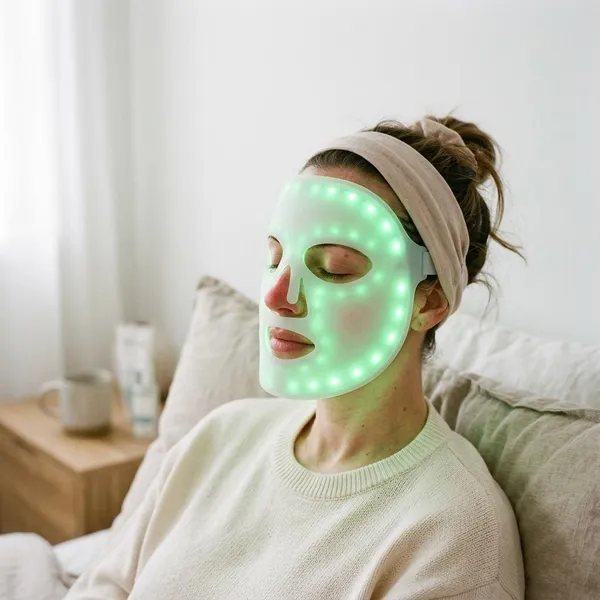
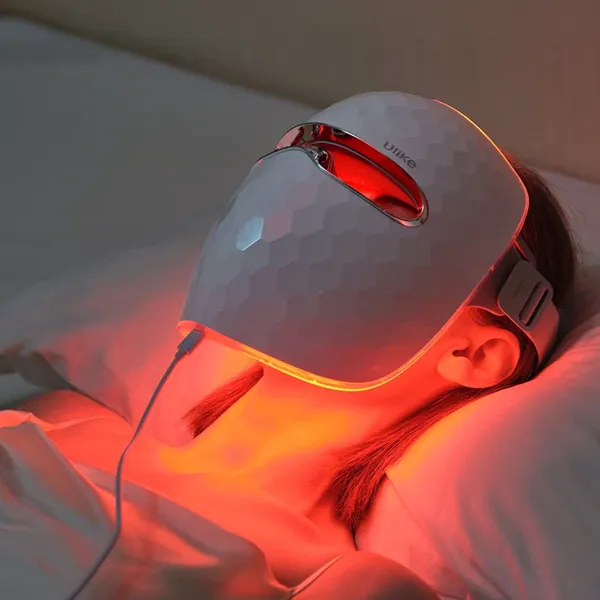
An LED mask for face and neck can be worth buying if you want gradual support for early aging signs, uneven texture, or mild acne-prone areas beyond the face. The key is not the longest feature list; it is whether the mask has the right wavelengths, covers the neck properly, and feels easy enough to use several times a week. Expect subtle skin-quality changes, not an at-home replacement for professional tightening treatments.
What can an LED face and neck mask help with?
LED masks are best suited to mild, cosmetic concerns: early fine lines, a dull or uneven-looking surface, mild firmness loss, and breakouts if the device includes blue light. They make the most sense when you want steady maintenance rather than a dramatic before-and-after change.
- Good fit: early lines, dullness, uneven texture, mild jawline or neck concerns.
- Possible fit: occasional breakouts, but only if blue light is included.
- Weak fit: advanced looseness, deep folds, cystic acne, or expectations of a lifted neck.
Fine lines and early signs of aging
Red light is usually the main setting to look for if fine lines are your first concern. It may help the skin look smoother and fresher over time, especially when lines are still shallow around the cheeks, mouth, jawline, or upper neck.
Uneven-looking skin texture
Texture is often where people notice changes first. Skin may look less dull, a little calmer, and more even in how it reflects light, even before fine lines look different.
Mild loss of firmness
Mild firmness concerns are where near-infrared can matter, especially on the neck and jawline. The best expectation is a slightly healthier, more supported look over time, not a sharp lifting effect.
For someone using a mask year-round as part of a simple routine, that small improvement may feel worthwhile. For someone buying it right before an event and expecting visible tightening in a week, it is probably the wrong tool.
Acne-prone skin when blue light is included
Blue light is the setting to check for if blemishes are part of the reason you are shopping. It is most relevant for mild acne-prone areas such as the chin, jawline, or upper neck, where breakouts can overlap with aging concerns.
- Choose blue light if: you get regular mild breakouts and want extra support.
- Skip it if: your only goal is fine lines, tone, and firmness.
- Be more cautious if: acne is painful, cystic, or leaving marks; professional advice is usually smarter.
Overall skin tone and appearance
Many people use LED less for one single wrinkle and more for general skin quality. Treating the face and neck together can make the result look more balanced, especially if the face looks cared for but the neck appears dull, dry, or uneven.
Which wavelengths matter most?
Start with your main concern, then check the wavelengths. Red and near-infrared are usually the priority for aging-related concerns, while blue light is mainly worth paying for if acne-prone skin is part of the problem.
| Skin goal | Wavelength to look for | What to expect |
|---|---|---|
| Fine lines and dullness | Red light | Gradual improvement in surface smoothness and glow |
| Mild firmness support | Near-infrared | Subtle support for skin that looks thin or slack |
| Breakout-prone areas | Blue light | Useful only when acne is a real concern |
| Mixed concerns | Multiple modes | Practical if the controls are still simple to use |
Red light for skin renewal and fine lines
Red light is often the safest starting point for people buying an LED mask for aging-related skin changes. Many home devices use red wavelengths in the low 600nm range, commonly promoted for skin renewal and the appearance of fine lines.
Near-infrared for deeper skin support
Near-infrared is often included to support concerns below the surface level. It is especially relevant if the neck looks thinner or less firm than the face.
Blue light for acne-prone skin
Blue light matters when breakouts are a genuine issue. If blemishes appear mostly around the chin, lower face, or upper neck, having blue light in the same device can make the routine more useful.
Multiple wavelengths for mixed skin concerns
A multi-wavelength mask can be helpful if your skin concerns change by season or situation. For example, someone may use red and near-infrared most of the year, then rely on blue light more during oily summer months or breakout-prone weeks.
Do LED masks work on the neck?
LED masks can work on the neck, but the neck usually responds more slowly and less dramatically than the face. The skin is thinner, moves often, and can show laxity in a way light therapy cannot fully correct.
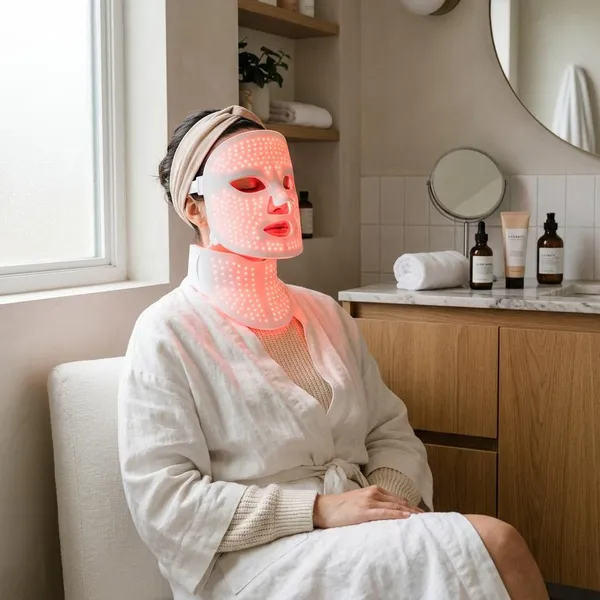
A neck attachment is most worth considering when the neck is already part of your concern, not just because the product looks more complete. If you only care about forehead lines or occasional facial breakouts, a face-only mask may be enough. If you dislike the mismatch between a smoother face and a crepey-looking neck, dedicated neck coverage becomes more useful.
Results are usually gradual
Neck results usually build slowly. Early changes may look like smoother texture or a less tired tone rather than obvious firmness.
Fine lines may soften with consistent use
Fine horizontal neck lines may soften if they are still mild and the device is used consistently. Short, regular sessions are more realistic than occasional long sessions, and they are usually closer to how home devices are designed to be used.
Skin may look smoother and more even
This is often the most realistic neck benefit. Even without major tightening, the skin may look less patchy, less dry-looking, and more blended with the face.
Mild firmness may improve over time
Mild firmness may improve slightly, particularly when red light and near-infrared are both included. If your concern is early looseness, the device may be a reasonable maintenance tool; if the neck skin folds heavily or hangs, expectations should stay very conservative.
How to use an LED mask on your face and neck
The best routine is simple: clean skin, even placement, the recommended session length, and a schedule you can repeat. Using the mask correctly is more important than adding extra minutes or stacking it with too many active skincare products.
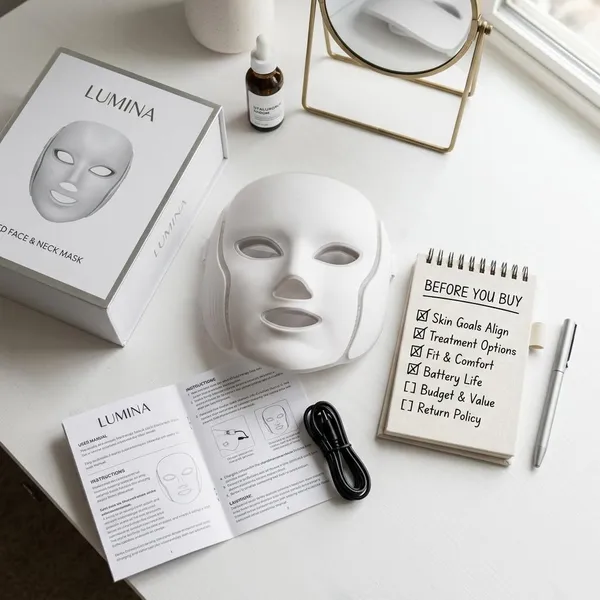
Before buying, check the practical details that affect whether you will actually use it: comfort, strap fit, eye area design, neck coverage, charging style, and how easy the controls are to understand. A slightly less advanced mask that fits well can be better than a premium one that feels awkward.
Start with clean dry skin
Use the mask on clean, dry skin unless the brand gives different instructions. Remove makeup, sunscreen, and heavy product residue first so the device sits comfortably and stays cleaner.
If you use strong actives such as retinoids or exfoliating acids, applying them after the session is often the more cautious approach. Sensitive skin especially benefits from keeping the LED step plain and uncomplicated.
Position each piece for even coverage
Take a moment to adjust the face and neck pieces before turning the device on. Gaps around the jawline, under the chin, or along the sides of the neck can leave the exact areas you care about with less exposure.
- Face: check cheeks, forehead, and jawline coverage.
- Neck: make sure the front of the neck is not slipping forward or hanging loose.
- Comfort: snug is fine; painfully tight is not.
Follow the recommended treatment time
Follow the timing given by the manufacturer. Many home masks are designed for short sessions, often around 10 to 20 minutes, but the correct number is the one given for your specific device.
More time is not automatically better. If longer sessions make the routine annoying, you are more likely to stop using the mask before results have a chance to build.
Keep a consistent weekly schedule
Pick a schedule you can maintain for at least several weeks. For a busy routine, three realistic sessions a week are usually better than planning daily use and quitting after a few days.
- Cleanse and dry the face and neck.
- Fit the face mask and neck piece evenly.
- Select the mode that matches your goal.
- Complete the recommended session time.
- Apply gentle skincare afterward if your skin needs it.
Clean the device after use
Wipe the device as directed after each session, especially where it touches the nose, chin, jaw, and neck. Oils, sweat, and skincare residue build up quickly, and a clean mask is more comfortable to keep using.
If more than one person uses the device, cleaning is not optional. Shared skin-contact tools need stricter hygiene to avoid turning a helpful routine into an irritation or breakout trigger.
Conclusion
The best choice is the mask you can use consistently and that matches your main concern: red and near-infrared for early aging and neck support, blue light only if breakouts matter, and a proper neck attachment if coverage below the jawline is a real priority. If you want gradual skin-quality maintenance, a face-and-neck system can make sense; if you expect major tightening or fast wrinkle removal, it is better to save your money for a more targeted treatment.
FAQS
Can you use a regular LED face mask on your neck?
Sometimes, but it usually will not sit evenly. Occasional use on the upper neck may be fine if the brand allows it, but a dedicated neck piece is better when neck lines or crepey texture are a main concern.
How long does an LED face and neck mask take to work?
Expect several weeks before judging early changes. Texture and glow may show first, while fine lines and firmness usually need longer, often closer to a few months of steady use.
Can LED light help with neck wrinkles and crepey skin?
It may help mild crepiness look smoother, especially when red light or near-infrared is used consistently. Deep folds or loose hanging skin usually need a stronger professional option.
Is red light or near-infrared better for aging skin?
Red light is usually better for surface-level renewal and fine lines, while near-infrared is chosen for deeper support. For aging concerns on both face and neck, having both is often the most practical setup.