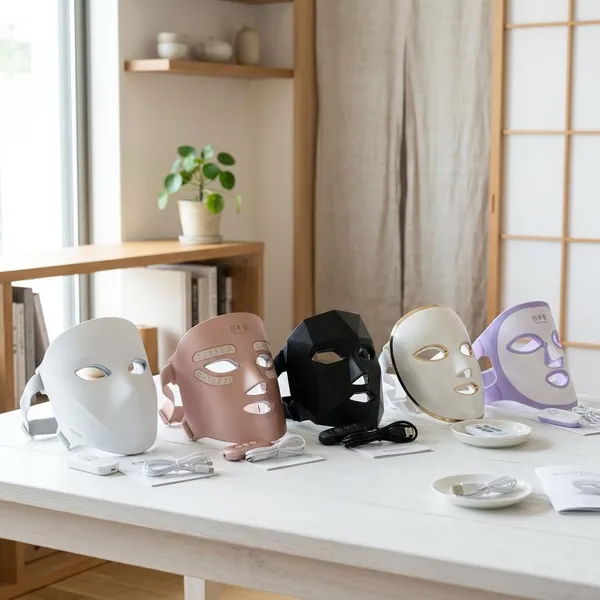
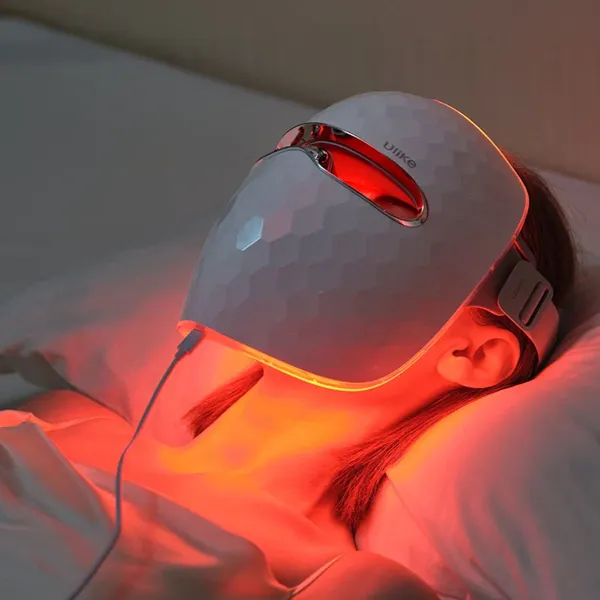
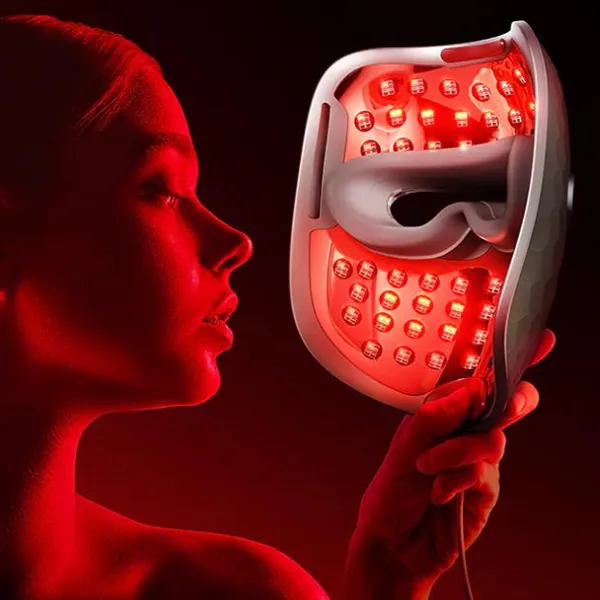
Which Red Light Therapy Mask Protects Your Eyes?
If you are buying a red light therapy mask with eye protection, check the eye instructions before you compare skincare claims. Some masks are designed to be used without goggles, some need inserts or goggles, and some are simply a poor fit for people with light sensitivity or existing eye conditions.
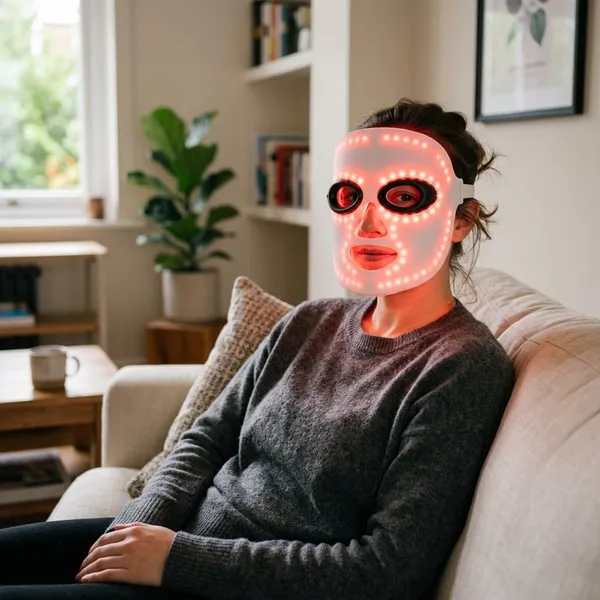
Do red light masks need eye protection?
Red light masks do not all need the same level of eye protection. The safest first check is not the product photo or influencer video, but the brand's own instructions: does it say to use goggles, close your eyes, fit eye inserts, or avoid use with certain eye conditions?
If the manual is vague about the eye area, treat that as a warning sign. At-home LED masks may be cosmetic devices, but light close to the eyes can still cause glare, watering, headaches, or lingering visual discomfort for some users.
- Check first: the manual's eye-use instructions and session limit.
- Check next: whether shields, inserts, or goggles are included or sold separately.
- Be more cautious: if you have light sensitivity, migraines, recent eye surgery, retinal concerns, glaucoma, or another diagnosed eye issue.
Some models require protective eyewear
Some masks are meant to be used with protective eyewear every time. That may be because the LEDs sit close to the orbital area, the mask includes brighter modes, or the brand tested the device with a specific insert or goggle setup.
For a long-term routine, this is not a small detail. If you plan to use the mask several times a week, uncomfortable goggles or badly fitting inserts can become the reason you stop using it. Before buying, check whether the recommended protection comes in the box and whether replacements are available.
Others allow use without goggles
Other masks are designed for use without separate goggles, usually because the eye area is recessed, shielded, or tested for that type of use. That can be convenient if you want a quick, low-fuss skincare routine.
Still, "no goggles required" does not mean "comfortable for everyone." A person using a mask occasionally for a short evening routine may be fine, while someone who is sensitive to bright light may still prefer optional inserts or closed-eye use if the manufacturer allows it.
Eye conditions may require medical advice
If you have an eye condition, recent eye procedure, strong light sensitivity, or unexplained vision symptoms, ask an optometrist or ophthalmologist before using an LED mask near your eyes. A cosmetic device may be low risk for many users, but your own eye history can change what is sensible.
Eye protection options for LED masks
Eye protection on LED masks usually falls into three practical designs: built-in shielding, removable inserts, or manufacturer-recommended goggles. The best choice depends less on marketing language and more on how the mask fits your face in real use.
A simple way to compare options is to imagine the routine you will actually keep. If you want the fastest setup, built-in shielding is appealing. If more than one person will use the mask, removable inserts can be useful. If bright light bothers you, approved goggles are usually the more cautious choice.
Built-in eye shields
Built-in eye shields are part of the mask itself, often as raised borders, molded contours, recessed eye wells, or soft rings around the eye area. They are convenient because there is nothing extra to attach or lose.
The weak point is fit. If the mask lifts around the nose bridge or cheeks, small gaps can let in more glare than expected. For people with a smaller face, deep-set eyes, or a high nose bridge, reviews that mention eye comfort can be more useful than polished product photos.
Removable eye inserts
Removable inserts give you more flexibility because they can often be added for a darker session and removed when the brand permits a more open setup. They are especially useful in a shared household where one person is relaxed around bright light and another wants stronger shielding.
- Look for secure attachment: inserts should not shift during the session.
- Check replacement access: small silicone parts are easy to misplace.
- Test pressure points: protection should not press painfully around the eyes.
Manufacturer-recommended goggles
Manufacturer-recommended goggles are usually the safer choice when a mask feels very bright or the manual specifically calls for eyewear. They are chosen for that device's shape, spacing, and intended use, which matters more than simply making the light look dimmer.
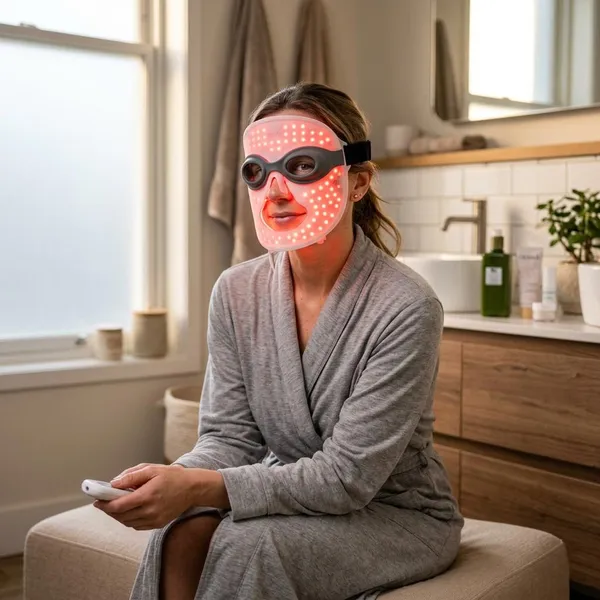
How to use the mask with eye protection
Correct use matters as much as the protection style. Most problems come from simple things: inserts not seated properly, straps pulled too tight, eyes kept open when the manual says otherwise, or sessions running longer than recommended.
Use the eye protection as part of the device, not as an optional accessory you add only when the light feels intense. If something feels wrong around the eyes, pause before trying to "get used to it."
Fit the recommended shields or goggles
Fit the shields, inserts, or goggles before switching the LEDs on. In normal room light, it is easier to spot a crooked insert, an uncomfortable pressure point, or a gap near the nose bridge.
The fit should feel stable, not tight. If the mask shifts when you move your head slightly, adjust the straps rather than pulling the mask harder against your face.
Follow instructions on keeping eyes open or closed
Follow the manual's eye-position instructions exactly. If the brand says goggles are required, closing your eyes is not a replacement. If the brand allows open-eye use but the brightness distracts you, closing your eyes may be a reasonable comfort choice as long as it does not conflict with the instructions.
- Start with clean, dry skin so the mask sits evenly.
- Fit the approved eye protection before turning the device on.
- Adjust the straps until the mask is stable without pressure.
- Use the eye position recommended by the manufacturer.
Stay within the session limit
Stay within the time limit given by the manufacturer. More minutes do not automatically mean better skin results, and longer exposure can make glare, dryness, pressure marks, or headaches more likely.
If the mask has no automatic shutoff, use a phone timer. That small habit matters more than trying to estimate time while your eyes are closed or covered.
Stop if eye discomfort or vision changes occur
Stop the session if you notice eye pain, strong watering, persistent afterimages, blurred vision, unusual headaches, or any vision change that does not fade quickly. Remove the mask, check whether the protection shifted, and do not restart just to finish the session.
If symptoms return or you already have an eye condition, get professional advice before using the device again. Skincare benefits are not worth pushing through eye discomfort.
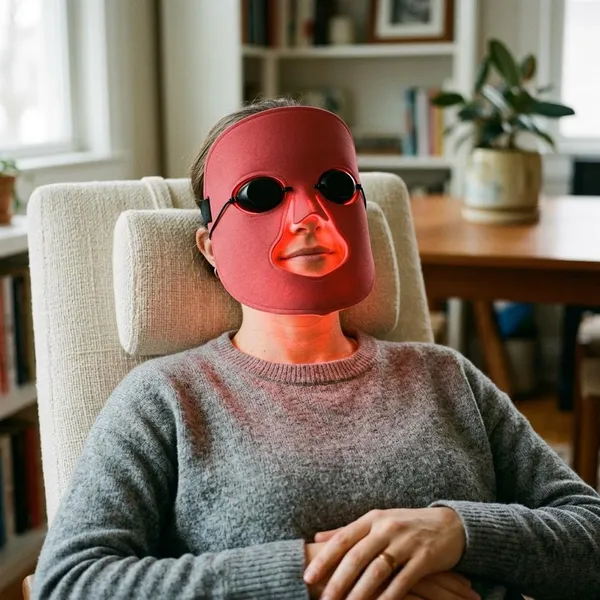
Conclusion
The best choice is the mask whose eye instructions you can follow comfortably every time: built-in shields for a simple routine, removable inserts for flexible use, or approved goggles when the device or your eyes need stronger protection. If the brand is unclear about the eye area, or if you have an existing eye concern, choose caution before convenience.
FAQS
Does closing your eyes replace goggles?
No. Closed eyelids may make the light feel less bright, but they do not replace goggles when the manufacturer requires protective eyewear.
Can I wear sunglasses instead of LED goggles?
Usually not. Sunglasses are not designed to seal around the eyes under an LED mask, so they may leave gaps or affect the mask fit.
Do silicone eye rings provide full protection?
Not always. Silicone rings can reduce glare, but their protection depends on the mask shape and how closely they sit against your face.
Are LED eye treatment masks protective eyewear?
No. An LED eye treatment mask is still a treatment device, not safety eyewear, unless the manufacturer specifically says it can be used that way.