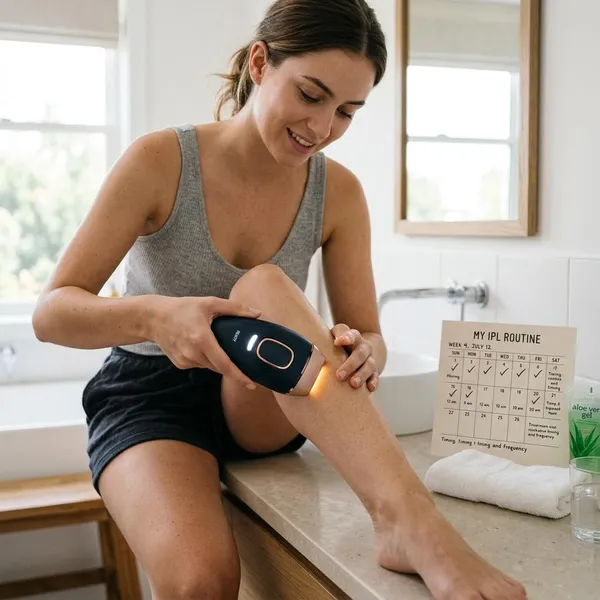
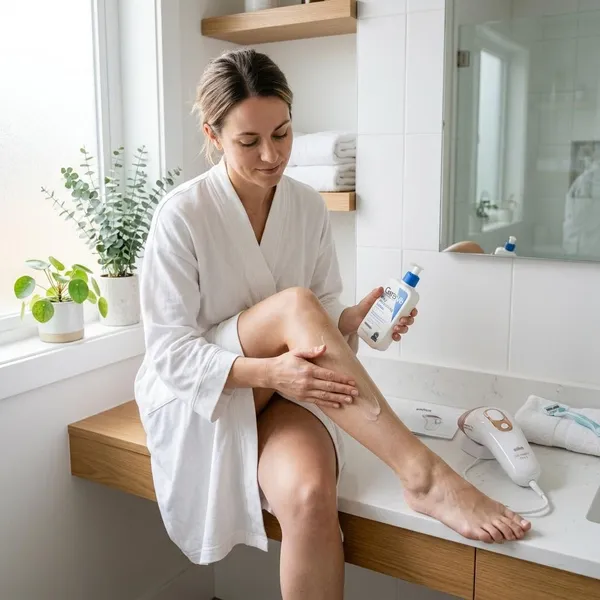
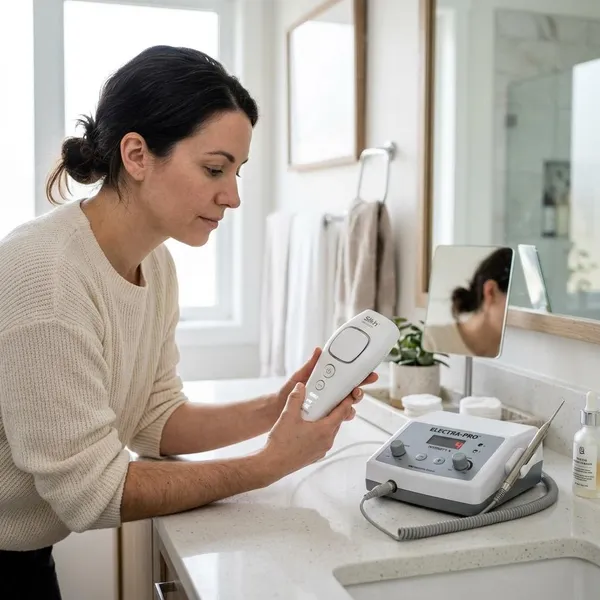
How Can You Safely Use IPL for Bikini Hair Removal?
At-home laser hair removal for the bikini area can work well if you mean IPL, have suitable hair and skin contrast, and treat only the external bikini line approved by your device. The first things to check are simple: dark enough hair, an allowed skin tone, a device that is cleared for the bikini line, and a schedule you can realistically follow.
Can you do bikini laser hair removal at home?
Yes, many people can reduce bikini-line hair at home, but the safe version is more specific than "treat anywhere you see hair." Home IPL is usually intended for the outer bikini line, where the skin is flatter and easier to contact evenly with the device window.
Most home devices actually use IPL
The word "laser" is often used casually, but most home hair-removal devices use IPL, or intense pulsed light. IPL sends broad-spectrum light into pigment in the hair, which creates heat around the follicle and can reduce regrowth over repeated sessions.
That difference matters when choosing a device. Do not buy only because a page says "laser"; check the skin-tone chart, hair-color chart, treatment-area guidance, and safety features. Those details tell you more than the label.
Bikini hair can respond well to IPL
Bikini hair is often a good IPL target because it tends to be darker and coarser than fine hair on the arms or stomach. Early progress usually looks like slower regrowth, softer stubble, or patchier return rather than instant smooth skin.
- Good match: dark brown or black bikini hair with an approved skin tone.
- Uncertain match: mixed hair colors, recent tanning, or very sensitive skin.
- Poor match: blonde, red, gray, or white hair with little pigment.
Treatment should stay within approved areas
The safest rule is to treat only the areas named in your device manual. For many home IPL devices, that means the bikini line rather than the entire pubic area. Avoid internal skin, mucous membranes, and areas where you cannot place the treatment window flat.
Why does IPL work well on bikini hair?
IPL works best when the light can "see" the hair more clearly than the skin around it. That is why bikini hair often responds better than pale, fine body hair: it commonly has more pigment and a thicker shaft, giving the device a stronger target.
Coarse hair often contains more pigment
Coarse bikini hair usually holds more melanin than very fine hair, so it can absorb IPL energy more effectively. The tradeoff is comfort: dense hair may feel warmer during the first few treatments, which is a good reason to start lower instead of jumping straight to the highest setting.
Dark hair absorbs IPL energy more effectively
Black and dark brown hair usually give IPL the clearest target. If your bikini hair is mostly dark, you are more likely to notice the classic early signs: fewer sharp stubbles, slower regrowth after shaving, and small areas that grow back thinner.
If only some hairs are dark, results may be uneven. Dark strands may reduce while lighter strands stay almost the same, which can look like patchy performance even when the device is doing what IPL can realistically do.
Hair and skin tone affect suitability
Your first safety check should be the device's skin-tone and hair-color chart. IPL reacts to pigment in both hair and skin, so a skin tone that is too dark for the device may absorb more heat at the surface instead of directing energy mainly toward the follicle.
This can change by season. Someone who is within the safe range in winter may need to pause after tanning or a sunny vacation. If your bikini line is recently sun-exposed, irritated, or darker than usual, postpone treatment until the skin is calm and back within the approved range.
Light hair usually responds poorly
Light blonde, red, gray, and white hair usually do not contain enough pigment for strong IPL results. The device may still flash and feel warm, but that does not mean the follicle is absorbing enough energy to reduce regrowth.
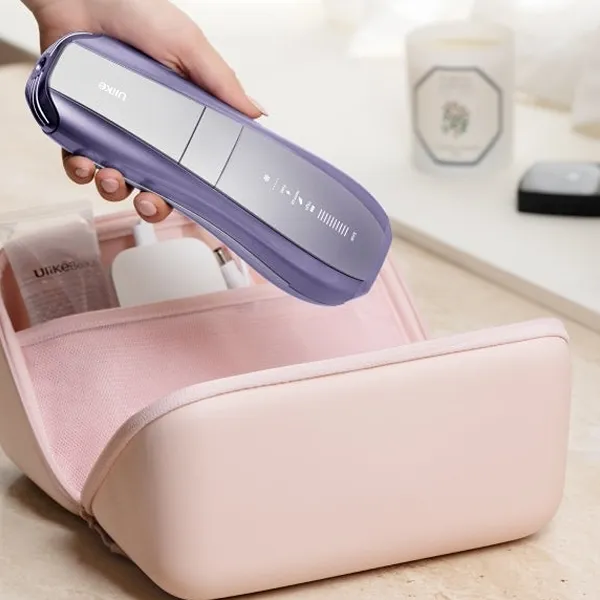
Is Ulike Air 10 good for bikini hair?
Ulike Air 10 can be a sensible option for bikini-line IPL if your skin tone and hair color match its guidance and you want a device focused on comfort. The bikini area is small, so speed matters less than control, cooling, and whether you will actually keep using it week after week.
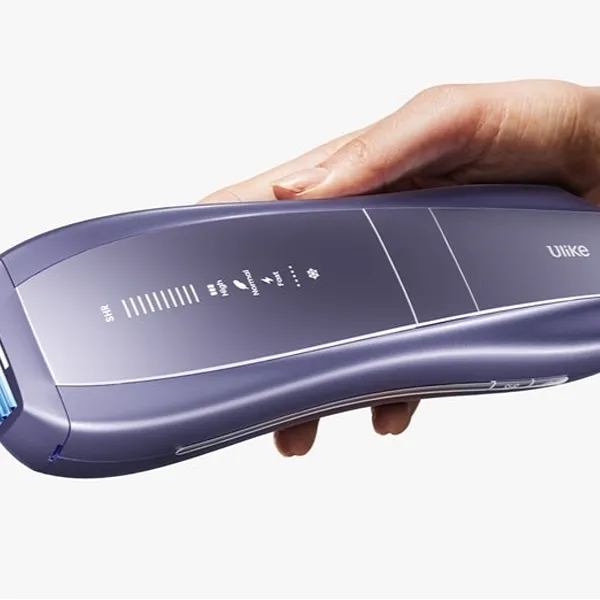
SHR Mode targets stubborn bikini hair
SHR Mode is meant for more stubborn hair, which can make it useful on coarse bikini-line growth. It should not be treated as a shortcut, though. Dense hair still needs repeated sessions, and the mode you choose should stay within the comfort and safety limits in the manual.
For someone using IPL only on lower legs, a basic mode may feel enough. For someone buying a device mainly because shaving the bikini line causes bumps or rough regrowth, a mode intended for tougher hair can be more relevant.
Sapphire Ice Cooling helps manage heat
Sapphire Ice Cooling can make bikini treatments feel less sharp by reducing surface heat during flashes. That is useful because comfort often decides whether a person finishes the full routine or gives up after two sessions.
- Use cooling as support: it can improve comfort, not remove all sensation.
- Still patch test: especially before treating a sensitive bikini edge.
- Stop if skin reacts badly: burning, blistering, or strong lingering redness is not normal.
Multiple modes suit different hair thicknesses
Multiple modes are helpful when one body area is not like another. You may want a gentler setting near the more sensitive edge of the bikini line and a stronger approved mode on thicker outer growth. That flexibility is more useful than simply using the highest intensity everywhere.
How to use IPL on the bikini line
A good bikini IPL routine is careful rather than aggressive. Shave first, treat clean dry skin, use a setting you can tolerate, and move in a small pattern so you do not miss strips or flash the same patch repeatedly.
Start with a suitable intensity
Begin lower than you think you need, especially if this is your first bikini session or you are using a new device. Mild warmth or a light snapping feeling can happen, but sharp pain or a burning feeling means you should stop and reassess.
If your skin looks calm after the patch test and first session, increase gradually only as the instructions allow. A slightly lower setting that you can repeat consistently is usually better than a strong setting that makes you avoid the next treatment.
Keep the window flat on the skin
The treatment window needs full, flat contact so the flash is delivered evenly and any contact sensors can work properly. On the bikini line, gently stretching the skin or changing your stance can help the device sit flush instead of tilting at the edge.
Treat small sections systematically
Work in narrow strips rather than moving randomly. The bikini area is small, but missed patches are common when you rush.
- Start at one outer edge of the bikini line.
- Flash one small section with the window flat.
- Move to the next neighboring section with only slight overlap.
- Keep the same direction until the area is complete.
Avoid excessive flashes on one spot
Follow your device's instructions for how many passes to make over each area. For Ulike devices, the current guidance recommends treating each skin area 2–3 times in one session and no more than 4 times, while avoiding excessive repetition.
Do not keep flashing the same patch beyond the recommended number in an attempt to speed up results. Extra treatment can increase skin irritation without replacing the need for consistent sessions over time.
Follow the device treatment schedule
Follow the schedule from your device rather than treating whenever you remember. Many home IPL routines start with frequent sessions for several weeks, then move into maintenance, but the exact timing should come from the brand's instructions.
Conclusion
Home IPL can be a good bikini-line choice when the hair is dark, the skin tone is approved, and the goal is gradual reduction on external areas only. Choose comfort and control over rushing the process: a device you can use safely and consistently will do more for your results than an aggressive first session.
FAQS
Do you need to shave before bikini IPL?
Yes, most devices require shaving before treatment. Shaving leaves the follicle under the skin while removing surface hair that could heat up during the flash.
Is cooling IPL better for the bikini area?
It can be better if discomfort is what stops you from staying consistent. Cooling helps manage surface heat, but it does not replace using the right intensity or avoiding irritated skin.
How long does bikini IPL take to show results?
Some people notice softer or slower regrowth after a few sessions, while clearer reduction often takes several weeks of regular use. If your hair and skin are only a borderline match, results may be slower or limited.