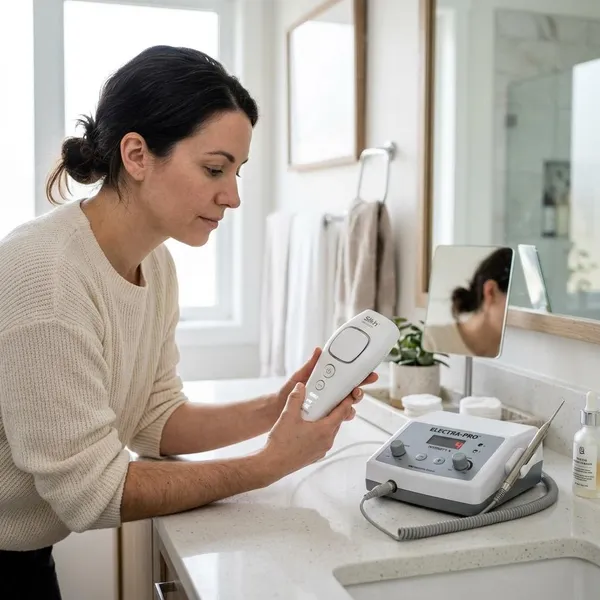
How Should You Prep Your Skin Before Home IPL?
Prep for at-home laser or IPL works best when you keep it simple: check that your skin and hair are suitable, shave the area, wash off anything sitting on the skin, and only treat skin that looks calm. If the area is tanned, irritated, freshly waxed, or coated with product, it is usually better to wait than force the session.
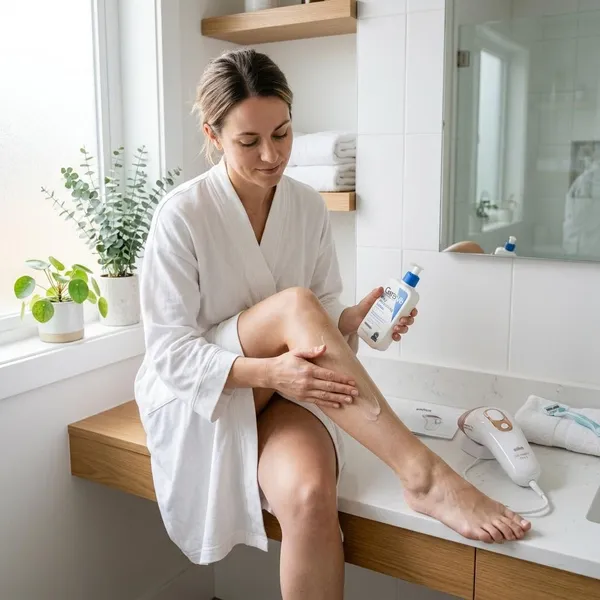
How to prepare your skin before treatment
Start with the checks that can actually change your decision: compatibility, skin condition, visible hair, residue, and dryness. A clean-looking area is not always ready, especially if you shaved too aggressively, used deodorant earlier, or spent time in the sun.
Check skin and hair compatibility
Before the first session, check the compatibility chart in your device manual. Home laser and IPL devices usually rely on contrast between hair pigment and skin tone, so very light blonde, gray, white, or red hair may respond poorly, and some deeper skin tones may not be suitable for every device.
Do not guess based on someone else's routine. A friend using IPL safely on pale legs does not mean the same setting is safe for tanned arms, darker skin, or areas with dense pigment. Also avoid tattoos, very dark moles, broken skin, and any body area your device specifically excludes.
Remove visible hair as directed
Shaving is usually the right method before at-home laser or IPL because it removes hair above the skin while leaving the root area in place for the light to target. Waxing, plucking, epilating, and sugaring remove that target, so they are not good prep methods when you are actively following a treatment schedule.
If shaving makes your skin bumpy or itchy, shave earlier rather than immediately before the session. For example, someone treating underarms after work may do better shaving the night before, while someone with low-irritation leg shaving may be fine shaving closer to treatment if the manual allows it.
Wash off products and residue
The treatment area should be bare skin. Wash off lotion, oil, sunscreen, deodorant, makeup, perfume, and any leftover shaving product with a mild cleanser and lukewarm water.
- Underarms: deodorant can hide in skin folds, even after a quick rinse.
- Legs: body lotion, sunscreen, and oil can leave a slick film.
- Face or upper lip: makeup and skincare residue should be fully removed first.
- Bikini line: avoid fragranced products if the area is easily irritated.
If the skin still looks shiny, tinted, or slippery after washing, clean it again before using the device.
Dry the skin completely
Skin should be completely dry before treatment. Pat the area with a towel, then give it another minute if it still feels damp, especially around underarms, bikini lines, or anywhere skin folds trap moisture.
Check for cuts or irritation
Skip any area with cuts, razor burn, inflamed bumps, rash, peeling, or skin that feels hot, raw, or unusually tender. One missed session is less of a setback than treating irritated skin and then needing a longer break while it calms down.
Patch test when recommended
A patch test is worth doing before your first full session, after changing intensity, or when moving to a more sensitive area. Treat a small spot, wait for the time listed in your manual, and only continue if the skin response stays normal for you.
Patch testing is especially useful after a change in routine, such as more sun exposure, a closer shave than usual, or starting exfoliating body products. It is a quick way to avoid testing a new risk on a large area.

Why skin prep matters
Skin prep is not just about making the area look tidy. It helps the device work on the intended target, reduces avoidable discomfort, and makes each session easier to repeat consistently.
Reduces heat on surface hair
Longer hair sitting above the skin can absorb extra heat, which may cause a stronger smell, more warmth, or a sharper sensation during the flash. A close, gentle shave helps keep the focus below the surface rather than on visible hair.
This is more noticeable on coarse areas such as underarms or the bikini line. If those areas already feel sensitive after shaving, give them time to settle before treating.
Keeps residue away from the flash
Product residue can sit between the device window and your skin. That can make contact less even, smear the flash window, or make the skin feel warmer than expected.
Think of a quick underarm session after a normal workday: even if the area looks clean, deodorant can still be there. Washing first is faster than stopping halfway through because the device window feels sticky or the flashes feel inconsistent.
Helps lower skin irritation
Calm skin usually tolerates treatment better than skin that is freshly scrubbed, sunburned, fragranced, or already inflamed. Prep lowers irritation mostly by removing avoidable triggers before the flash happens.
- Better time to treat: skin is clean, dry, recently shaved, and not tender.
- Better time to wait: skin is red, peeling, stinging, bumpy, or newly tanned.
Supports more consistent treatment
At-home results depend on repeated sessions, so a repeatable prep routine helps you compare like with like. If you shave, cleanse, dry, and check the same way each time, it becomes easier to notice whether irritation came from the device, the setting, shaving, sun exposure, or a product you used earlier.
That consistency is useful for long-term users, but it also helps beginners avoid random changes. Changing the intensity, body area, shave timing, and skincare routine all at once makes it much harder to know what caused a reaction.

What to avoid before treatment
The biggest mistakes are treating skin that has more pigment than usual, skin that is already irritated, or skin that has something sitting on top of it. If you are unsure, use the more cautious option and wait until the area looks and feels normal again.
Recent tanning or sunburn
Avoid treating recently tanned or sunburned skin, including tanning beds and strong outdoor sun exposure. More pigment in the skin can make treatment less predictable, and sunburned or peeling skin is not a good surface for IPL or laser use.
For a summer routine, this may mean planning sessions away from beach days, holidays, or long outdoor weekends. If the area looks darker than usual, feels warm, or is peeling, postpone treatment and follow the waiting period in your device instructions.
Self-tanner on the treatment area
Do not use an at-home laser or IPL device over self-tanner. Even though fake tan is not the same as a sun tan, it darkens the surface and can interfere with how safely and evenly the device treats the area.
Check stubborn spots carefully, such as ankles, knees, elbows, underarms, and bikini edges. Self-tanner often fades unevenly there, and patchy leftover color is a good reason to wait.
Lotion, oil, deodorant, or makeup
Avoid treating over lotion, oil, deodorant, sunscreen, makeup, perfume, or heavy skincare. Lightweight products still count if they leave a film on the skin.
Also be cautious with retinol, AHAs, BHAs, strong scrubs, or exfoliating pads on the treatment area. If your skin is sensitive or recently irritated, pausing active products for several days before a session is usually the safer choice, unless your device instructions give different timing.
Conclusion
Good prep is mostly about knowing when to go ahead and when to wait. If your skin is compatible, shaved, clean, dry, and calm, you are in a much better position for a comfortable home session; if it is tanned, coated with product, freshly waxed, or irritated, postponing is the smarter choice.
FAQS
Can I shave two hours before at-home laser hair removal?
Yes, if your device allows it and shaving does not leave your skin red or bumpy. If you often get razor irritation, shave the day or night before instead.
Can I wax or epilate before at-home IPL?
No, not when you are preparing for an IPL session. Waxing and epilating remove the hair from the root area, while IPL needs that target to remain under the skin.
Should skin be completely dry before treatment?
Yes. After washing, dry the area fully and check skin folds or underarms where moisture can linger.