How Much Does At-Home Laser Hair Removal Cost?
At-home devices usually cost much less than a full clinic plan, but the right price depends on what you actually need to treat. For most shoppers, laser hair removal cost at home means roughly $80 to $700+, with IPL devices at the lower end and true home laser devices usually higher. The first thing to check is not the fanciest feature list, but whether the device suits your skin tone, hair color, and the size of the areas you want to treat.

How much does at-home laser hair removal cost
Most at-home hair removal devices fall into a few practical price bands. Budget IPL can start around $80, while premium IPL and true at-home laser devices can reach $500 to $700 or more. The cheapest option is not always bad, but it may be slower, less comfortable, or less suitable for larger areas.
| Device type | Typical price range | Best fit | Main tradeoff |
|---|---|---|---|
| Budget IPL | $80 to $150 | Small areas, first-time testing | Slower sessions and fewer comfort features |
| Mid-range IPL | $150 to $350 | Regular use on underarms, bikini line, arms, or lower legs | May lack premium cooling or attachments |
| Premium IPL | $350 to $500+ | Larger areas, sensitive users, long-term routines | Higher upfront cost |
| At-home laser | $400 to $700+ | People who specifically want laser-style technology | Usually pricier and less common than IPL |
What affects the price of a home device
The biggest price differences usually come from technology type, treatment speed, cooling, safety sensors, and brand support. Two devices can look similar in product photos but feel completely different once you use them every week.
For a small area, a slower and simpler device may be acceptable. For year-round use on several body areas, the features that seem optional at checkout can become the difference between sticking with the routine and giving up after a few sessions.
IPL vs laser technology
IPL is usually cheaper than true laser technology. Most home devices are IPL because they are easier to price for everyday buyers and are widely available.
Laser-style devices often cost more because the light is more targeted. That does not mean every buyer should choose laser. Many people with dark hair and a compatible skin tone do well with IPL, while someone with very light, red, gray, or white hair may get poor results from either type.
Treatment speed
Treatment speed matters most when you are covering larger areas. A slow device can be perfectly tolerable for the upper lip, but annoying for legs.
When comparing models, look for flash interval, glide mode, and treatment window size. If one device saves 10 or 15 minutes per session, that can matter more than a small discount, especially if you need weekly or biweekly sessions at the start.
Cooling and comfort features
Cooling is worth considering if you have sensitive skin or plan to treat areas that tend to feel more uncomfortable, such as the bikini line or upper lip. It does not guarantee a pain-free session, but it can make the routine easier to finish.
Comfort features are not just luxury extras. A device that feels too hot or awkward often ends up unused, which makes even a cheap purchase poor value.
Skin sensors and safety controls
Skin tone sensors, contact sensors, and automatic intensity controls can raise the price, but they also reduce guesswork. This is especially useful for beginners or for households where more than one eligible person may use the same device.
Do not assume every device is safe for every skin tone. If the brand's compatibility chart excludes your skin tone or hair color, choose a different model instead of lowering the setting and hoping for the best.
Brand support and warranty
A good warranty and return policy are part of the real cost. Home hair removal devices are electronics that you use repeatedly, so support matters if the device fails, feels uncomfortable, or does not match the product description.
Before buying, check three things: how long the return window is, what the warranty actually covers, and whether replacement parts or customer support are easy to access. A slightly more expensive device with better protection can be the safer purchase.
When at-home hair removal saves more
At-home hair removal saves the most when one device replaces many paid sessions. The savings are strongest for people treating several areas, doing repeated sessions, or using the device for maintenance after the main reduction phase.
Treating several body areas
A home device makes more financial sense when you spread the cost across multiple areas. Someone treating underarms, bikini line, and lower legs will usually get more value than someone using the device only for a few chin hairs.
This is where a mid-range or premium model can be sensible. If you are planning broader use, faster sessions and better comfort are not just nice extras; they help you keep using the device long enough to make the purchase worthwhile.
Using one device for repeated sessions
Home devices are built around repetition. Most routines require regular sessions at first, followed by occasional maintenance, so each completed session lowers the effective cost of the device.
Managing touch-ups at home
Touch-ups are one of the most practical reasons to own a device. Even after professional treatments, some people notice scattered regrowth later, and booking a clinic visit for a small patch can feel excessive.
For underarms, bikini edges, chin hairs, or small missed spots, home maintenance can save both money and scheduling effort. If regrowth is sudden, heavy, or linked to a medical or hormonal concern, it is better to get proper advice rather than relying only on a device.
How to choose a device for your budget
Start with compatibility, then budget, then convenience. A device that does not suit your skin and hair is not a bargain at any price.
Set your spending limit
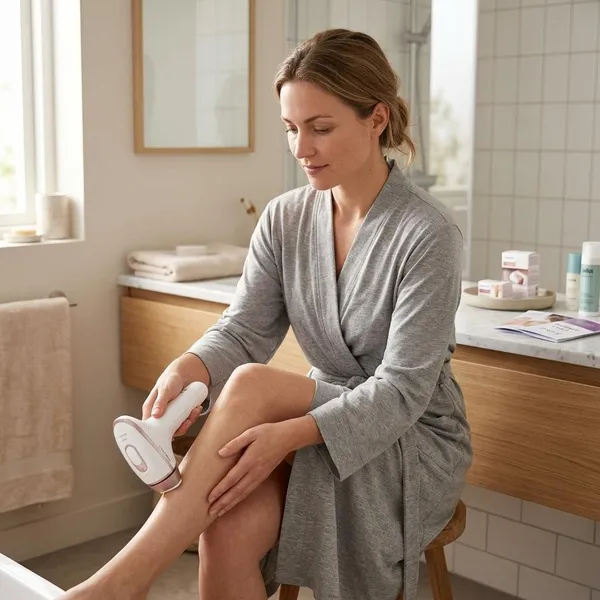
Pick a range before browsing: under $150, $150 to $350, or $350 and above. This prevents the common mistake of slowly upgrading yourself into a device that costs twice what you planned.
Use your treatment goal to keep the budget realistic. Occasional small-area use can justify a cheaper device. Long-term use on legs, arms, underarms, and bikini line usually deserves a stronger focus on speed, comfort, and warranty.
Check skin and hair compatibility
This should be the first real checkpoint. Most IPL and home laser devices work best when there is strong contrast between the hair and skin, such as darker hair on lighter or medium skin tones.
- Do not buy if the brand's chart says your skin tone is outside the safe range.
- Be cautious if your hair is blonde, red, gray, or white, because results may be limited.
- Check the exact model rather than assuming all devices from one brand have the same compatibility.
Compare treatment speed
Speed is worth paying for when you are treating large areas. Look for flash interval, glide mode, and the size of the treatment window instead of relying only on phrases like "fast results."
For a summer-only bikini-line routine, a slower model may be perfectly fine. For year-round legs and arms, a faster device can be the feature that keeps the whole plan realistic.
Prioritize useful features
Choose features that solve a real problem for you. Cooling helps if discomfort makes you quit. Attachments help if you need precision. Skin sensors help if you are new to light-based treatment or worried about choosing the wrong setting.
Check warranty and return policy
Always check the warranty and return policy before paying, especially above the $300 mark. Comfort, handling, and ease of use are hard to judge from photos.
A fair return window gives you room to test whether the device feels manageable. A clear warranty protects you if the device stops working after repeated use. If the seller makes both hard to understand, treat that as a warning sign.
Conclusion
The best at-home device is not automatically the cheapest or the most expensive one; it is the one that fits your skin and hair, covers the areas you actually care about, and feels easy enough to use repeatedly. If you are only testing a small area, budget IPL may be enough, but for regular multi-area use, paying more for speed, comfort, and support can be the smarter long-term choice.
FAQS
Is at-home laser cheaper than professional laser?
Usually, yes over time. A home device has one upfront cost, while clinic treatments are charged by session and area, so the savings grow if you treat multiple areas or need touch-ups.
Do home IPL devices have ongoing costs?
Most have very low ongoing costs. Some models may need replacement heads or cartridges, but many are designed for long personal use without regular parts purchases.
Can at-home laser permanently remove hair?
Not reliably in the strict sense. Home devices are better described as long-term hair reduction, and many users still need maintenance sessions.